Selecting the right proximity sensor for an industrial or commercial application is a critical decision that impacts system reliability, efficiency, and cost. Unlike simple component choices, sensor selection requires a nuanced understanding of the operating environment, the target object, and the specific performance requirements of the control system. A poorly chosen sensor can lead to frequent failures, production downtime, and increased maintenance costs. This guide outlines the fundamental factors engineers and system integrators must consider to make an informed and optimal selection.
The first and most decisive step is identifying the sensing technology. The primary types include Inductive, Capacitive, Ultrasonic, and Photoelectric sensors. Inductive sensors are the workhorses of metal detection. They generate an electromagnetic field and detect the eddy current losses caused by a metallic target entering that field. They are robust, contactless, and ideal for detecting ferrous and non-ferrous metals in harsh environments like machine tools or automotive assembly lines. However, they are ineffective for non-metallic materials.
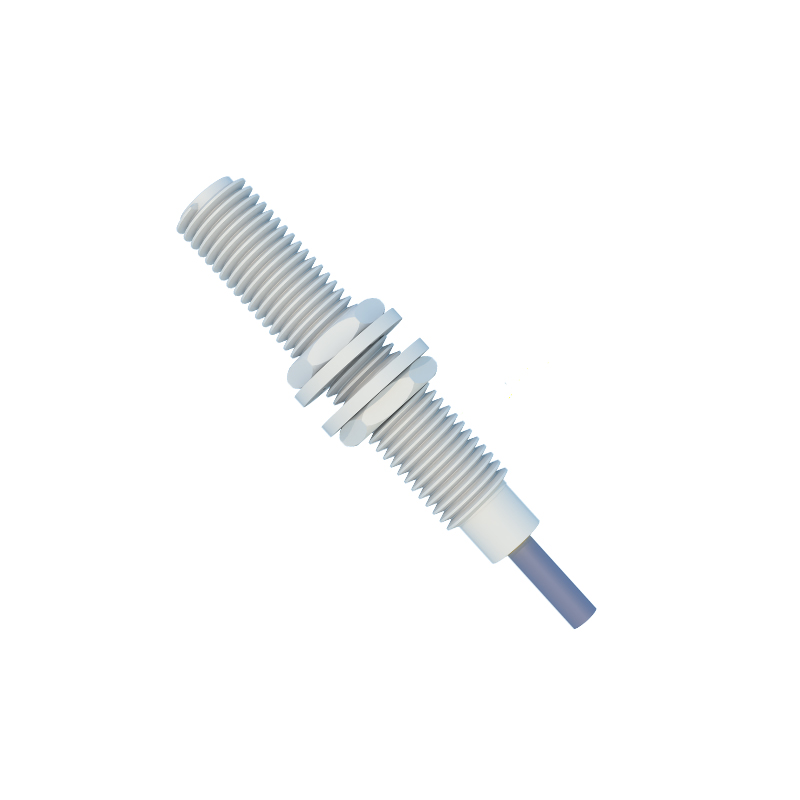
For non-metallic targets such as wood, plastic, glass, liquids, or granular materials, capacitive sensors are the preferred choice. They function by detecting changes in capacitance caused by any material that alters the electrostatic field between the sensor's electrodes. This makes them suitable for level detection in tanks, presence detection of plastic bottles, or monitoring paper thickness. Their sensitivity can be adjusted, but they can be influenced by environmental factors like humidity.
Ultrasonic sensors use sound waves beyond the human hearing range. They measure the time taken for an emitted sound pulse to reflect off a target and return to the receiver. This technology is excellent for precise distance measurement, level sensing of liquids or bulk solids, and detecting objects regardless of their color, transparency, or material composition. They perform well in dusty or foggy conditions where optical sensors might fail but can be affected by temperature gradients and wind.
Photoelectric sensors operate on a light beam, typically infrared, visible red, or laser. They come in three main configurations: through-beam (separate emitter and receiver), retro-reflective (bounces light off a reflector), and diffuse (reflects light directly off the target). They offer long sensing ranges and fast response times and are perfect for detecting small objects, transparent materials, or for applications requiring precise positioning. Their performance can be compromised by dirty lenses, ambient light interference, or highly reflective targets.

After choosing the technology, the physical and electrical specifications demand careful attention. Sensing range, often listed as the "nominal" or "rated" range, is crucial. Always derate this value for reliability, considering factors like target material, size, shape, and temperature. The mounting style—flush, non-flush, or cylindrical—affects the sensor's installation and its immunity to adjacent metal interference. Environmental rating is non-negotiable; an IP67 or IP69K rating is standard for washdown areas in food processing, while NEMA ratings may be required for other industrial settings. Consider resistance to chemicals, oils, and physical impact.
Electrical output type must match the control system input. The classic choices are NPN (sinking) and PNP (sourcing) digital outputs. NPN is common in Asia and some European systems, where the sensor switches the negative (0V) line. PNP, more common in North America and Europe, switches the positive voltage line. Selecting the wrong type will result in an incompatible connection. Also, decide between a normally open (NO) or normally closed (NC) contact logic based on the fail-safe requirements of the application. For analog outputs (4-20mA or 0-10V), ensure the sensor's range and resolution meet the measurement needs.
Finally, never overlook the application context. What is the target material, size, and required sensing distance? What are the ambient conditions—extreme temperatures, presence of dust, moisture, or vibration? What is the required switching frequency or response time for high-speed applications? What is the power supply voltage available? Answering these questions systematically will filter out unsuitable models.
In conclusion, there is no universal "best" proximity sensor. The optimal choice is a balance of technology, specifications, and real-world operating conditions. Investing time in a thorough selection process, consulting detailed datasheets, and potentially testing samples in the actual application environment will prevent costly errors and ensure a robust, long-lasting automation solution. A correctly selected sensor becomes an invisible, reliable component that silently ensures the smooth operation of the entire system.