In the evolving landscape of smart technology and security, outdoor human presence sensors have emerged as a critical component for both residential and commercial properties. Unlike traditional motion detectors that react to any movement, these advanced sensors are specifically designed to distinguish human presence from other environmental factors like animals, swaying trees, or passing vehicles. This precision marks a significant leap forward in outdoor automation and safety.
The core technology behind these sensors varies, offering different strengths. Passive Infrared (PIR) sensors are the most common, detecting the heat signature emitted by the human body. They are cost-effective and reliable for general perimeter security. Microwave sensors, on the other hand, emit microwave pulses and measure the reflection off moving objects. They can cover larger areas and penetrate materials like glass or thin walls, making them suitable for challenging environments. For the highest accuracy, dual-technology sensors combine PIR and microwave, requiring both sensors to trigger an alert, which drastically reduces false alarms. The latest advancements include radar-based sensors and low-resolution thermal imaging cameras, which provide even finer detection capabilities and can sometimes track movement direction.
The practical applications for outdoor human presence detectors are extensive. For home security, they form an invisible shield around a property. When integrated with smart lighting systems, they can illuminate pathways, driveways, and entry points the moment a person approaches, deterring potential intruders and providing safe passage for residents. This seamless activation also contributes to energy efficiency, as lights operate only when needed. Beyond security, these sensors enhance convenience and ambiance. They can trigger landscape lighting for evening gatherings, alert homeowners to visitors at the gate, or even pause an automated sprinkler system when someone is in the yard.
For commercial use, the benefits scale considerably. They manage facility lighting in parking lots and loading docks, improving safety while cutting energy costs. They can activate surveillance camera recording only upon human detection, saving storage space and review time. In smart city applications, they help monitor foot traffic in public spaces while maintaining privacy, as they detect presence without capturing identifiable images.
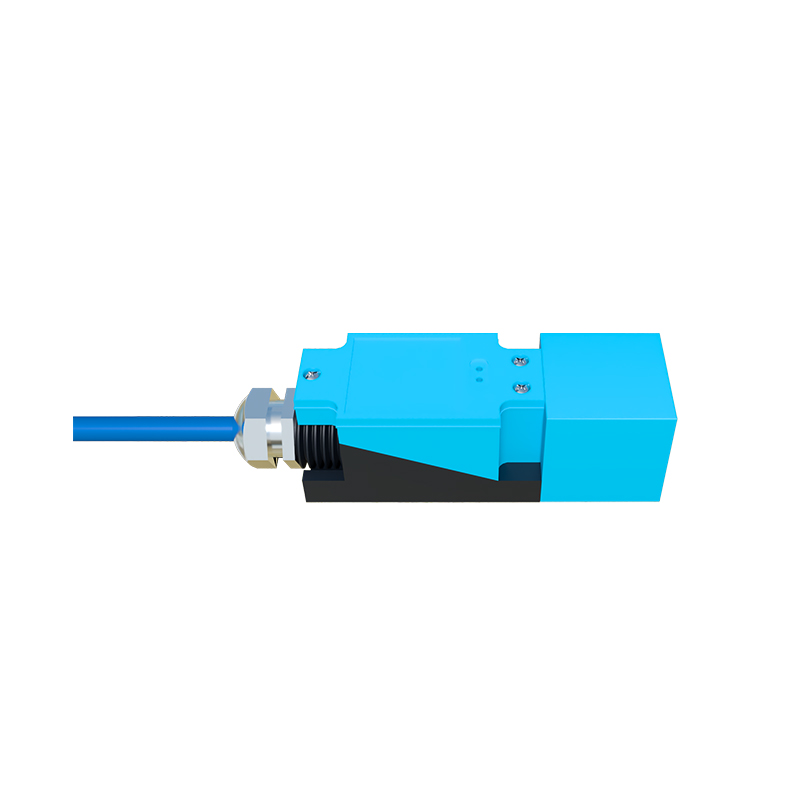
Choosing the right sensor requires careful consideration of several factors. The detection range and coverage angle must match the area you intend to monitor. Consider the sensor’s immunity to false triggers from pets, wildlife, and environmental elements like rain, wind, or extreme temperatures—look for models with pet immunity ratings and robust weatherproof (IP65 or higher) housings. Power options are also key; while wired sensors offer constant power, battery-operated or solar-powered units provide easier, more flexible installation. Finally, compatibility is crucial. Ensure the sensor can integrate smoothly with your existing or planned smart home ecosystem (like Google Home, Amazon Alexa, or Apple HomeKit) or professional security panel for centralized control.
Installation best practices are vital for optimal performance. Mount sensors at the recommended height, typically between 6 to 10 feet, to cover the desired zone effectively. Avoid pointing them directly at heat sources like exhaust vents or reflective surfaces that could cause interference. Position them to cover likely approach paths, such as walkways and potential entry points, rather than open fields where swaying vegetation might cause issues. Regular maintenance, such as cleaning the lens from spider webs, dust, and debris, ensures consistent reliability.
The future of outdoor human presence sensing is intelligent and integrated. We are moving towards systems that not only detect presence but also analyze patterns, learn routines, and become part of a larger, predictive automation network. Imagine a system that recognizes the family car arriving home and triggers a unique lighting sequence, while ignoring the daily mail delivery person. This level of contextual awareness is the next frontier.
In conclusion, outdoor human presence sensors are far more than simple motion switches. They are sophisticated tools that provide security, efficiency, and convenience. By accurately discerning human activity, they empower homeowners and businesses to create smarter, safer, and more responsive outdoor environments. Investing in the right sensor and installing it correctly transforms a passive property into an intelligent, aware space.