Proximity sensors are ubiquitous yet often invisible components that silently enhance our daily interactions with technology and drive efficiency in industrial settings. Unlike many flashy tech features, their presence is felt through their function, not their form. Understanding where these sensors are located provides a fascinating glimpse into the seamless automation of the modern world.
Let's start with the device most people carry every day: the smartphone. The primary proximity sensor in a phone is typically a small, circular component located near the earpiece at the top of the screen. Its job is deceptively simple. During a phone call, when you bring the device close to your ear, the sensor detects this proximity and immediately turns off the touchscreen display. This prevents accidental cheek-presses from muting the call, hanging up, or activating other functions. Once you move the phone away, the screen instantly lights up again, ready for use. This small sensor is a cornerstone of the basic phone call experience.
Moving to personal computing, many modern laptops incorporate proximity sensors to enable features like "wake-on-approach." A sensor, often embedded in the bezel around the screen or near the keyboard, detects when a user is near. This can trigger the system to wake from sleep mode, ready for login, or activate facial recognition for Windows Hello or similar systems. It creates a more responsive and personal interaction with the machine.
In the home, proximity sensors are key players in convenience and hygiene. Automatic faucets in public and increasingly in residential bathrooms use infrared or capacitive proximity sensors, usually located within the faucet's spout or base. They detect hands underneath and control the water flow, conserving water and reducing touchpoints. Similarly, automatic soap dispensers, paper towel dispensers, and touchless trash can lids all rely on a sensor, typically a small dark window on the front of the unit, to detect motion or presence and activate.
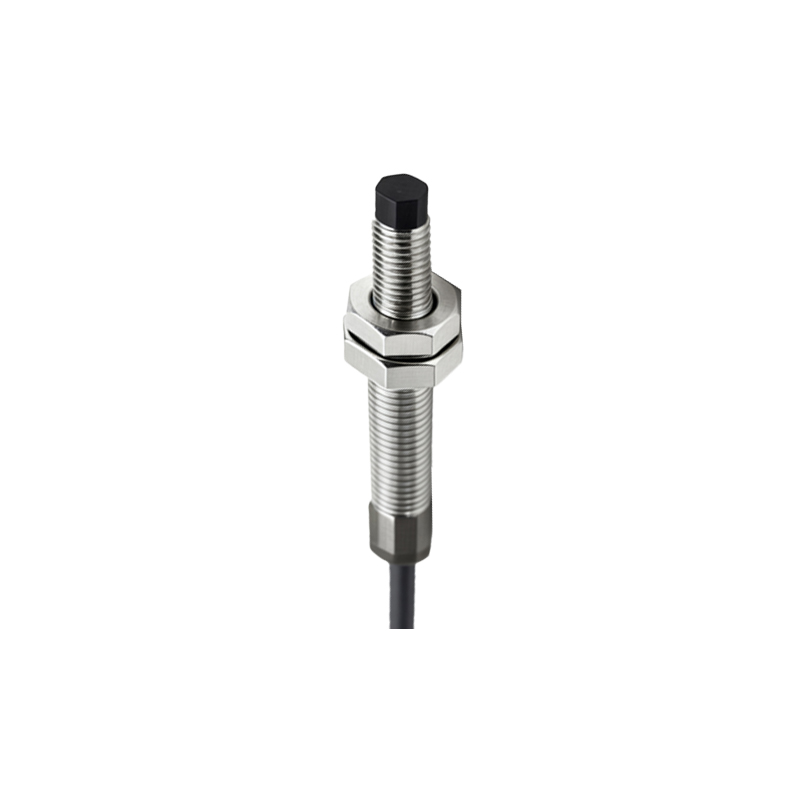
The automotive industry is a major adopter of proximity sensing technology. Modern vehicles are equipped with multiple systems:
Parking Assistance: Ultrasonic proximity sensors are embedded in the front and rear bumpers. These are the small, round discs you see. They emit sound waves to measure the distance to obstacles, providing the audible beeps or visual displays that guide parking.
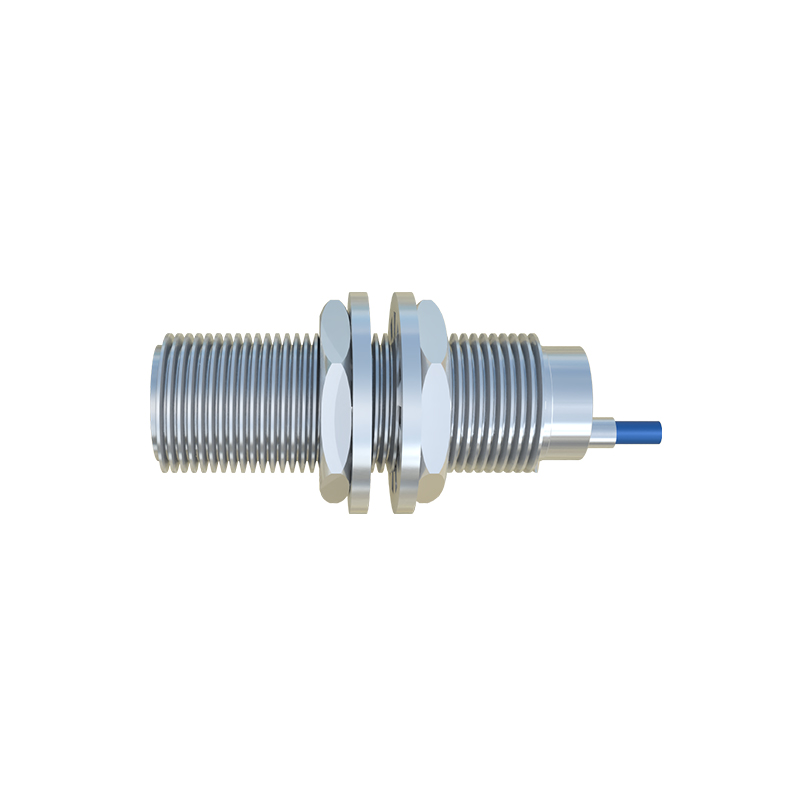
Blind-Spot Monitoring (BSM): Radar or ultrasonic sensors for BSM are usually located in the rear corners of the vehicle, behind the bumper covers or within the tail lights, scanning adjacent lanes.
Automatic Liftgates: A sensor, often under the rear bumper, detects a kicking motion (when your hands are full) to open the trunk automatically.
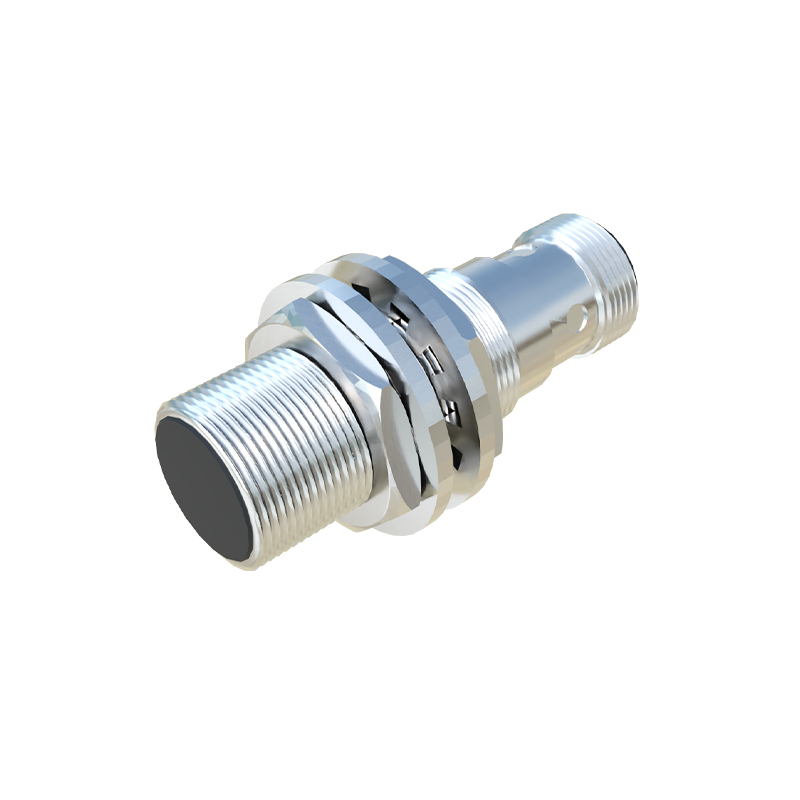
Keyless Entry/Start: The vehicle uses radio frequency (RF) proximity detection to sense when the key fob is nearby, allowing doors to unlock and the engine to start with a button press.
In retail and public spaces, automatic sliding doors are the most classic example. A motion detection sensor (often a microwave or passive infrared sensor) is mounted on the door frame above, detecting movement in its field of view to trigger the door's opening mechanism. Many modern elevators also use touchless call panels with proximity sensors behind the button surface.
The industrial and manufacturing world is where proximity sensors truly showcase their robustness and precision. Here, they are not for convenience but for critical control, safety, and measurement. You will find them in several key locations on factory floors and assembly lines:
On Robotic Arms: Sensors are mounted at the "wrist" or gripper of robotic arms to detect the presence, absence, or correct positioning of a part before picking it up or performing an operation.
Along Conveyor Belts: Inductive or photoelectric sensors are positioned along conveyor lines to count objects, verify part placement, or trigger sorting mechanisms when an item passes by.
Inside Machinery: Capacitive or inductive sensors are used for non-contact liquid level detection in tanks or to monitor the position of moving parts within a machine, such as a piston or valve.
At Safety Perimeters: Safety light curtains, which are arrays of photoelectric sensors, create an invisible barrier around dangerous machinery. If the beam is broken by a person or object, the machine immediately halts.
In essence, proximity sensors are hidden facilitators. They are located at the precise point where an interaction needs to be detected—whether it's a face near a screen, a hand under a faucet, a car near a wall, or a widget on a conveyor belt. Their placement is always strategic, designed to sense a specific target without obstruction. From the palm of your hand to the heart of a factory, these unassuming components work continuously to bridge the gap between the physical world and automated response, making technology more intuitive, efficient, and safe.