In modern industrial environments, the demand for precise, reliable, and durable sensing technology is paramount. Takex proximity sensors have established themselves as a trusted solution in this domain, offering a range of products designed to meet diverse application needs. These sensors are non-contact devices that detect the presence or absence of an object within a specified range, playing a critical role in automation, safety systems, and process control.
The core technology behind Takex proximity sensors often involves inductive, capacitive, or photoelectric principles. Inductive sensors, for instance, are ideal for detecting metallic objects. They generate an electromagnetic field and react to changes caused by a metal target entering the field. This makes them exceptionally suitable for harsh industrial settings where dust, oil, or moisture might be present, as they are typically housed in robust, sealed casings. Capacitive sensors, on the other hand, can detect both metallic and non-metallic materials, including liquids, powders, and plastics, by sensing changes in capacitance. Photoelectric sensors use a light beam to detect objects, offering longer sensing distances and versatility for various surface types.
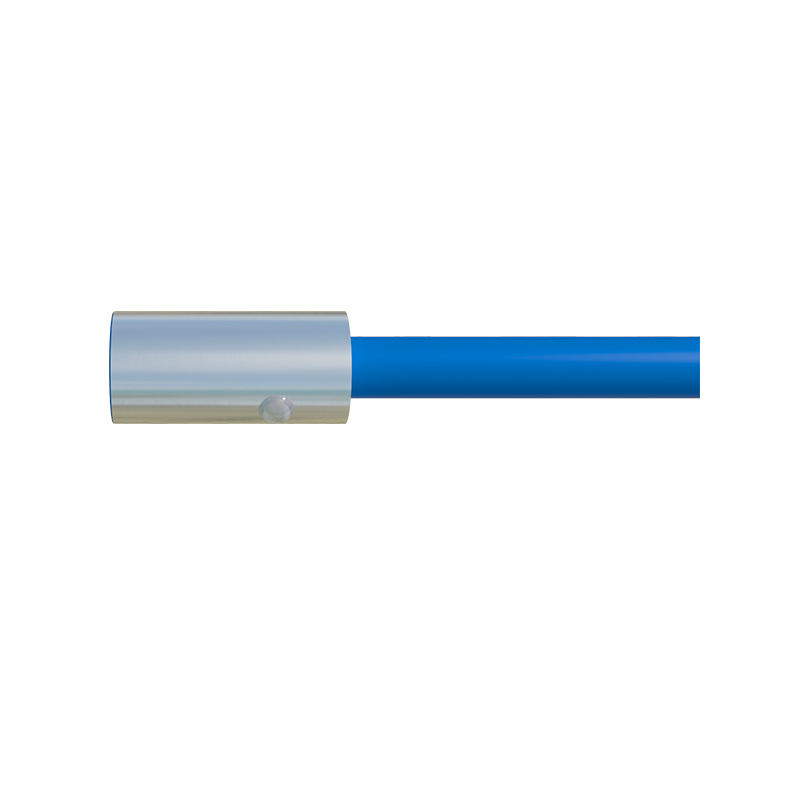
One of the standout features of Takex sensors is their reliability. Engineered for continuous operation in demanding conditions, they exhibit high resistance to environmental interference such as electrical noise, vibration, and temperature fluctuations. This reliability translates directly into reduced downtime and maintenance costs for manufacturing lines, packaging systems, and material handling equipment. The sensors are known for their consistent performance, ensuring that automated processes run smoothly without false triggers or missed detections.
Installation and integration are straightforward with Takex proximity sensors. Many models come with standardized housing designs and connection methods, compatible with common industrial control systems like PLCs (Programmable Logic Controllers). Adjustable sensing ranges and sensitivity settings allow for fine-tuning on-site, providing flexibility for different operational requirements. Whether used for simple tasks like counting objects on a conveyor belt or complex functions like precise positioning in robotic arms, these sensors deliver accurate feedback crucial for system logic.
The application spectrum for Takex proximity sensors is vast. In automotive manufacturing, they ensure components are correctly positioned for assembly. In food and beverage processing, capacitive sensors monitor liquid levels in tanks, while photoelectric types verify label placement on bottles. Logistics and warehousing utilize them for parcel sorting and palletizing. Furthermore, their role in safety cannot be overstated; they are integral to machine guarding systems, preventing access to hazardous areas during operation, thereby protecting personnel and equipment.
When selecting a Takex proximity sensor, key factors to consider include the sensing distance, target material, output type (e.g., NPN or PNP), and environmental rating (such as IP67 for dust and water resistance). Proper selection ensures optimal performance and longevity. Regular maintenance, though minimal, involves keeping the sensing face clean and checking for physical damage or loose wiring.
In conclusion, Takex proximity sensors represent a blend of robust engineering and practical design. Their ability to provide accurate, non-contact detection in challenging environments makes them a cornerstone of industrial automation. By enhancing efficiency, safety, and control, these sensors contribute significantly to the advancement of smart manufacturing and operational excellence across various sectors. As industries continue to evolve towards greater automation and connectivity, the dependable performance of Takex sensing solutions remains a valuable asset for engineers and system integrators worldwide.