In today's interconnected world, proximity sensing technology has become a cornerstone of modern electronics. Universal proximity sensor modules stand out as versatile components that enable devices to detect the presence or absence of objects within a specified range without physical contact. These modules are integral to countless applications, from consumer electronics to industrial automation, offering reliability and efficiency in diverse environments.
A universal proximity sensor module typically consists of a sensor element, signal conditioning circuitry, and an output interface. The sensor element, often based on infrared (IR), ultrasonic, capacitive, or inductive principles, detects changes in the environment. For instance, IR sensors emit infrared light and measure its reflection, while ultrasonic sensors use sound waves to gauge distance. The conditioning circuitry processes raw signals, filtering noise and converting them into readable data, which is then transmitted via interfaces like digital outputs (e.g., GPIO), analog outputs, or communication protocols such as I2C or UART. This modular design allows for easy integration into various systems, making them adaptable for hobbyists, engineers, and manufacturers alike.
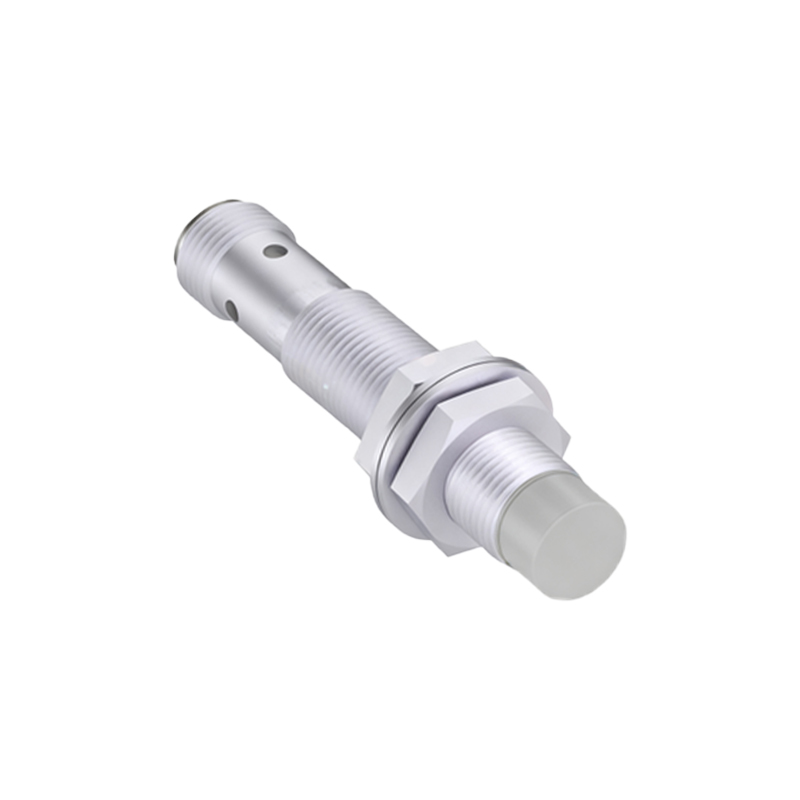
The applications of universal proximity sensor modules are vast and growing. In smartphones, they enable features like automatic screen dimming during calls to save power. In automotive systems, they assist in parking assistance and collision avoidance. Industrial settings leverage these modules for object detection on assembly lines, inventory management, and safety mechanisms in machinery. Home automation benefits from proximity sensors in smart lighting, touchless faucets, and security systems. Their ability to operate in harsh conditions—such as extreme temperatures or dusty environments—further enhances their utility across sectors.
When selecting a universal proximity sensor module, key factors include detection range, accuracy, response time, power consumption, and environmental robustness. For example, ultrasonic modules excel in longer-range detection (up to several meters) with moderate accuracy, while capacitive sensors are ideal for short-range, high-precision tasks like touch sensing. Inductive sensors, which detect metallic objects, are preferred in manufacturing due to their durability. It's crucial to match the module's specifications with the intended use case to ensure optimal performance. Additionally, consider compatibility with microcontrollers like Arduino or Raspberry Pi, as many modules are designed for plug-and-play functionality in DIY projects.
Installation and calibration are straightforward but require attention to detail. Mount the sensor in a stable position, free from obstructions that could cause false triggers. Adjust sensitivity settings through potentiometers or software commands to fine-tune detection thresholds. Regular maintenance, such as cleaning lens surfaces for IR sensors, ensures longevity. For developers, open-source libraries and community support simplify programming, enabling rapid prototyping and customization.
Looking ahead, advancements in miniaturization and energy efficiency are driving innovation in proximity sensing. Integration with IoT platforms and AI algorithms allows for smarter, context-aware systems. Universal proximity sensor modules will continue to evolve, offering enhanced features like multi-object detection and wireless connectivity. As technology progresses, these modules will play a pivotal role in shaping the future of automation, robotics, and smart devices, making our interactions with machines more seamless and intuitive.
In summary, universal proximity sensor modules are essential tools that bridge the physical and digital worlds. Their flexibility, reliability, and ease of use make them invaluable for both simple projects and complex industrial solutions. By understanding their principles and applications, users can harness their full potential to create innovative, efficient systems that respond intelligently to their surroundings.