In today's rapidly evolving industrial and consumer electronics landscape, the demand for reliable, durable, and safe sensing solutions has never been higher. Among these, water proximity sensors represent a critical technology, enabling a wide range of applications from leak detection and flood prevention to liquid level control in appliances and industrial processes. The supply chain for these specialized components is a complex ecosystem, influenced by technological advancements, material science, and stringent global standards.
A water proximity sensor, fundamentally, is a device designed to detect the presence or absence of water or other conductive liquids without physical contact. Common operating principles include capacitive sensing, optical sensing, and conductive sensing. Capacitive sensors, for instance, detect changes in capacitance caused by the presence of a liquid, making them ideal for non-invasive detection through non-metallic barriers. The efficacy of these sensors hinges on precise engineering to ensure sensitivity, stability, and immunity to environmental interference such as humidity or condensation.
The global supply of these sensors is driven by several key sectors. The home appliance industry is a major consumer, integrating sensors into washing machines, dishwashers, coffee makers, and water dispensers for level control and overflow protection. The automotive sector utilizes them for leak detection in battery compartments of electric vehicles or for fluid level monitoring. Industrial automation relies on robust sensors for process control, cooling systems, and wastewater management. Furthermore, the growing focus on smart infrastructure and building management systems has spurred demand for sensors used in data center cooling, HVAC systems, and smart home flood alarms.
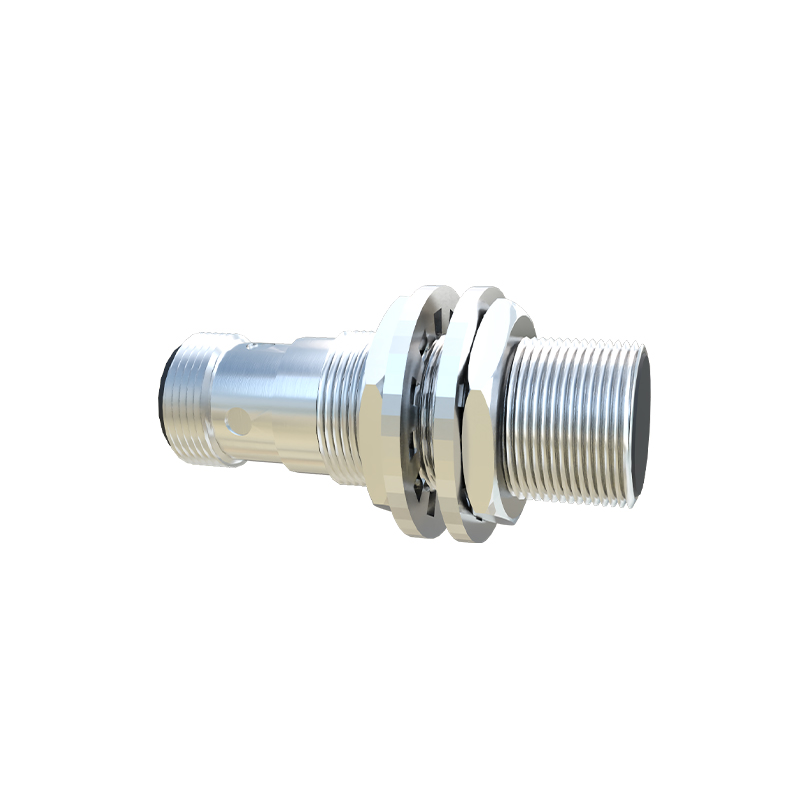
When evaluating suppliers for water proximity sensors, several technical and commercial factors are paramount. First is performance specification: detection range, response time, operating voltage, and output type (digital or analog). The sensor's housing material and ingress protection (IP) rating are crucial, as they determine the device's ability to withstand direct exposure, splashes, or even temporary submersion. Suppliers must provide components with high IP ratings (e.g., IP67, IP68) for demanding environments.
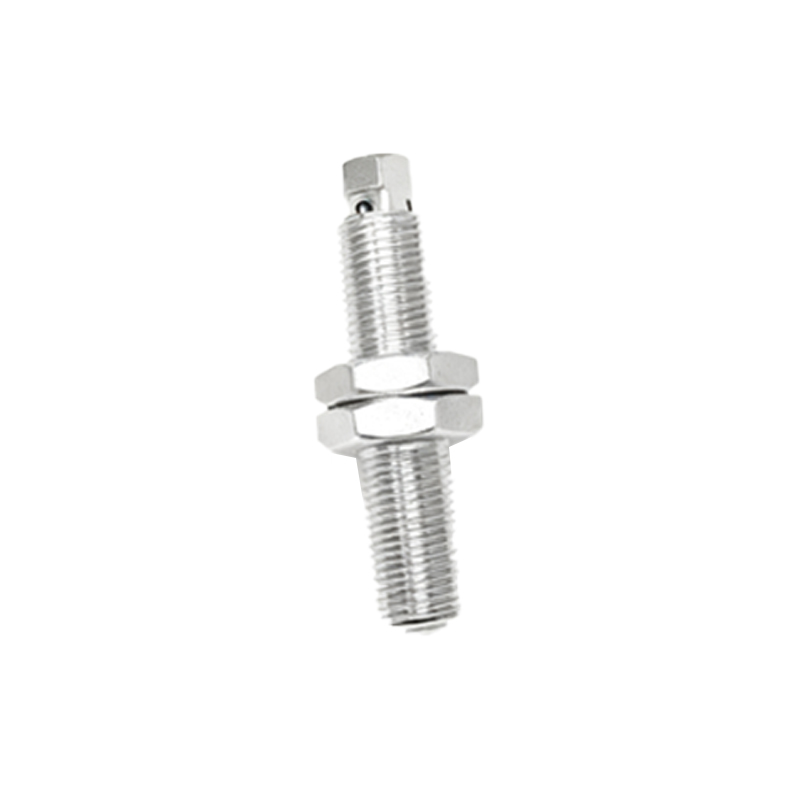
Second is reliability and longevity. High-quality sensors are designed to resist corrosion, mineral buildup, and chemical degradation from various liquids. Suppliers with rigorous testing protocols, including accelerated life testing and environmental stress screening, offer greater assurance of product durability. Consistency in manufacturing is key to ensuring every unit performs to specification.
Third is customization and integration support. Off-the-shelf solutions may not suffice for specialized applications. Leading suppliers often provide engineering support to tailor sensor parameters, housing design, cable lengths, and connector types to fit specific OEM requirements. The ability to seamlessly integrate the sensor with a customer's control board or PLC system is a significant value-add.
The supply market is characterized by a mix of large multinational electronics manufacturers and specialized sensor technology firms. While large manufacturers offer economies of scale and broad component portfolios, niche specialists often lead in innovation, offering higher sensitivity, lower power consumption, or unique form factors. Geographic diversification of supply sources has also become a strategic consideration for OEMs, aiming to mitigate risks associated with regional disruptions.
Cost considerations extend beyond the unit price. Total cost of ownership includes factors like installation complexity, maintenance needs, and the potential cost of sensor failure in the application. A marginally cheaper sensor that fails prematurely can lead to significant downstream expenses in warranty claims, system downtime, and brand reputation damage. Therefore, partnerships with reputable suppliers who prioritize quality and offer strong technical documentation and support are generally more valuable in the long term.
Looking ahead, trends in the water proximity sensor supply chain point toward miniaturization, enhanced intelligence, and connectivity. The integration of IoT capabilities allows sensors to not only detect presence but also communicate data for predictive maintenance and system analytics. Advances in materials, such as hydrophobic coatings, are improving sensor reliability in harsh conditions. As sustainability concerns grow, suppliers are also focusing on developing sensors with reduced environmental impact through recyclable materials and energy-efficient designs.
In conclusion, sourcing water proximity sensors requires a balanced approach that weighs technical performance, environmental robustness, supplier reliability, and total lifecycle cost. Engaging with suppliers who demonstrate deep application knowledge, proven quality control, and a commitment to innovation is essential for developing products that are safe, efficient, and competitive in the global market. The right sensor, reliably supplied, is a small component that can prevent large-scale failures and enable smarter, more responsive systems across countless industries.