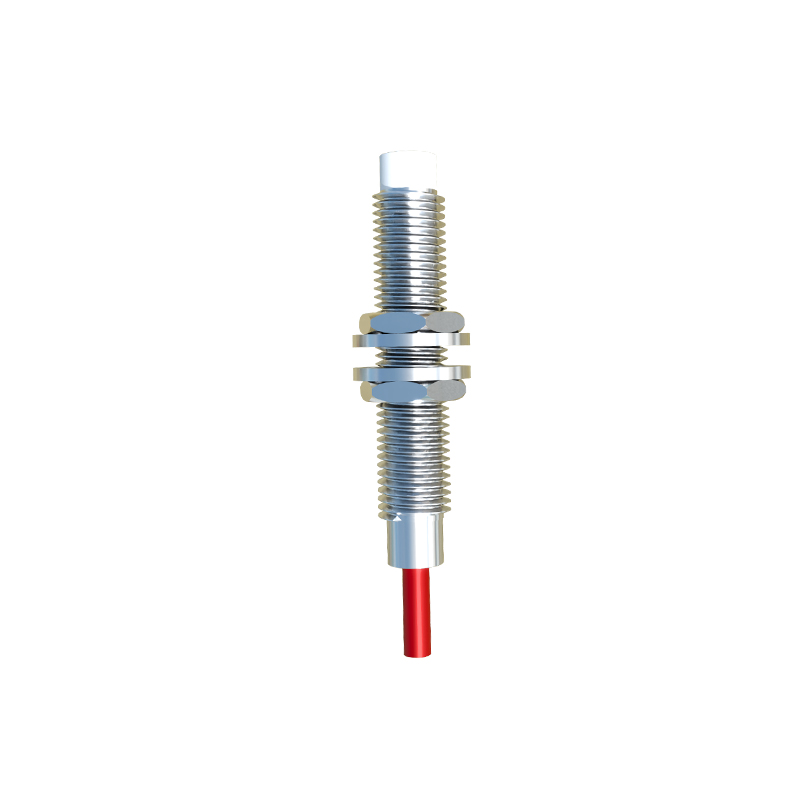
In the world of industrial automation, consumer electronics, and safety systems, proximity sensors are indispensable components. They detect the presence or absence of an object within a specific range without any physical contact. This non-contact operation is their key advantage, leading to high reliability, long service life, and minimal maintenance. Understanding the commonly used types and their principles is crucial for selecting the right sensor for any application.
Among the most prevalent types are inductive proximity sensors. These sensors generate an electromagnetic field. When a metallic object enters this field, it induces eddy currents within the object, which in turn cause a change in the sensor's oscillation amplitude. This change is detected, triggering an output signal. Inductive sensors are highly robust, excel in harsh industrial environments with dust, oil, or moisture, and are typically used for detecting metals like steel, aluminum, or copper. Common applications include position sensing in machine tools, detecting metal parts on conveyor belts, and as limit switches in automated machinery.
Capacitive proximity sensors operate on a different principle. They generate an electrostatic field and detect changes in capacitance. Any object, metallic or non-metallic (such as plastic, wood, glass, liquids, or granular materials), that enters the field alters the capacitance. This change is measured to determine the object's presence. This versatility makes capacitive sensors ideal for a wide range of tasks. They are frequently used in level detection for liquids or powders in tanks, material handling for non-metallic items, and touch-sensitive interfaces in consumer devices.
For applications requiring longer detection ranges or the sensing of non-metallic objects where capacitive sensors might be too sensitive to environmental factors, photoelectric sensors are often the go-to choice. These sensors consist of a light emitter (usually an LED) and a receiver. They operate in three main modes. Through-beam sensors have separate emitter and receiver units; an object is detected when it interrupts the light beam. Retro-reflective sensors use a reflector to bounce the light back to the receiver, with detection occurring when the beam is blocked. Diffuse (reflective) sensors have the emitter and receiver in the same housing, detecting light reflected directly off the target object. Photoelectric sensors are excellent for detecting small objects, offer very long ranges, and are used in packaging, material handling, and security systems.
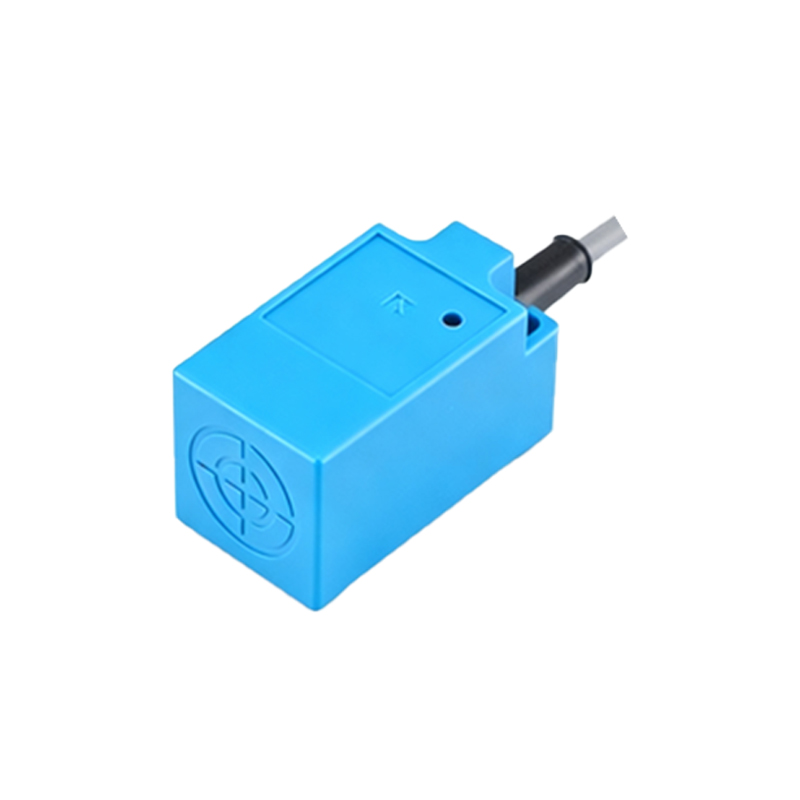
Ultrasonic proximity sensors use high-frequency sound waves. The sensor emits an ultrasonic pulse and then listens for the echo. By calculating the time difference between the emission and the return of the echo, the sensor can determine the distance to an object. This technology is effective for detecting almost any material, solid or liquid, and is largely unaffected by color, transparency, or dust. It is the preferred technology for precise distance measurement, level control in silos, and object detection in challenging environments where other sensors might fail, such as in the presence of heavy smoke or steam.
Magnetic proximity sensors, or reed switches, are simple and cost-effective. They consist of two ferromagnetic reeds sealed in a glass tube. When a permanent magnet approaches, the reeds are magnetized and attract each other, closing the contact. They are highly reliable for detecting the presence of a magnet, often used in door/window security sensors, and for sensing the position of cylinders in pneumatic systems.
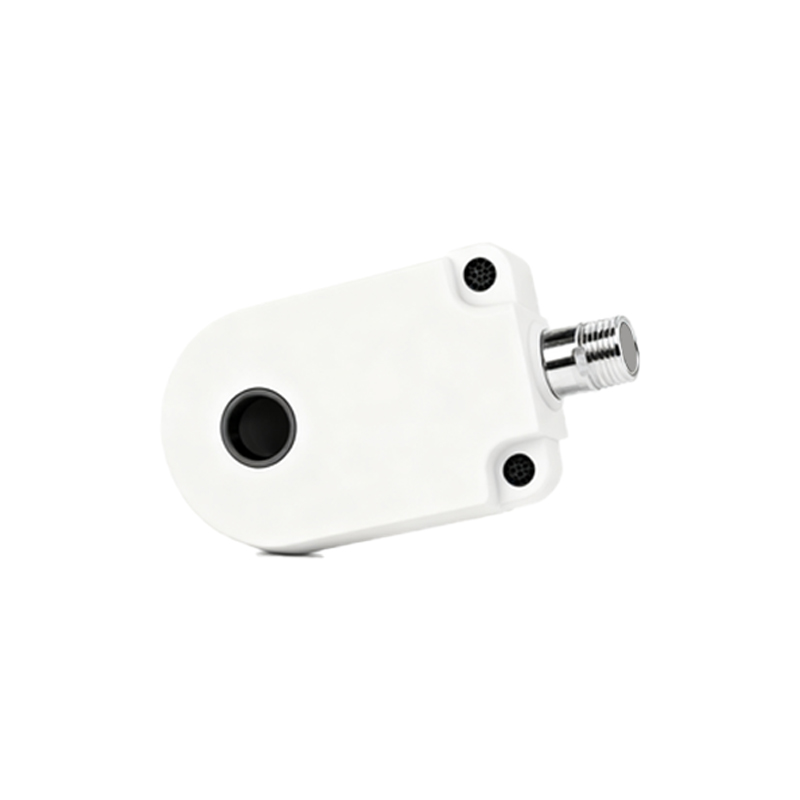
Selecting the appropriate proximity sensor involves careful consideration of several key factors. The target material is primary: inductive for metals, capacitive for nearly anything, photoelectric for most surfaces, and ultrasonic for complex materials. The required sensing distance varies greatly; magnetic sensors work at very short ranges, while ultrasonic and some photoelectric models can detect objects several meters away. The operating environment is critical; sensors must be chosen with suitable ingress protection (IP) ratings for conditions involving water, chemicals, extreme temperatures, or heavy vibration. Finally, the output type—typically NPN (sinking) or PNP (sourcing) for DC sensors, or Normally Open/Normally Closed contacts—must be compatible with the control system's input module (PLC, microcontroller).
In summary, the landscape of proximity sensors offers a tailored solution for nearly every detection challenge. From the metal-specific reliability of inductive sensors to the versatile detection capability of capacitive and ultrasonic types, and the long-range precision of photoelectric models, each technology serves a distinct purpose. A thorough analysis of the application's requirements regarding target, range, environment, and electrical interface is the definitive path to optimal sensor selection, ensuring efficiency, safety, and reliability in any automated system.