In the world of automation, robotics, and modern machinery, the ability to measure speed is fundamental. Speed sensors are the critical components that provide this essential data, enabling precise control, safety, and efficiency across countless industries. Unlike simple on/off switches, these devices translate physical motion into a quantifiable electrical signal, forming the backbone of feedback systems that keep our technology running smoothly and predictably.
At its core, a speed sensor detects the rate of motion—typically rotational or linear—of an object. The working principle often involves detecting the movement of a target, such as a gear tooth, a slotted disk, or a magnetic encoder, and converting each passing event into a pulse. The frequency of these pulses is directly proportional to the speed. This pulse train is then interpreted by a controller, computer, or display unit to calculate revolutions per minute (RPM), meters per second, or other relevant units of velocity.
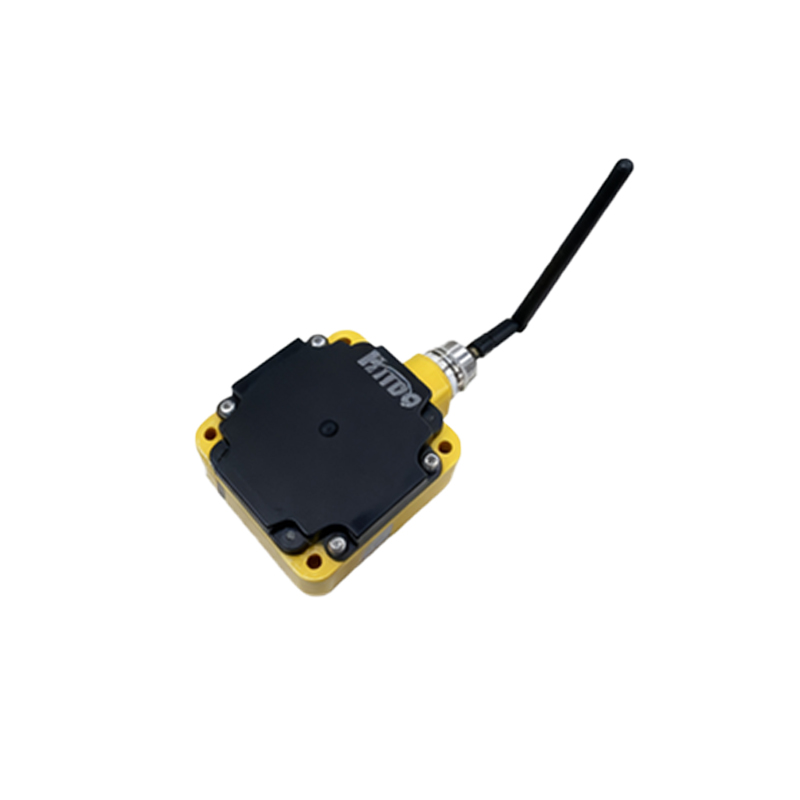
Several key technologies dominate the speed sensor landscape, each with its own advantages and ideal use cases. Magnetic or inductive sensors are among the most common. They consist of a permanent magnet and a coil. When a ferromagnetic target, like a gear tooth, passes close to the sensor, it disrupts the magnetic field, inducing a voltage pulse in the coil. These sensors are robust, contactless, and relatively inexpensive, making them perfect for harsh environments like automotive wheel speed detection or industrial gearbox monitoring.
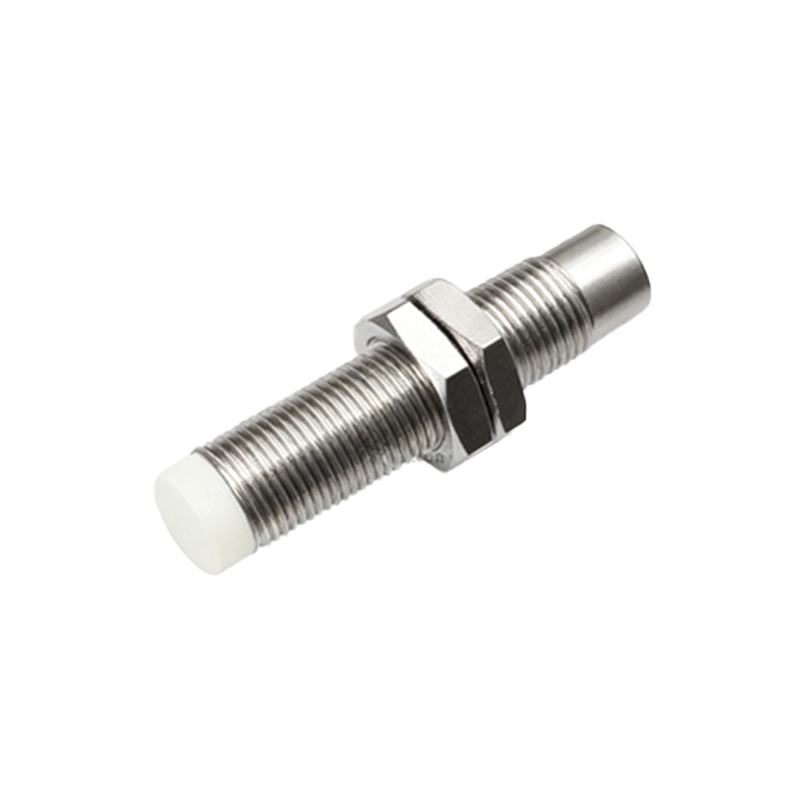
Hall effect sensors represent another major category. They also detect magnetic fields but use a semiconductor element. When a magnetic field is applied perpendicular to the sensor, it generates a voltage difference. By pairing the sensor with a rotating magnet or a magnetic target wheel, it produces a clean digital signal. Hall effect sensors are known for their accuracy at low speeds and are widely used in brushless DC motors, electric vehicle motor controllers, and crankshaft/camshaft position sensing.
Optical encoders offer extremely high resolution and precision. They use a light source (LED) and a photodetector separated by a coded disk with alternating transparent and opaque segments. As the disk rotates, the light beam is interrupted, creating precise pulses. Incremental encoders measure speed and relative position, while absolute encoders provide a unique digital code for each shaft position. These are indispensable in computer numerical control (CNC) machines, precision servo motors, and robotics.
For measuring linear speed directly, technologies like laser Doppler velocimetry provide non-contact, highly accurate measurements by analyzing the frequency shift of light reflected from a moving surface. Tachogenerators are analog devices that output a voltage directly proportional to rotational speed, commonly found in older industrial drives and speedometers.
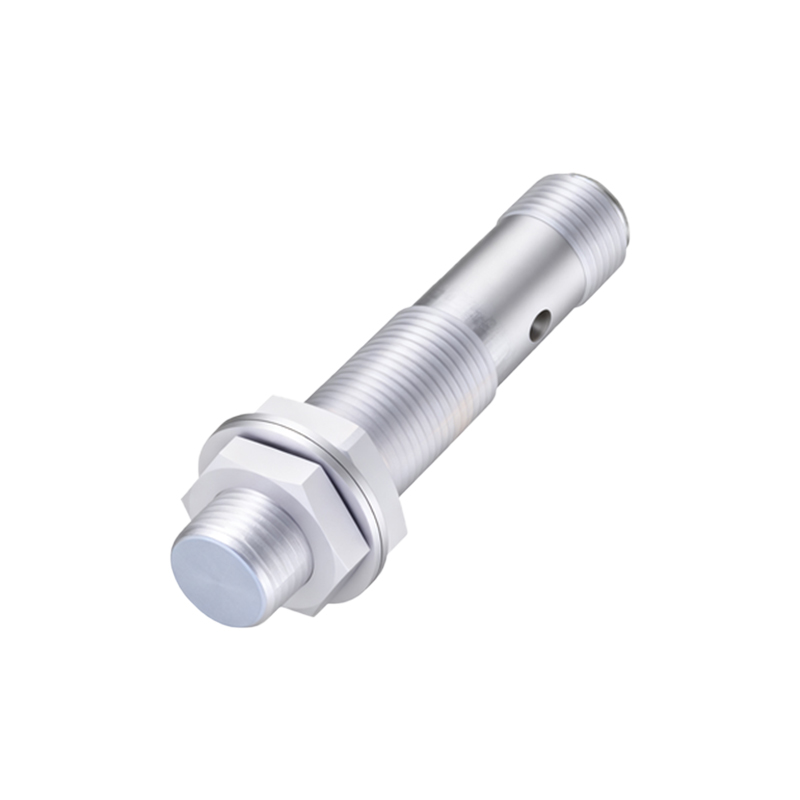
The applications of speed sensors are virtually limitless. In the automotive sector, they are crucial for anti-lock braking systems (ABS), traction control, transmission control, and engine management. Modern vehicles contain dozens of them. In manufacturing, they monitor conveyor belt speeds, spindle RPM on machine tools, and fan/pump performance, preventing downtime through predictive maintenance. Aerospace relies on them for turbine engine monitoring, while consumer electronics use them in hard disk drives and cooling fans.
When selecting a speed sensor, engineers must consider several factors: the required accuracy and resolution, the operating environment (temperature, vibration, contaminants), the target material, the available mounting space, and the output signal type needed (analog voltage, digital pulse, or bus protocol like CAN). For instance, a magnetic sensor might fail in an application with excessive metallic dust, where an optical encoder with proper sealing would be superior.
Installation and alignment are critical for reliable operation. A sensor placed too far from its target may produce weak or inconsistent signals, while misalignment can cause missed pulses. Proper shielding of cables is often necessary to prevent electrical noise from interfering with the signal, especially in industrial settings with large motors and variable frequency drives.
The future of speed sensing continues to evolve with trends towards miniaturization, higher integration, and smarter sensors. Micro-electromechanical systems (MEMS) technology is creating tiny, low-power sensors for consumer devices and IoT applications. Furthermore, sensors with built-in diagnostics and digital communication capabilities (IO-Link, for example) are becoming standard, providing not just speed data but also health status information to control systems, paving the way for Industry 4.0 and more autonomous operations.
In conclusion, speed sensors are the unsung heroes of motion control. From the car you drive to the factory that built it, these devices provide the critical feedback that allows machines to operate with intelligence, safety, and precision. Understanding their principles, types, and applications is key to designing and maintaining the advanced technological systems that define our modern world.