In the intricate dance of modern automation, where machines perform with superhuman speed and accuracy, there exists a silent, unseen class of components that make this precision possible. These are precision proximity sensors, the fundamental guardians that provide the essential sense of "touch" and "sight" to otherwise blind mechanical systems. Far from simple on/off switches, these sophisticated devices are the critical interface between the digital control world and the physical realm of motion, position, and presence.
At their core, precision proximity sensors are non-contact electronic devices designed to detect the presence, absence, or position of an object within a defined sensing range without any physical contact. This non-contact nature is their paramount advantage, eliminating mechanical wear, reducing maintenance, and enabling detection of fragile, hot, or fast-moving objects that would be impossible to sense physically. The term "precision" signifies their ability to perform this detection with exceptionally high repeatability, accuracy, and resolution, often down to micrometer levels, and under challenging industrial conditions involving temperature swings, vibration, and electromagnetic interference.
The operational principle hinges on various physical phenomena, leading to distinct sensor types, each with its optimal application. Inductive proximity sensors are the workhorses for detecting metallic objects. They generate an electromagnetic field; when a metal target enters this field, it causes a change in the field's oscillation, which the sensor's circuitry detects. Renowned for their robustness, they are ideal for harsh environments and are commonly used for counting metal parts, detecting piston position in cylinders, or ensuring a machine door is closed.
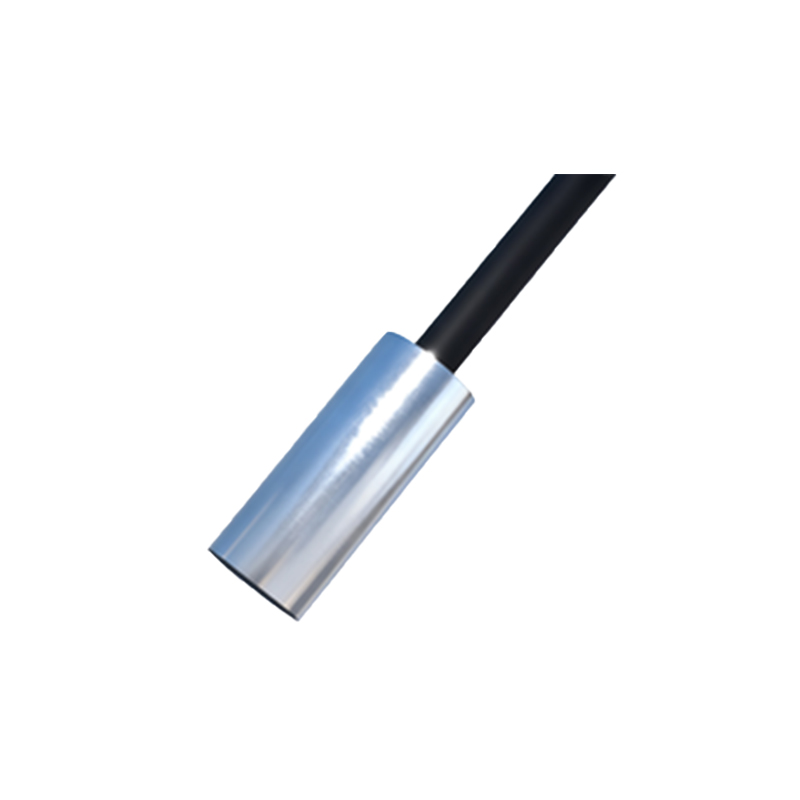
Capacitive proximity sensors, on the other hand, can detect both metallic and non-metallic materials—plastics, wood, liquids, and granules. They function by sensing changes in capacitance caused by the dielectric properties of a target object entering an electrostatic field. This makes them perfect for applications like monitoring fill levels in tanks (detecting liquid through a glass or plastic wall), controlling packaging lines with cardboard boxes, or detecting the presence of wood or plastic components.
For applications requiring the longest sensing distances or detection of any material regardless of color, reflectivity, or composition, photoelectric sensors are the solution. These emit a beam of light (visible red, infrared, or laser) and detect either its reflection from an object (reflective mode), its interruption (through-beam mode), or its reflection off a specialized reflector (retro-reflective mode). They are indispensable in logistics for parcel detection, in automated assembly for verifying component placement, and in safety systems as light curtains.
A more specialized category, magnetic proximity sensors (often Reed switches or Hall-effect sensors), detect the presence of a permanent magnet. They are frequently embedded in pneumatic or hydraulic cylinders to provide a highly reliable and compact end-position signal for the piston, a ubiquitous function in factory automation.
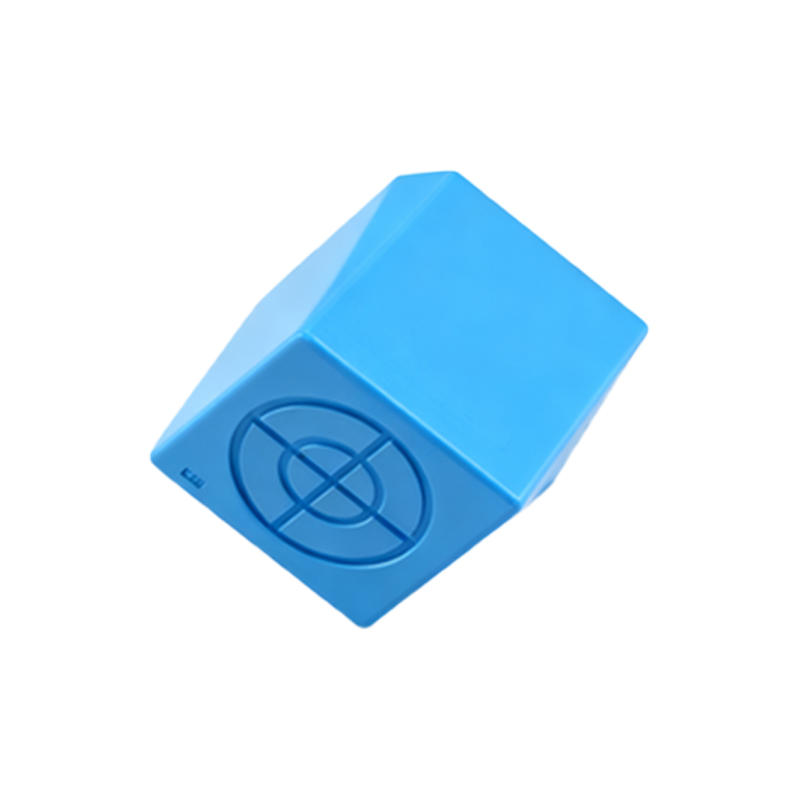
The true value of a precision proximity sensor is not merely in detection but in the quality of the signal it provides and its integration into a larger control ecosystem. Key performance parameters include sensing distance, repeatability (the consistency of detection at the same point), hysteresis (the difference between the switch-on and switch-off points for stability), and response frequency (how quickly it can detect objects passing by). Industrial models are housed in rugged, often stainless steel or nickel-plated brass bodies, with ingress protection (IP) ratings like IP67 or IP69K allowing them to withstand dust, washdowns, and temporary immersion.
Their applications are vast and foundational. In automotive manufacturing, they ensure robotic welders are precisely positioned. In semiconductor fabrication, they guide wafer-handling robots with micron-level accuracy. On packaging lines, they count, inspect, and verify products at high speeds. In collaborative robotics, they provide the essential safety feedback for human-robot interaction. They are the first line of defense in machine safety, forming part of interlock systems that prevent machine operation if a guard door is open.
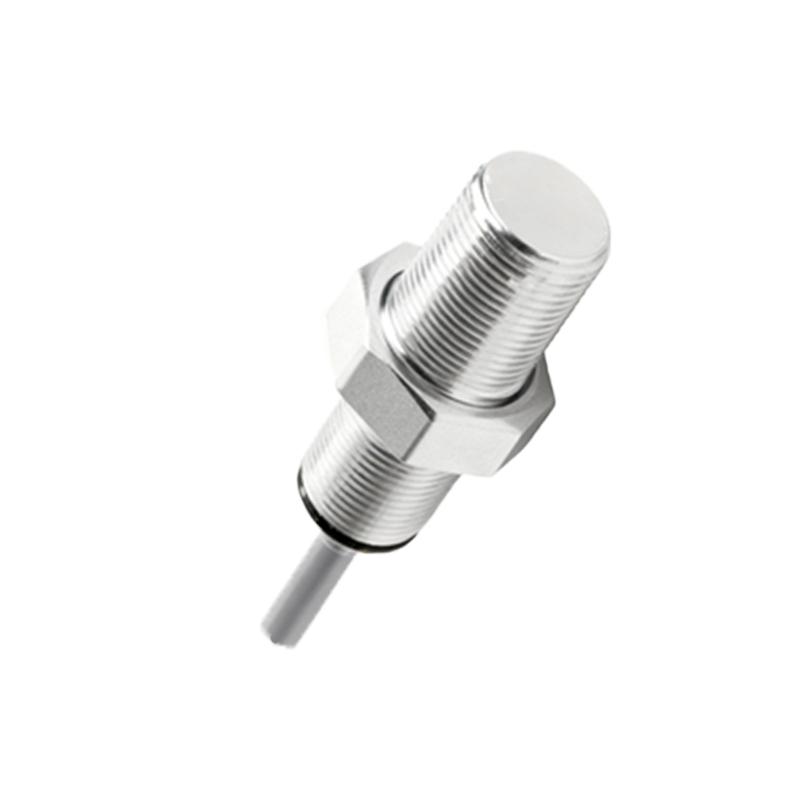
The evolution continues with the integration of smart features. IO-Link, a point-to-point serial communication protocol, is transforming standard sensors into intelligent devices. An IO-Link enabled precision sensor can transmit not just a simple switch signal, but detailed diagnostic data—operating temperature, signal strength, calibration warnings, and more—to the controller. This enables predictive maintenance, where a controller can alert an operator to clean a sensor lens before it fails or recalibrate a drifting unit, maximizing uptime and moving from reactive to proactive operations.
Selecting the right precision proximity sensor requires a careful analysis of the target material, required sensing distance, environmental conditions, electrical requirements, mounting constraints, and the necessary output type (e.g., PNP/NPN, analog, IO-Link). It is a critical engineering decision where the wrong choice can lead to machine downtime, product defects, or safety hazards.
In conclusion, precision proximity sensors are far more than simple switches. They are the essential sensory organs of automated systems