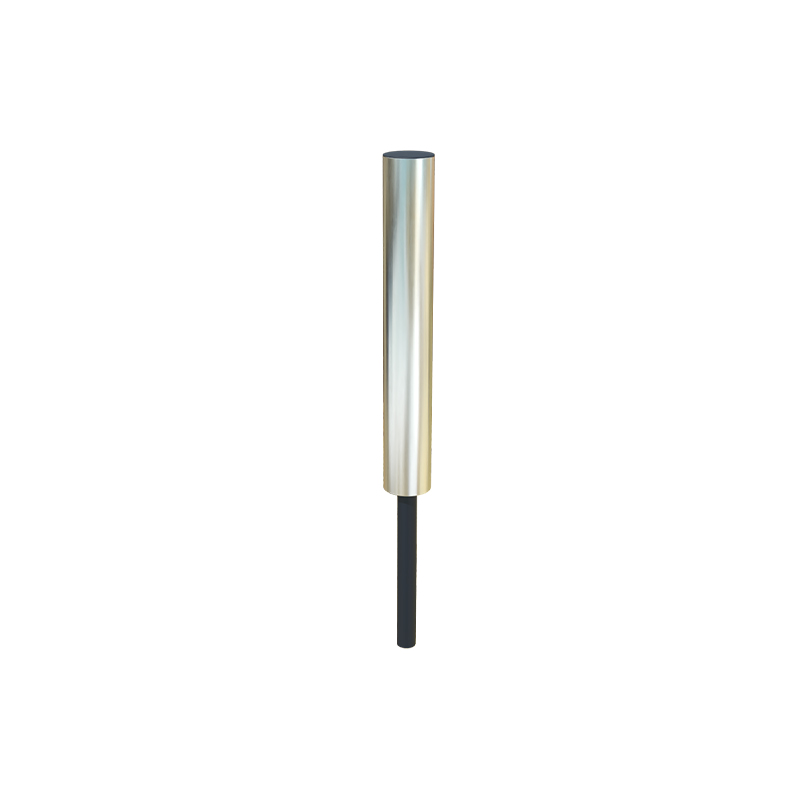
In the realm of industrial automation and smart device integration, the demand for reliable, precise, and compact sensing solutions is ever-growing. Among the diverse array of components available, the Square Proximity Sensor PYJY stands out as a versatile and robust option for a multitude of detection tasks. This article delves into the core characteristics, operational principles, and practical applications of this sensor, providing a clear understanding of its role in modern systems.
The Square Proximity Sensor PYJY is, as its name suggests, characterized by its square housing. This form factor offers distinct advantages in installation and space utilization, particularly in control panels, machinery with limited mounting space, or applications where a low-profile design is essential. Unlike cylindrical sensors, the square shape can provide a more stable mounting surface and easier alignment in certain fixtures. Typically constructed from durable materials like PBT or metal, the PYJY series is designed to withstand challenging industrial environments, including exposure to oil, dust, and minor physical impacts.
At its core, the PYJY sensor operates on the principle of non-contact detection. Most commonly, these sensors are inductive, meaning they generate an electromagnetic field. When a metallic object enters this field, it causes a change in the oscillation amplitude or frequency within the sensor's circuit. This change is detected and converted into a clean electrical output signal, typically a switching signal that can be read by a Programmable Logic Controller (PLC) or other control unit. This method allows for the detection of objects without any physical contact, eliminating mechanical wear and enabling high-speed operation. Some variants in the PYJY family may also utilize capacitive or photoelectric principles for detecting non-metallic objects, but the inductive type remains prevalent for metal detection.
Key technical specifications define the sensor's performance. The sensing range, usually specified in millimeters, indicates the maximum distance at which a standard target can be reliably detected. The PYJY sensors come in various ranges to suit different needs. They are often available in both Normally Open (NO) and Normally Closed (NC) output configurations, providing flexibility in control logic design. The output type is another critical factor, with models offering NPN (sinking) or PNP (sourcing) transistor outputs, as well as analog (4-20mA or 0-10V) or IO-Link versions for more advanced data communication. Operating voltage typically spans from 10-30V DC, making them compatible with standard industrial power supplies. An important feature is the built-in protection against short-circuits, reverse polarity, and overload, which enhances system reliability and longevity.
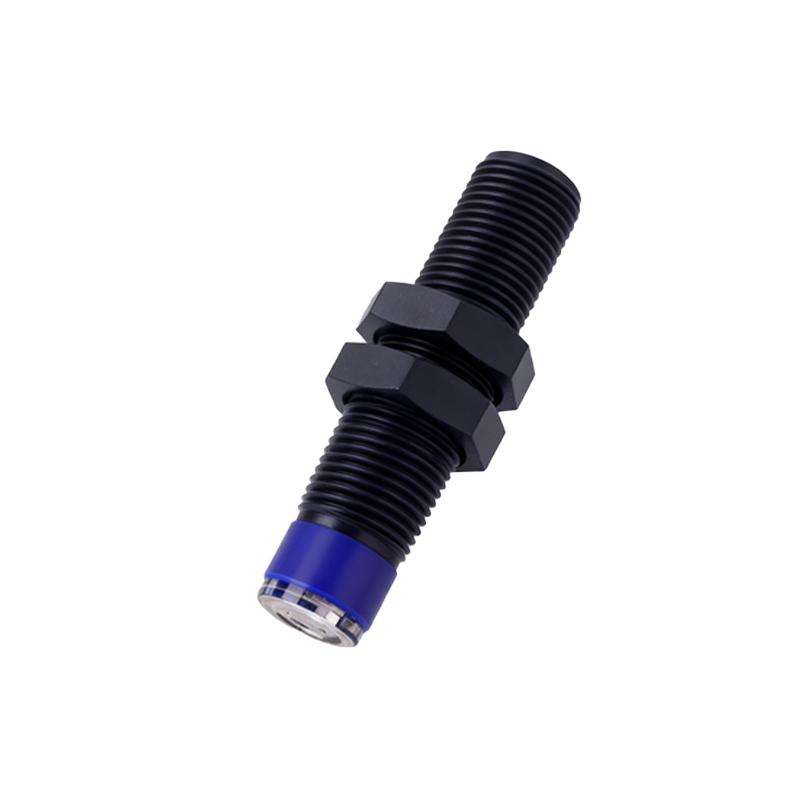
The applications for the Square Proximity Sensor PYJY are extensive across various sectors. In manufacturing and assembly lines, they are indispensable for tasks such as part presence verification, counting, and end-of-travel positioning. For instance, they can confirm if a metal component is correctly seated in a fixture before a robotic arm proceeds to the next operation. In packaging machinery, these sensors monitor the position of metallic parts on conveyors or detect the open/closed status of metal doors and guards for safety interlocking. The automotive industry relies heavily on them for precision positioning in robotic welding and painting cells. Beyond heavy industry, they find use in building automation for elevator floor positioning or in vending machines to detect coin presence.
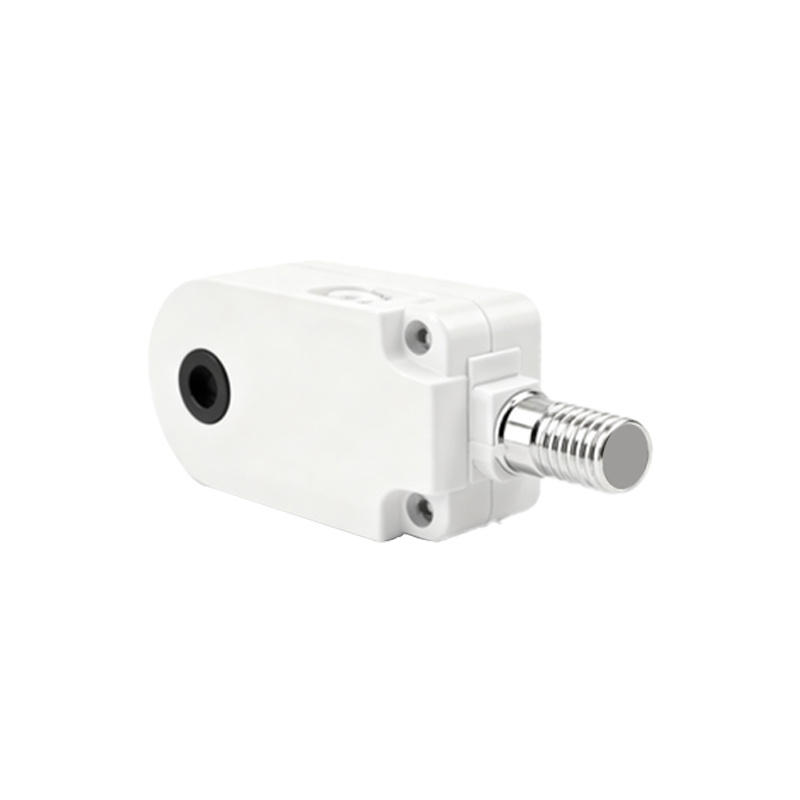
Selecting the right Square Proximity Sensor PYJY for a specific task requires careful consideration of several parameters. The material of the target object is paramount; inductive sensors only detect metals, with different detection efficiencies for steel, aluminum, and copper. The required sensing distance must account for installation tolerances. Environmental conditions like temperature extremes, potential washdowns (requiring high IP ratings like IP67 or IP69K), and exposure to strong electromagnetic interference should guide the choice of housing material and protection rating. Finally, matching the sensor's output type and wiring configuration to the existing control system is essential for seamless integration.
In summary, the Square Proximity Sensor PYJY represents a fundamental building block in automation. Its square design, rugged construction, and reliable non-contact sensing capability make it a go-to solution for engineers and system integrators. By understanding its operating principles, key specifications, and wide-ranging applications, professionals can effectively leverage this sensor to enhance machine efficiency, ensure safety, and enable sophisticated control processes in an increasingly automated world.