In the realm of industrial automation and machinery, the reliable detection of objects is paramount. Among the diverse array of sensing technologies, square hole proximity sensors have carved out a critical niche. These specialized sensors are designed for direct, secure mounting into standardized square openings, offering distinct advantages in various mechanical and structural applications. Unlike their cylindrical counterparts, these sensors integrate seamlessly into frameworks, panels, and machine elements that utilize square profiles, providing a flush and robust installation.
The fundamental operating principle of a square hole proximity sensor aligns with standard inductive or capacitive proximity sensing. Inductive sensors generate an electromagnetic field. When a metallic target enters this field, it causes a change in oscillation, which the sensor detects, triggering an output signal. Capacitive sensors, on the other hand, can detect both metallic and non-metallic materials by sensing changes in capacitance. The defining characteristic of the square hole variant is its housing. Engineered to fit precisely into square cutouts, typically conforming to common industry dimensions, this design eliminates the need for additional mounting brackets or complex fixtures. The housing often features integrated mounting tabs or springs that lock the sensor securely in place, preventing rotation or dislodgement due to vibration—a common challenge in industrial environments.
Selecting the appropriate square hole proximity sensor requires careful consideration of several technical parameters. First, the sensing distance, or operating distance, must be specified. This is the maximum range at which the sensor can reliably detect its target. It is crucial to choose a sensor with a range suitable for the application, accounting for potential tolerances in target positioning. Second, the output type is a key decision point. Common outputs include NPN (sinking) and PNP (sourcing) transistor configurations, as well as analog (4-20mA or 0-10V) and IO-Link digital communication outputs for more advanced data exchange. The choice depends on the electrical interface of the control system, such as a PLC (Programmable Logic Controller).
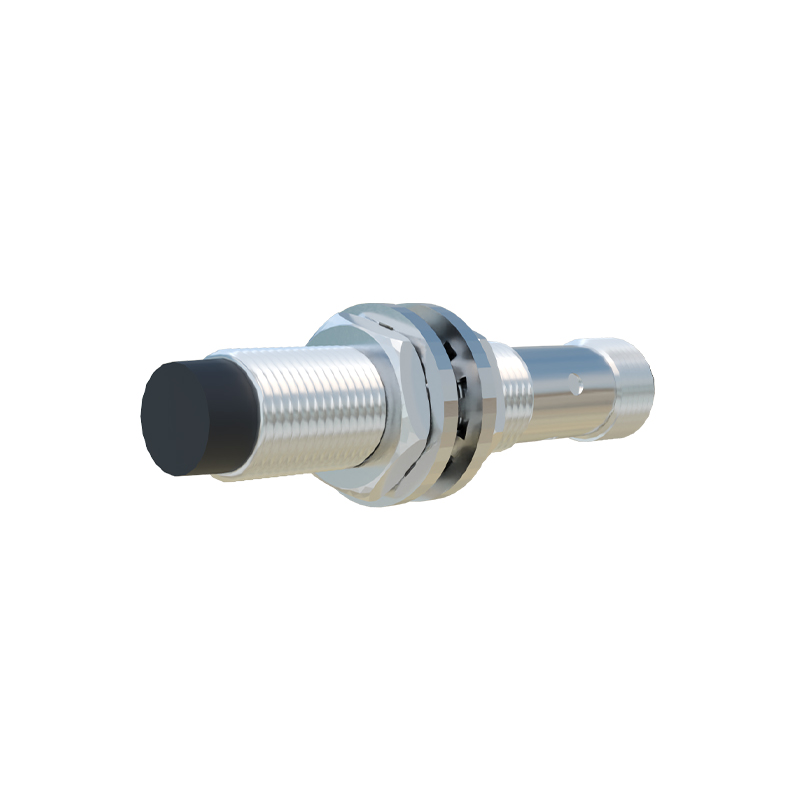
Environmental robustness is non-negotiable. The sensor's Ingress Protection (IP) rating indicates its resistance to dust and liquids. For harsh settings like machining centers or washdown areas in food processing, a high IP rating (e.g., IP67 or IP69K) is essential. The housing material, often stainless steel or ruggedized plastic, must withstand exposure to coolants, oils, and physical impacts. Additionally, the operating temperature range must align with the ambient conditions of the installation site.
The applications for square hole proximity sensors are extensive and vital. They are frequently employed in material handling systems for detecting the presence of pallets, carts, or products on conveyor lines with square-tube frames. In automated assembly stations, they monitor the position of fixtures and tooling heads. Within packaging machinery, they ensure cartons or containers are correctly positioned before sealing or labeling operations. Their secure mounting makes them ideal for mobile equipment and robotics, where constant movement and vibration are present. The flush installation minimizes protrusions, reducing the risk of snagging or accidental damage.
Installation and maintenance practices significantly impact sensor longevity and performance. During installation, ensure the square hole is clean and to specification. Avoid forcing the sensor into place, as this can damage the housing or internal components. Proper alignment with the target is critical; the sensing face should be parallel to the target surface for optimal range. For wiring, always follow the manufacturer's diagram, paying close attention to polarity for DC sensors. Shielding cables in electrically noisy environments can prevent false triggering. Routine maintenance involves periodic cleaning of the sensing face to remove debris, dust, or buildup that could attenuate the sensing field. Regularly checking the mounting security can prevent failures caused by loosening over time.
When troubleshooting a malfunctioning sensor, a systematic approach is best. Begin by verifying the power supply voltage at the sensor terminals. Next, observe the sensor's indicator LED (if equipped) when a target is presented. If the LED responds but the control system does not, the issue likely lies in the wiring or the PLC input. If the LED does not respond, the sensor may be faulty, or the target material/size may be unsuitable. Always consult the sensor's datasheet for specific diagnostic procedures and ensure replacements are of the exact same type and specifications to maintain system integrity.
In conclusion, square hole proximity sensors represent a tailored solution for integration into modern industrial equipment. Their design addresses specific mechanical and reliability challenges, offering a blend of precise detection, durable construction, and simplified installation. By understanding their operating principles, key selection criteria, and best practices for application, engineers and maintenance personnel can leverage these sensors to enhance machine reliability, optimize automated processes, and ensure seamless operation within complex production ecosystems. Their role, though often unseen, is fundamental to the precision and efficiency of contemporary manufacturing and automation.