In today's rapidly evolving technological landscape, proximity sensors have become indispensable components, silently enabling countless functionalities across diverse industries. These non-contact detection devices, which can identify the presence or absence of objects within a defined range, are the unsung heroes of automation, safety, and user interface design. Their applications extend far beyond simple object detection, forming the backbone of sophisticated systems that enhance efficiency, security, and user experience. This article explores several compelling real-world application cases that demonstrate the versatility and critical importance of proximity sensors.
One of the most prominent and widespread applications is in the automotive sector. Modern vehicles are equipped with an array of proximity sensors, primarily ultrasonic and electromagnetic, to create advanced driver-assistance systems (ADAS). Parking assistance systems rely on ultrasonic sensors mounted on bumpers to measure the distance to obstacles. As a driver reverses, these sensors emit high-frequency sound waves and calculate the time for the echo to return, providing audible or visual cues to prevent collisions. Furthermore, blind-spot monitoring systems use radar-based proximity sensors to detect vehicles in adjacent lanes, alerting the driver with indicator lights on the side mirrors. This technology significantly reduces the risk of accidents during lane changes.
The consumer electronics industry is another major beneficiary. The smartphone in your pocket utilizes an infrared or capacitive proximity sensor located near the earpiece. During a phone call, this sensor detects when the phone is held close to your ear and automatically turns off the touchscreen display. This prevents accidental cheek-triggered inputs and conserves battery power. Similarly, many laptops and tablets use proximity sensors to detect when a user is present, waking the device from sleep mode, thereby improving both convenience and energy efficiency. In smart home devices, like automatic soap dispensers or touchless faucets, infrared proximity sensors activate the mechanism when a hand is detected, promoting hygiene and reducing waste.
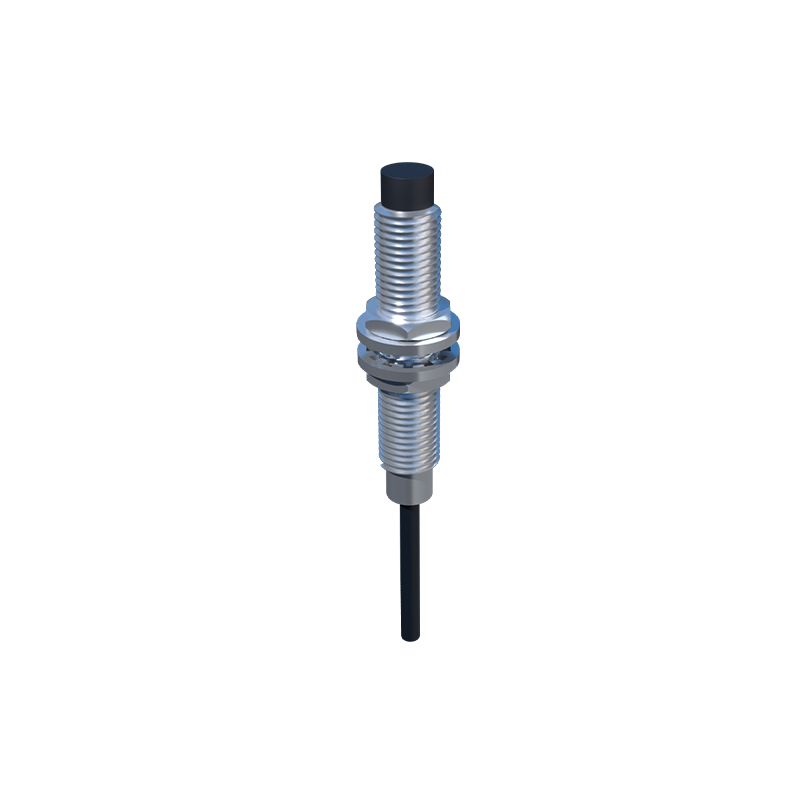
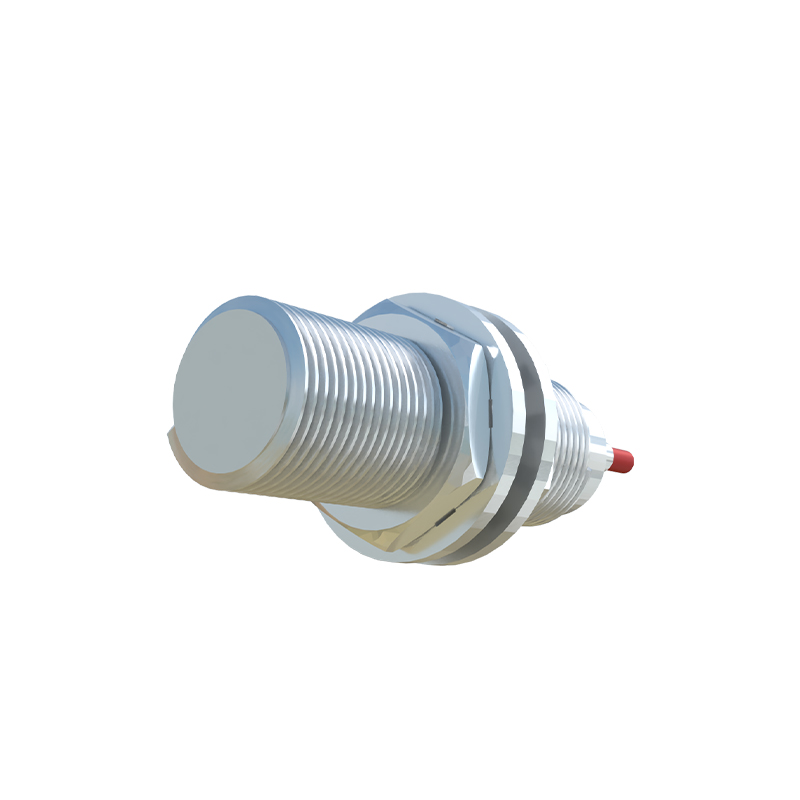
Industrial automation and manufacturing represent a cornerstone of proximity sensor application. Here, reliability, speed, and durability are paramount. Inductive proximity sensors are extensively used on assembly lines to detect the presence of metal parts without physical contact. For instance, they can count products on a conveyor belt, verify if a component is in the correct position for robotic assembly, or act as limit switches to control the movement of machinery. In harsh environments with dust, oil, or vibrations, these robust sensors ensure continuous operation, minimizing downtime and maintaining high production quality. Photoelectric sensors, another type of proximity sensor, are used for detecting non-metallic objects, such as glass bottles or plastic packages, often in packaging and bottling plants.
Security and access control systems heavily depend on proximity sensing technology. Motion-activated lighting in hallways, staircases, or outdoor areas typically employs passive infrared (PIR) sensors. These sensors detect changes in infrared radiation caused by human movement, triggering lights to turn on, which enhances safety and reduces energy consumption. In high-security facilities, microwave or ultrasonic sensors can create an invisible detection field to monitor perimeters for unauthorized intrusion. Additionally, automatic doors in supermarkets, airports, and hospitals use a combination of microwave and infrared sensors to safely open and close as people approach, facilitating smooth traffic flow.
Emerging and innovative applications continue to push the boundaries. In robotics, proximity sensors provide crucial environmental awareness, allowing robots to navigate spaces, avoid obstacles, and interact with objects safely. Drones use them for terrain following and collision avoidance. Even in healthcare, proximity sensors are found in equipment like infusion pumps to detect proper placement or in touchless interfaces for medical devices, reducing the risk of cross-contamination. The agricultural sector employs them in automated harvesting equipment to identify and locate fruits or vegetables.
The underlying principle remains consistent—detecting an object's presence or distance without physical contact—but the implementation varies based on technology: inductive for metals, capacitive for liquids and other materials, ultrasonic for distance measurement, and photoelectric for precise detection. Each type offers distinct advantages in terms of range, target material, environmental resistance, and cost.
In conclusion, from making our daily commutes safer and our smartphones smarter to driving the wheels of industrial productivity and safeguarding our premises, proximity sensors are fundamental enabling technologies. Their ability to provide reliable, non-contact detection makes them a critical component in the ongoing march toward greater automation, interactivity, and intelligence across all facets of modern life. As the Internet of Things (IoT) expands, the demand for and applications of these versatile sensors will only continue to grow, embedding them even deeper into the fabric of our interconnected world.