Modern toilets equipped with proximity sensors offer unparalleled convenience and hygiene by enabling automatic flushing, lid opening, or seat activation. However, when these sophisticated systems fail, it can lead to frustration, water waste, or unsanitary conditions. Understanding the common causes, troubleshooting steps, and solutions for a malfunctioning toilet proximity sensor is essential for maintaining a functional and efficient bathroom fixture.
A proximity sensor in a toilet is typically an infrared (IR) sensor. It emits an invisible beam of infrared light. When a user approaches or moves away, the beam is interrupted or reflected back to a receiver within the unit. This signal triggers the toilet's automated function, such as flushing. The core components are the IR emitter, the receiver, and a control board that processes the signal.
Several issues can cause these sensors to behave erratically or stop working entirely. The most frequent culprit is power supply problems. Many sensor-equipped toilets are hardwired, but some models use batteries. Check if the unit has power. For battery-operated models, simply replacing old batteries is often the first and most effective step. For hardwired units, ensure the circuit breaker hasn't tripped. Another prevalent issue is dirt and debris accumulation. The sensor lens, usually a small plastic window on the front of the toilet, can become coated with dust, cleaning product residue, or mineral deposits from hard water. This film can block or scatter the infrared beam, causing the sensor to fail to detect motion or to trigger randomly.
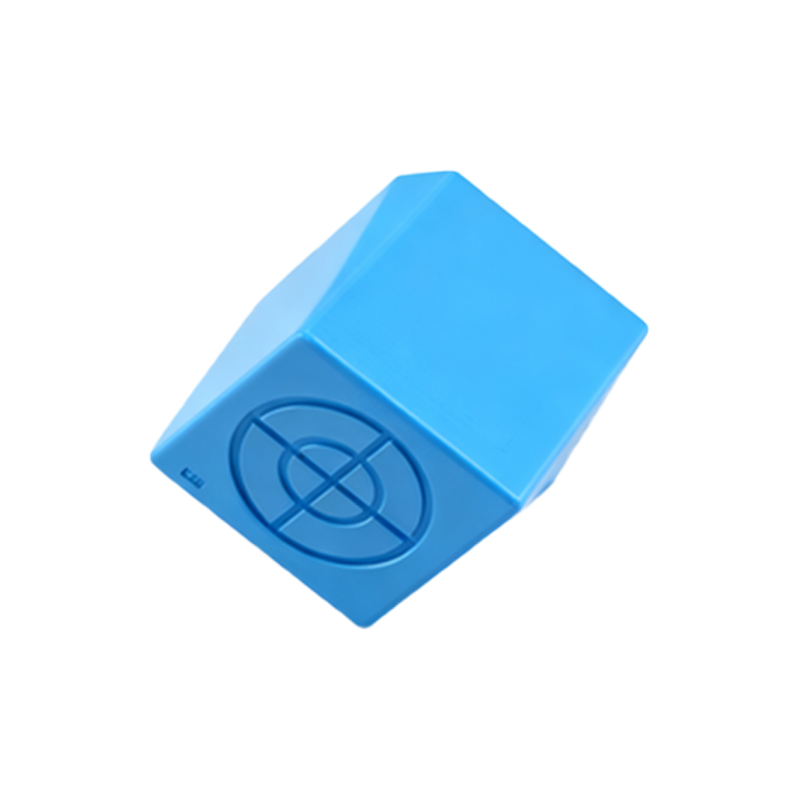
Environmental interference is another common factor. Strong direct sunlight shining on the sensor can flood the receiver with IR light, confusing it. Similarly, other sources of infrared light or even reflective surfaces like highly polished tiles or mirrors positioned opposite the sensor can cause false triggers. Physical obstruction is a simpler cause; sometimes, a toilet brush holder, a trash can, or even decorative items placed too close to the toilet can continuously block the sensor, preventing it from working or causing constant activation.
The sensor's range and sensitivity settings, often adjustable, can also be a source of trouble. If the sensitivity is set too low, the toilet may not detect a person. If set too high, it might flush when someone simply walks past the bathroom door. Over time, internal component failure can occur. The IR LED emitter can burn out, the receiver can degrade, or the electronic control board can malfunction due to moisture ingress or power surges.
Troubleshooting should follow a logical, step-by-step approach. Begin with the simplest solutions. First, perform a thorough cleaning of the sensor lens. Use a soft, lint-free cloth slightly dampened with water or a mild glass cleaner. Avoid abrasive cleaners or scouring pads that can scratch the lens. Ensure the area around the toilet is clear of any objects within a 2-3 foot radius. Next, address power. Replace all batteries, even if they seem to have some charge left. For hardwired units, try resetting the circuit breaker.
If problems persist, investigate environmental factors. Observe if sunlight hits the sensor at certain times of day. Consider closing a blind or shade to test if this resolves erratic behavior. Check for other potential sources of IR interference. Consult your toilet's user manual; many models have a procedure to temporarily disable the sensor for cleaning or to adjust the sensing range and sensitivity. This is often done by holding a button or using a specific remote control. Try recalibrating these settings.
For continuous malfunctions like constant flushing or no response at all, a manual override or reset function is crucial. Most automated toilets have a manual flush button as a backup. Locating the master reset procedure in the manual can sometimes clear electronic glitches and restore normal function. This typically involves holding down specific buttons or disconnecting power for a set duration.
When all basic troubleshooting fails, the issue likely lies with the internal electronics. Component-level repair, such as replacing a single sensor module, is possible but often requires technical skill and specific parts. For most homeowners, the practical solution is to replace the entire sensor assembly or control unit. These are often available as replacement parts from the toilet manufacturer or plumbing suppliers. Installation varies but generally involves removing a cover, disconnecting a wiring harness, and swapping the unit. If the toilet is under warranty, contact the manufacturer. For complex integrated systems or if you are uncomfortable with electrical components, hiring a licensed plumber or an appliance repair technician is the safest and most reliable course of action.
Regular maintenance can prevent many sensor issues. Wipe the sensor lens clean weekly as part of your bathroom cleaning routine. Avoid spraying harsh chemicals directly onto the sensor housing. Ensure the bathroom is well-ventilated to reduce moisture buildup around electronics. Periodically check and replace batteries before they are completely depleted to avoid corrosive leakage.
A malfunctioning toilet proximity sensor disrupts the seamless experience of a modern bathroom. By systematically addressing power, cleanliness,