Proximity touch sensors represent a significant advancement in human-machine interface technology, operating without physical contact. These sophisticated devices detect the presence or absence of objects within a defined sensing range, triggering responses based on measured changes in electromagnetic fields, capacitance, or other physical properties. Unlike traditional mechanical switches or direct-contact capacitive touchscreens, proximity sensors activate when a target object approaches the sensing area, enabling entirely new interaction paradigms.
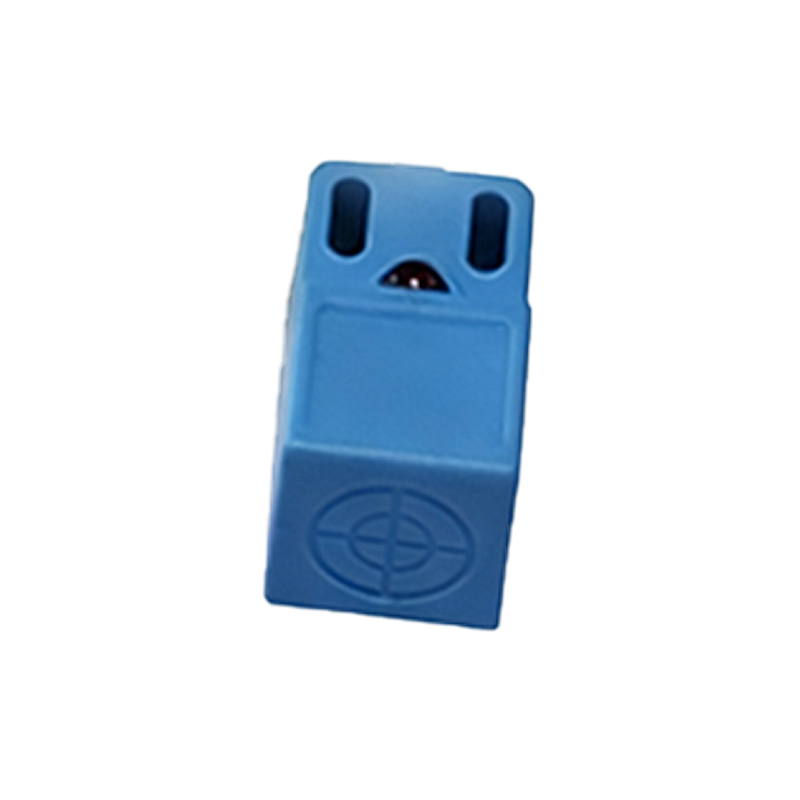
The fundamental operating principle varies across different proximity sensor types. Inductive proximity sensors generate an electromagnetic field and detect changes caused by metallic objects entering this field, making them ideal for industrial automation where they count metal parts or monitor machinery position. Capacitive proximity sensors, conversely, create an electrostatic field and respond to the presence of both metallic and non-metallic materials by detecting changes in capacitance. This versatility enables applications ranging from liquid level detection to touchless interfaces. Ultrasonic sensors measure the time interval between emitting sound waves and receiving their echoes to calculate distance, while photoelectric sensors use light beams interrupted by approaching objects. Infrared proximity sensors, commonly found in consumer electronics, emit infrared light and measure its reflection to determine object presence.
Modern proximity touch technology increasingly relies on capacitive sensing due to its sensitivity and design flexibility. These systems typically incorporate a sensing electrode that establishes an electric field. When a conductive object like a human hand enters this field, it alters the local capacitance, which specialized integrated circuits measure with remarkable precision. Advanced signal processing algorithms then distinguish intentional gestures from environmental noise, enabling reliable operation in diverse conditions. The latest sensors achieve sub-millimeter accuracy and can detect gestures like swipes or taps performed several centimeters from the surface.
The automotive industry extensively implements proximity touch sensors to enhance both safety and convenience. Many vehicles now feature touchless trunk opening systems where a simple foot motion under the rear bumper triggers the hatch. Interior applications include proximity-detecting infotainment displays that activate context menus as a hand approaches, reducing driver distraction by minimizing necessary physical contact. Some luxury models incorporate gesture control for audio volume adjustment or call management, where specific hand movements near the console are recognized without touching any surface.
Consumer electronics represent the most visible application domain for proximity touch technology. Smartphones have utilized basic infrared proximity sensors for years to disable touchscreens during calls when held near the ear. Contemporary implementations are far more sophisticated, enabling features like "Air Gestures" that allow users to scroll through webpages or browse photos with hand waves above the device. Smart home devices increasingly incorporate proximity awareness; smart speakers might activate their visual interface when someone approaches, while touchless faucets and soap dispensers in modern kitchens promote hygiene by eliminating contact points. Wearable devices use miniature proximity sensors to detect when they're worn on the body, automatically waking from sleep mode to conserve battery life.
Industrial and commercial applications leverage proximity sensors for automation, safety, and efficiency. On factory assembly lines, proximity sensors detect product presence to coordinate robotic actions or track inventory without physical contact that could damage delicate components. Public restrooms and commercial buildings install touchless flushers, faucets, and hand dryers to improve sanitation and reduce maintenance. Retail environments experiment with proximity-aware displays that change content when customers approach, creating interactive shopping experiences. Museums and exhibitions use similar technology to trigger audio explanations when visitors stand near artifacts.
Medical equipment manufacturers prioritize proximity touch interfaces to prevent cross-contamination in clinical settings. Touchless controls allow healthcare professionals to operate diagnostic imaging systems, adjust hospital bed settings, or scroll through patient records without contacting potentially contaminated surfaces. Laboratory equipment incorporates proximity sensors to enable hands-free operation when technicians are wearing sterile gloves. This technology proves particularly valuable in surgical environments and isolation wards where maintaining sterile conditions is critical.
The development of proximity touch sensors faces ongoing technical challenges that drive innovation. Power consumption remains a primary concern for battery-powered devices, prompting engineers to design ultra-low-power sensing circuits and efficient wake-up mechanisms. Environmental interference from temperature fluctuations, humidity changes, or electromagnetic noise can affect sensor accuracy, necessitating advanced calibration and filtering techniques. Designing sensors that reliably distinguish intentional gestures from accidental proximity in crowded environments requires sophisticated pattern recognition algorithms. Manufacturers continuously work to improve sensing range, response time, and multi-object detection capabilities while reducing sensor size and cost.
Future advancements point toward more intuitive and integrated systems. Researchers are developing materials with enhanced sensitivity, including flexible and transparent sensors that could be incorporated into curved displays or unconventional surfaces. Machine learning integration enables sensors to adapt to individual users' gesture patterns and environmental conditions, improving recognition accuracy over time. The convergence of proximity sensing with other technologies like computer vision and voice recognition will create multimodal interfaces that understand user intent more naturally. Emerging applications include automotive systems that detect driver drowsiness through eyelid proximity monitoring, and smart home environments that adjust lighting and temperature as occupants move through spaces.
Proximity touch technology continues to evolve from simple presence detection toward sophisticated spatial awareness. As sensing capabilities improve and implementation costs decrease, these