In today's fast-paced industrial landscape, the demand for specialized sensing solutions has never been greater. Proximity sensor bulk customization emerges as a critical service, enabling manufacturers across diverse sectors to integrate detection technology that aligns perfectly with their unique operational parameters, environmental challenges, and production goals. Unlike off-the-shelf models, customized proximity sensors are engineered from the ground up or significantly modified to meet precise specifications regarding sensing range, output type, housing material, form factor, and communication protocols.
The drive for customization stems from the inherent limitations of standard sensors. A generic inductive sensor might work in a controlled assembly line but fail miserably in a high-temperature foundry or a chemically aggressive washdown environment in food processing. Bulk customization addresses these gaps. It allows for the selection of specific housing materials like stainless steel 316L for corrosive settings or PEEK plastic for extreme temperatures. Sensing characteristics can be fine-tuned—adjusting the nominal sensing distance for a specific metal type, or choosing between analog voltage/current outputs for precise measurement versus a simple digital PNP/NPN switch for object detection. This level of tailoring ensures reliability, reduces false triggers, and minimizes downtime, directly impacting the bottom line.
The process of bulk customization typically begins with a deep-dive consultation between the sensor manufacturer's engineering team and the client's technical staff. This phase is crucial for defining all operational requirements: the target material (ferrous, non-ferrous, liquid), required sensing distance, environmental factors (temperature, pressure, exposure to oils/coolants), electrical requirements (voltage, output type, connection method), and physical constraints (size, mounting style). Prototyping often follows, where a small batch of sensors is built and tested in real-world or simulated conditions. This iterative phase validates the design before committing to full-scale production.
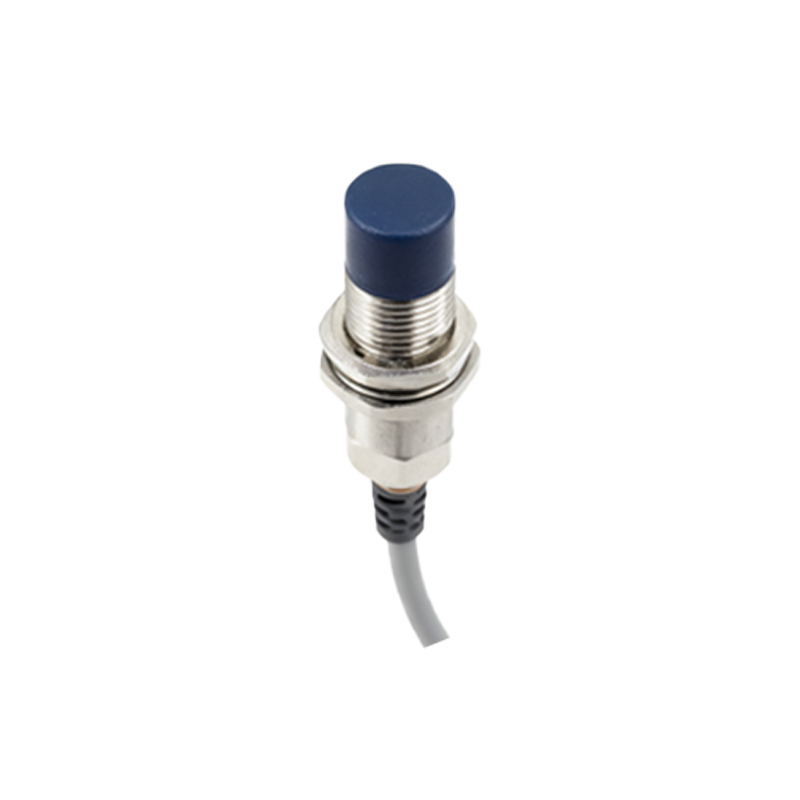
For original equipment manufacturers (OEMs), bulk customization is not a luxury but a necessity. Integrating a sensor that fits a pre-designed cavity in a machine tool, matches the brand's aesthetic, or communicates via a proprietary network protocol can be the defining feature of their product. The economies of scale achieved through bulk orders make this high level of specialization financially viable. Purchasing thousands of units of a tailored design often yields a lower total cost of ownership compared to adapting a process to fit a standard sensor, considering installation labor, maintenance, and potential production errors.
Key industries leveraging this service include automotive manufacturing, where sensors must detect specific components on high-speed lines; packaging machinery, requiring precise detection of various materials (glass, plastic, cardboard); and semiconductor fabrication, where ultra-cleanroom compatibility and extreme accuracy are paramount. The rise of Industry 4.0 and IIoT (Industrial Internet of Things) further fuels demand, as customized sensors are increasingly equipped with IO-Link, Ethernet/IP, or PROFINET connectivity for data-rich communication, enabling predictive maintenance and process optimization.
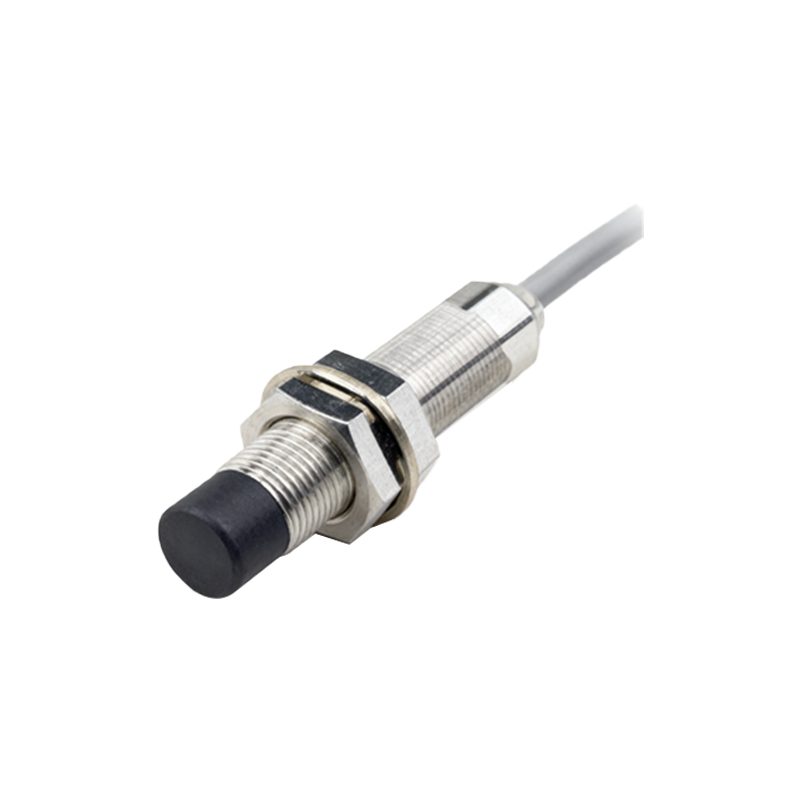
Choosing a partner for proximity sensor bulk customization requires careful evaluation. Look for manufacturers with proven expertise in multiple sensing technologies (inductive, capacitive, ultrasonic, magnetic), in-house design and prototyping capabilities, stringent quality control processes (like ISO 9001 certification), and a track record of delivering large-volume orders on schedule. A strong partner acts as an extension of your engineering department, providing technical support from concept to deployment and beyond.
In conclusion, proximity sensor bulk customization represents a strategic shift from adapting processes to available technology to shaping technology around the process. It empowers businesses to enhance automation efficiency, ensure system reliability, and build competitive advantage. By investing in sensors designed for a specific purpose, companies achieve greater operational harmony, reduce waste, and pave the way for more innovative and resilient manufacturing ecosystems.