In the world of automated car washes, precision and safety are paramount. The seamless, efficient cleaning that customers expect relies heavily on a critical, often unseen component: the automatic car wash proximity sensor. These sophisticated electronic devices act as the eyes and nervous system of the wash bay, ensuring vehicles move through the cleaning cycle without damage while optimizing the use of water, chemicals, and energy.
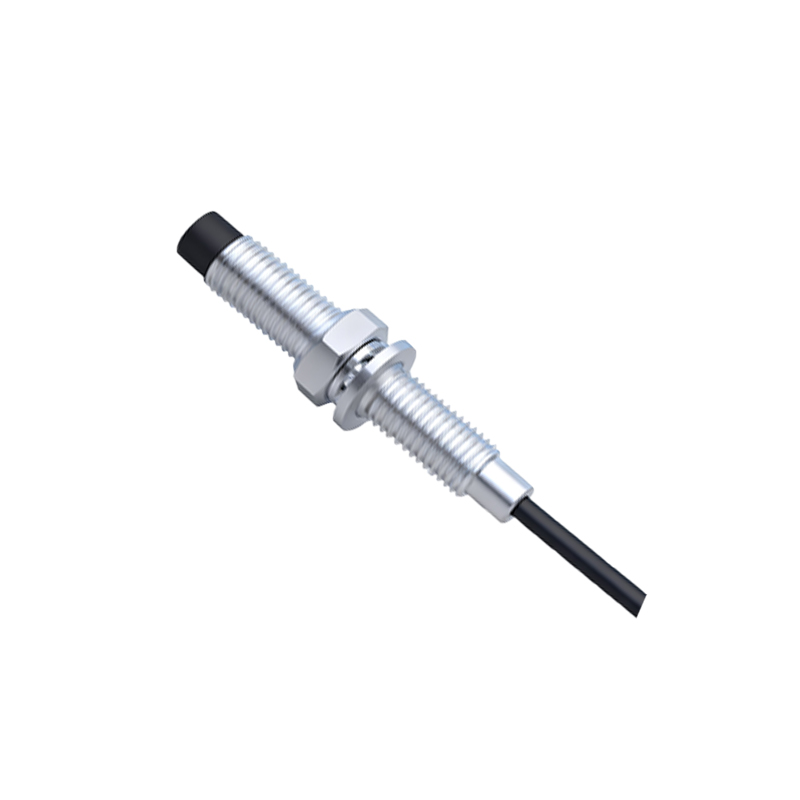
Unlike simple mechanical switches, modern proximity sensors are non-contact devices. They detect the presence or absence of a vehicle and its specific contours without any physical touch. This is achieved through various technologies, each suited to different aspects of the wash process. Inductive sensors are commonly used to detect the metal body of a car at key entry and exit points, triggering the start or stop of the conveyor system. For more precise contour following, ultrasonic sensors emit high-frequency sound waves. By measuring the time it takes for the echo to return, they can accurately map the shape of a vehicle, allowing rotating brushes or spray arms to maintain an optimal distance—close enough for a thorough clean but far enough to prevent scratches or impact on mirrors and antennas.
Another vital technology is the photoelectric sensor, often using infrared or laser light. These create invisible light curtains or beams across the bay. When a vehicle interrupts these beams, the system receives a precise signal about the vehicle's position and length. This is crucial for coordinating the timing of different wash stages, such as activating pre-soak applications, switching between soap and rinse cycles, and ensuring the powerful dryer blasts air at the correct moment as the car exits.
The integration of these sensors into a centralized control unit transforms a collection of mechanical parts into an intelligent system. As a vehicle enters the bay, inductive sensors confirm its presence on the track. Photoelectric beams then determine its front and rear boundaries. Once in motion, ultrasonic sensors on the gantry or side brushes continuously scan the vehicle's profile, dynamically adjusting the equipment's path in real-time. This constant feedback loop allows the system to safely accommodate sedans, SUVs, trucks, and vans with equal proficiency, all without manual adjustment.
The benefits of a well-calibrated proximity sensor system are extensive. Foremost is vehicle safety. By preventing direct, high-force contact between rigid equipment and the car's surface, the risk of scratches, broken antennas, or dislodged trim is minimized. This protects customer property and reduces liability for the wash operator. Secondly, efficiency is dramatically improved. Sensors ensure cleaning agents and high-pressure water are only applied when and where the vehicle is present, reducing waste and operational costs. They also enable faster throughput by allowing precise, high-speed movement of equipment, knowing an immediate stop or reversal is possible if an unexpected obstacle is detected.
For business owners, this translates to higher customer satisfaction, lower maintenance costs on brushes and arms from reduced impact stress, and significant savings on water and chemical bills. Furthermore, reliable sensors minimize downtime caused by collisions or misalignment, ensuring the wash operates profitably throughout the day.
Maintenance of these systems is straightforward but essential. Sensors must be kept clean from built-up soap, wax, and grime, which can block optical lenses or dampen ultrasonic signals. Regular functional checks are part of routine service to ensure calibration remains accurate. Modern sensors are designed to be robust, resisting water ingress, vibration, and chemical exposure inherent in the wash environment.
As technology advances, the role of sensors continues to evolve. The integration of more advanced 3D imaging and machine learning algorithms promises even finer detection capabilities, potentially identifying vehicle types and customizing wash programs automatically. The humble proximity sensor, therefore, remains the unsung hero of the automatic car wash—a fundamental piece of technology that guarantees a safe, thorough, and resource-conscious clean for every vehicle that rolls through the bay.