In the intricate dance of modern machinery, where precision and safety are paramount, a silent sentinel often goes unnoticed: the proximity sensor. These devices, fundamental to countless automated systems, operate without physical contact, detecting the presence or absence of objects within their defined field. Their role is critical, forming the foundational layer of input for control systems in industries ranging from automotive manufacturing to consumer electronics.
Unlike traditional mechanical limit switches that require physical touch, proximity sensors work on various non-contact principles. The most common types include inductive, capacitive, ultrasonic, and photoelectric sensors. Inductive sensors, for instance, generate an electromagnetic field to detect metallic objects. They are the workhorses of heavy industry, reliably counting metal parts on a conveyor or ensuring a robotic arm is in the correct position before welding. Capacitive sensors, on the other hand, can detect both metallic and non-metallic materials—like liquids, plastics, or wood—by measuring changes in capacitance. This makes them ideal for level detection in tanks or monitoring the presence of glass bottles on a filling line.
The advantages of employing proximity sensors are manifold. Their non-contact nature eliminates mechanical wear and tear, leading to exceptional longevity and reduced maintenance costs. They can operate at very high speeds, detecting objects passing by in milliseconds, which is essential for high-throughput production lines. Furthermore, their ability to function in harsh environments—resistant to dirt, oil, and vibrations—makes them incredibly robust. In safety applications, such as light curtains guarding dangerous machinery, they provide a reliable, tamper-resistant barrier that protects human operators.
The application spectrum is vast. In the automotive sector, they are embedded throughout assembly lines, ensuring components are correctly positioned for robotic installation. In the packaging industry, they count products, control filling levels, and verify label placement. Modern smartphones seamlessly integrate miniature infrared proximity sensors to disable the touchscreen during a call, preventing accidental cheek-dials. Even in everyday appliances like automatic faucets or soap dispensers, a small capacitive or infrared sensor provides the touch-free convenience users now expect.
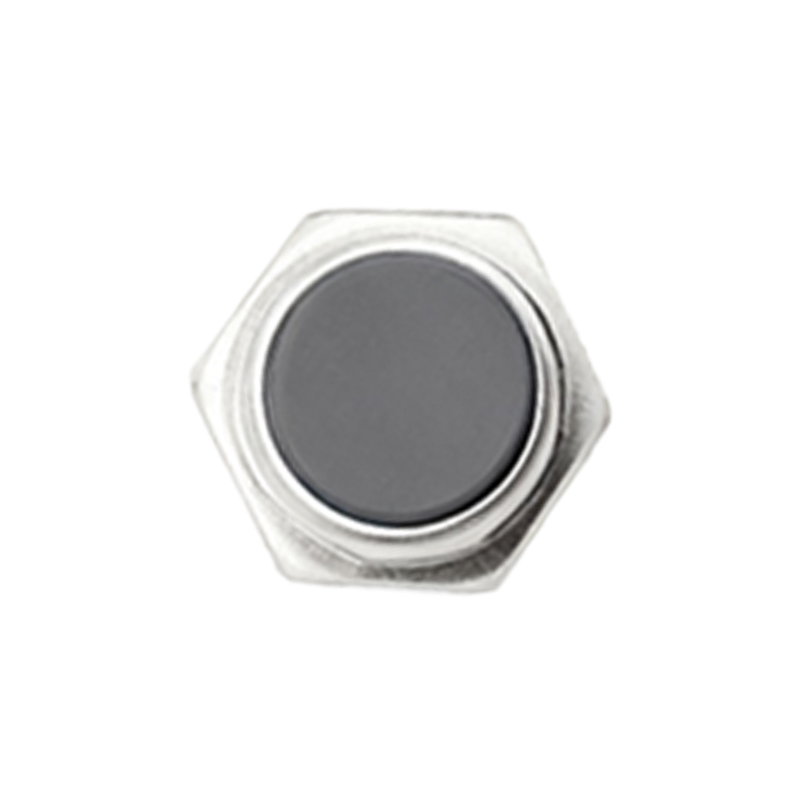
Selecting the right proximity sensor requires careful consideration of several factors. The nature of the target material is primary: is it metal, plastic, liquid, or transparent? The required sensing distance, or range, must be specified. Environmental conditions like temperature extremes, exposure to chemicals, or potential washdowns dictate the sensor's housing and ingress protection (IP) rating. Finally, the electrical output type—whether a simple two-wire AC/DC, three-wire NPN/PNN transistor, or analog output—must be compatible with the existing control system, typically a Programmable Logic Controller (PLC).
Installation and alignment are crucial for optimal performance. Sensors must be mounted securely to avoid vibration-induced false signals. For cylindrical sensors, maintaining the proper "null zone" around the sensing face is important to prevent interference from the mounting bracket itself. Regular testing and calibration, as part of preventive maintenance, ensure continued reliability. A common challenge is electrical interference in noisy industrial environments, which can often be mitigated by using shielded cables and proper grounding practices.
Looking ahead, the evolution of proximity sensing is intertwined with Industry 4.0 and the Internet of Things (IoT). Smart sensors now come equipped with IO-Link communication, enabling them to transmit not just a simple on/off signal, but detailed diagnostic data—like operating temperature, signal strength, or wear indicators—directly to the control system. This facilitates predictive maintenance, where a sensor can warn of impending failure before it causes downtime. Furthermore, miniaturization continues to open new frontiers, allowing these sensors to be integrated into increasingly compact and complex devices.
From ensuring the flawless operation of a billion-dollar production facility to enabling the simple gesture control on a tablet, proximity sensors are indispensable. They are the unseen facilitators of efficiency, quality, and safety. As automation grows more sophisticated and pervasive, the humble proximity sensor will continue to be a cornerstone technology, its silent vigilance enabling smarter and more responsive interactions between machines and the physical world.