In the rapidly evolving solar energy sector, precision and reliability are paramount. Photovoltaic (PV) cell proximity sensors have emerged as critical components, playing a pivotal role in optimizing the performance and safety of solar panel systems. These sophisticated devices detect the presence or absence of objects near solar panels without physical contact, enabling a new level of automation and control.
The core function of a PV cell proximity sensor is to monitor the immediate environment of solar modules. Typically utilizing technologies like inductive, capacitive, or optical sensing, these devices can identify various conditions. For instance, they can detect the accumulation of debris, snow, or bird droppings on panel surfaces. When such obstructions are identified, the system can trigger automated cleaning mechanisms or alert maintenance teams, preventing significant efficiency losses. In large-scale solar farms, even a minor layer of dust can lead to substantial energy yield reductions, making this proactive monitoring invaluable.
Beyond maintenance, these sensors significantly enhance operational safety. During installation or servicing, proximity sensors can detect the approach of personnel or equipment near high-voltage DC strings. This allows for automatic safety shutdowns or warnings, mitigating the risk of electrical hazards. Furthermore, in tracking solar systems—where panels follow the sun's path—proximity sensors ensure that the rotational movement does not cause collisions with adjacent structures or panels, preventing mechanical damage.
Integration with the broader solar monitoring system is a key strength. Data from proximity sensors is fed into a central supervisory control and data acquisition (SCADA) system or a plant controller. This creates a holistic view of plant health, combining electrical performance data from inverters with physical status data from the sensors. Advanced algorithms can then analyze this information, predicting potential issues like foreign object intrusion or mechanical stress before they escalate into failures.
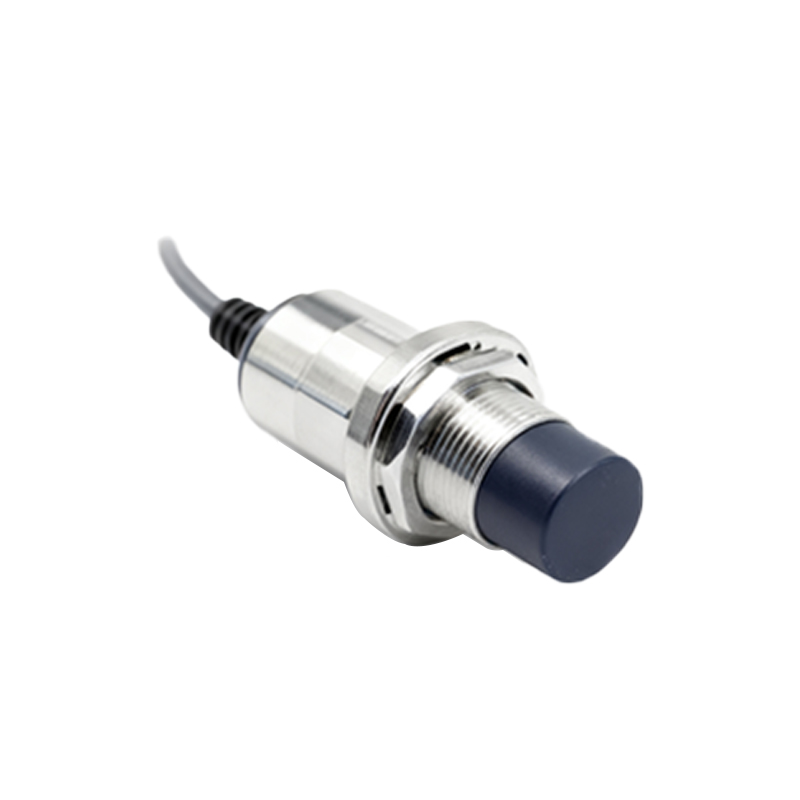
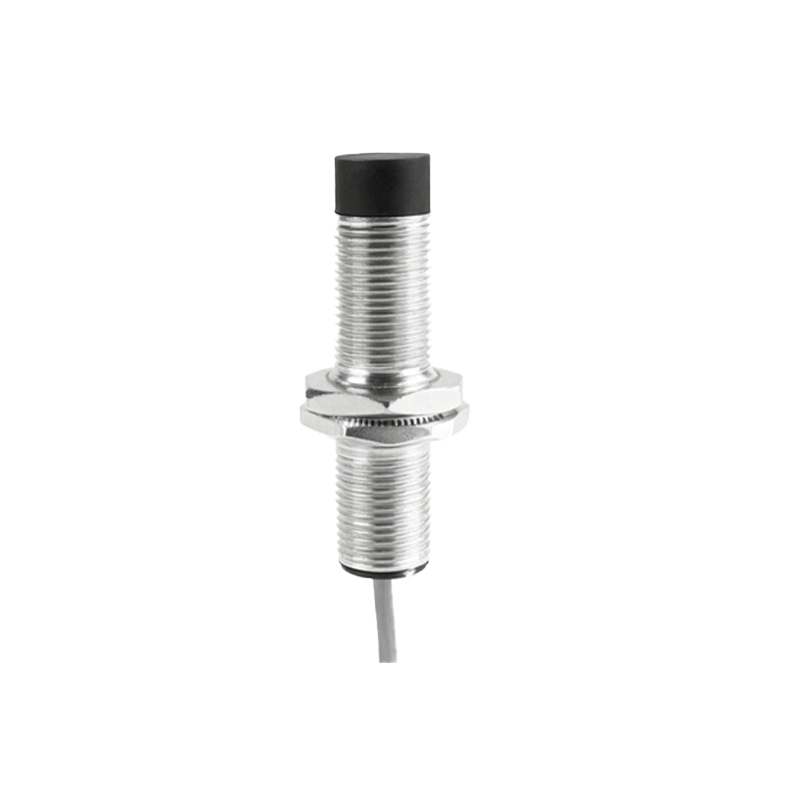
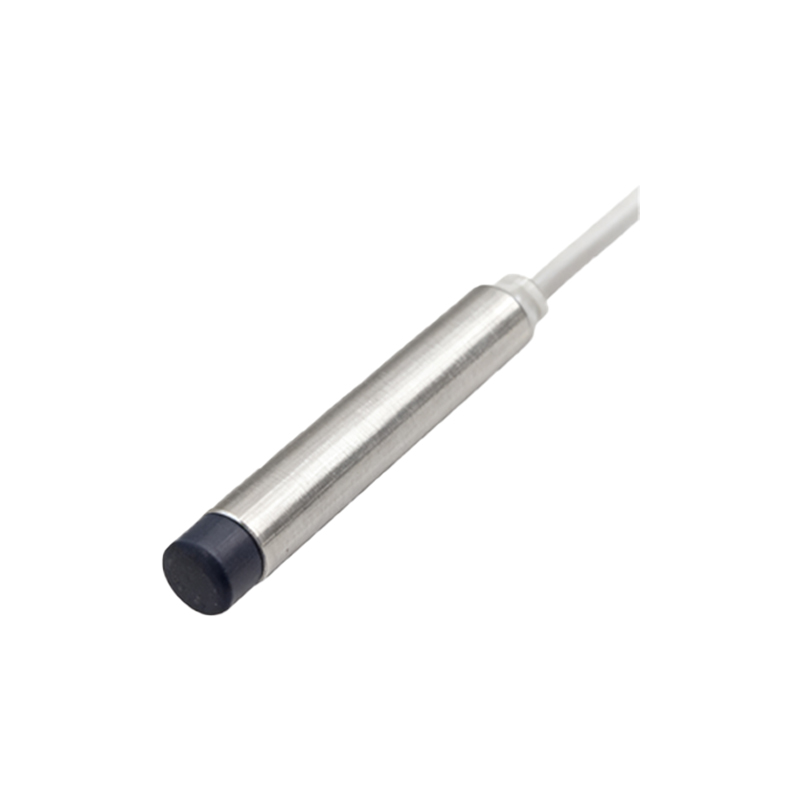
The technological choice for the sensor depends on the specific application. Inductive sensors are robust and ideal for detecting metallic objects near mounting structures. Capacitive sensors can detect non-metallic materials like snow or plastic debris. Optical sensors, including infrared and laser types, offer precise detection for alignment and clearance monitoring in solar trackers. The selection process must consider environmental factors such as temperature extremes, humidity, UV exposure, and potential electromagnetic interference from inverters.
Looking forward, the integration of proximity sensing with the Internet of Things (IoT) and artificial intelligence is set to redefine solar asset management. Smart sensors with wireless connectivity can report their status in real-time, enabling predictive maintenance models. AI can analyze historical obstruction data to optimize cleaning schedules based on weather patterns and location-specific soiling rates. This evolution transforms solar plants from static electricity generators into intelligent, self-optimizing networks.
In conclusion, photovoltaic cell proximity sensors are far more than simple detection tools. They are enablers of higher efficiency, improved safety, and lower operational costs. As solar technology advances towards greater autonomy and intelligence, these sensors will form an essential sensory layer, ensuring that solar power systems operate at their peak potential while safeguarding both the infrastructure and the personnel that maintain it. Their continued development is integral to building more resilient and profitable renewable energy assets.