Proximity sensor switches are fundamental components in modern industrial automation and electronic systems. Unlike traditional mechanical switches that require physical contact, these devices detect the presence or absence of an object within a specific range without any direct touch. This non-contact operation is their defining characteristic, leading to superior reliability, longer service life, and the ability to function in harsh environments where dirt, oil, or vibration would compromise mechanical parts.
At its core, a proximity switch operates by emitting a field or beam and monitoring for changes in that field caused by a target object. The primary working principle depends on the technology employed. The most common types include Inductive, Capacitive, Ultrasonic, and Photoelectric sensors. Inductive proximity sensors are widely used for detecting metallic objects. They generate an oscillating electromagnetic field from a coil. When a metal target enters this field, it induces eddy currents on the metal's surface, which dampens the oscillation amplitude of the sensor. This change is detected by the sensor's circuitry, which then triggers a solid-state switch to change state (e.g., from OFF to ON). These sensors are ideal for machine tools, automotive assembly, and metal detection applications.
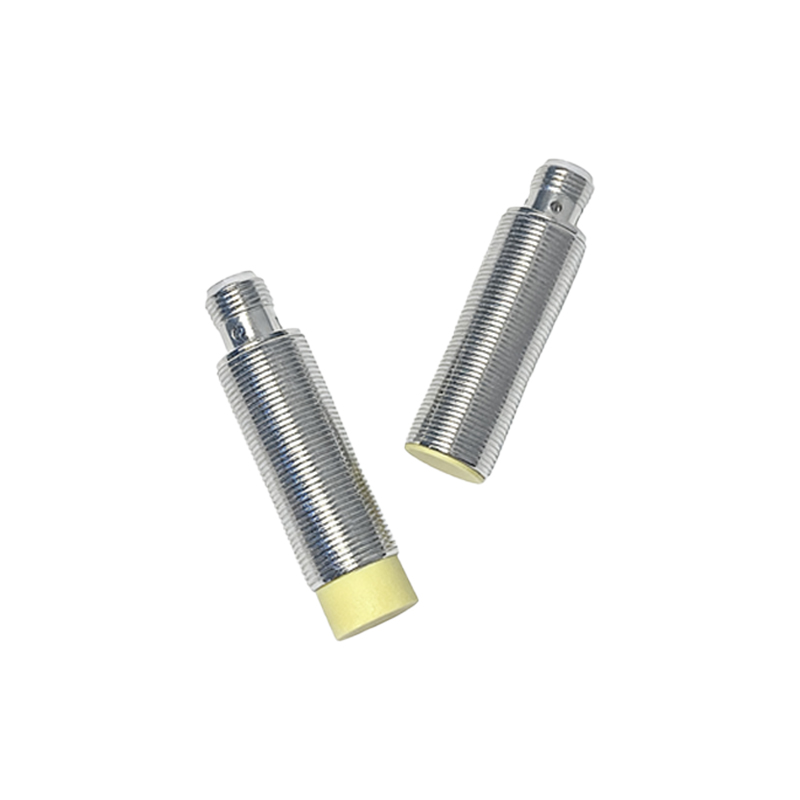
Capacitive proximity sensors, on the other hand, can detect both metallic and non-metallic materials such as liquids, plastics, wood, and granules. They function by generating an electrostatic field. When any object with a dielectric constant different from air enters this field, it alters the sensor's capacitance. This alteration is measured, and when it reaches a preset threshold, the switch activates. This makes them perfect for level detection in tanks, material handling, and presence detection of non-metallic products.
Photoelectric sensors use light, typically infrared or laser, to detect objects. They consist of an emitter and a receiver. In the through-beam type, the object breaks the light beam between separate emitter and receiver units. In the retro-reflective type, the beam bounces off a reflector back to the receiver, and the object breaks this return path. The diffuse reflective type relies on the object itself reflecting light back to the receiver housed in the same unit. These switches are excellent for long-range detection, small object sensing, and clean environments.
Ultrasonic sensors operate by emitting high-frequency sound waves and evaluating the reflected echo. The time delay between the emitted signal and the received echo is used to calculate the distance to the target. They are highly effective for precise distance measurement, level control of liquids and bulk solids, and detecting transparent or variably colored objects that might challenge photoelectric sensors.
The output of a proximity sensor is typically a switched signal. Most industrial sensors provide a solid-state output, such as an NPN or PNP transistor, or a relay contact. This output can directly interface with programmable logic controllers (PLCs), motor starters, and other control systems. Key selection parameters include sensing distance (rated and effective), target material, output type, supply voltage, housing style (cylindrical or rectangular), and environmental protection rating (IP rating).
Applications are vast and span across every industry. In automotive manufacturing, inductive sensors count gears, detect piston position, and confirm part presence. In packaging lines, photoelectric sensors ensure correct label placement and carton counting. Capacitive sensors monitor fluid levels in food processing, while ultrasonic sensors manage stacking height in warehouses. Their robustness allows them to function in extreme temperatures, under exposure to coolants, and in high-speed production scenarios where mechanical switches would fail rapidly.
When integrating a proximity switch, considerations include proper mounting, ensuring the correct target material and size for reliable detection, avoiding mutual interference between multiple sensors, and providing a stable power supply. Regular maintenance is minimal but involves keeping the sensing face clean and free from buildup that could affect performance.
In summary, the proximity sensor switch is a versatile, reliable, and indispensable tool for automation. By enabling non-contact detection of a wide array of objects, it forms the sensory foundation for efficient, safe, and intelligent industrial operations, contributing significantly to productivity and process control in the era of smart manufacturing and the Industrial Internet of Things (IIoT).