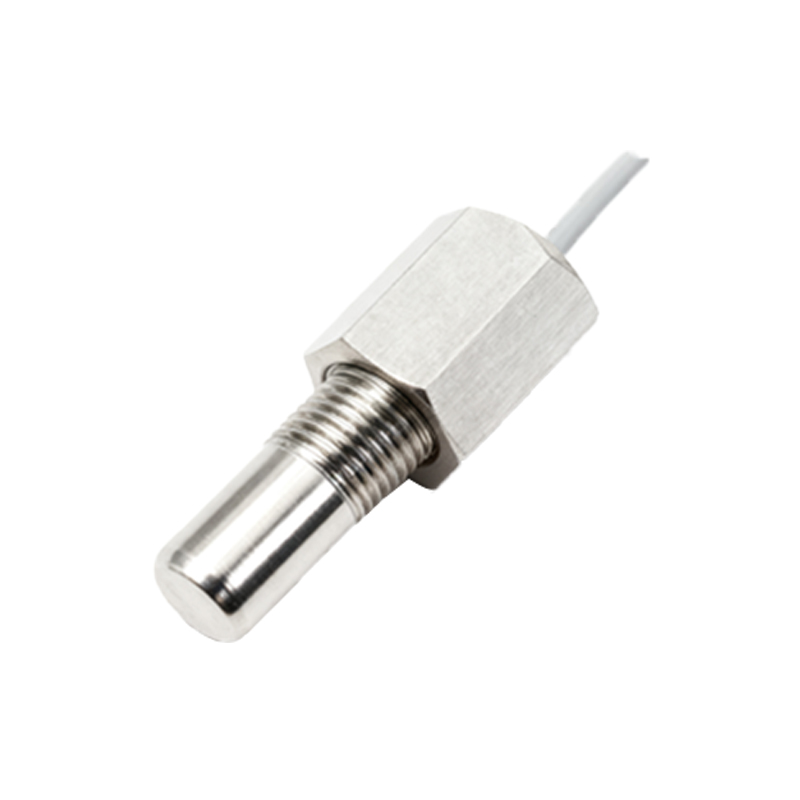
In industrial automation, manufacturing, aerospace, and energy sectors, the ability to detect the presence, absence, or position of an object is fundamental. However, when these operations occur in environments with punishing thermal conditions—from the deep freeze of cryogenic storage to the blistering heat of metal foundries—standard sensors fail. This is where extreme temperature proximity sensors become not just useful, but critical. These specialized devices are engineered to maintain precise, reliable performance where others would degrade, malfunction, or be destroyed.
The core challenge in high-temperature environments, often exceeding 100°C and reaching up to 200°C or more, is material integrity. Standard electronic components, plastics, and seals soften, melt, or oxidize. Conversely, in cryogenic applications dipping below -40°C and even towards absolute zero, materials become brittle, lubricants solidify, and thermal contraction can break bonds. Extreme temperature proximity sensors are built from the ground up to combat these forces. Key design considerations include specialized housing materials like stainless steel alloys (e.g., 316L), Inconel, or ceramic. These materials offer excellent resistance to thermal expansion, corrosion, and mechanical stress. Internally, high-temperature solder, ceramic circuit boards, and wires with high-temperature insulation (such as PTFE or fiberglass) are employed.
The sensing technology itself must also be robust. Inductive proximity sensors, which detect metallic objects, are common for high-temp applications. Their coils are wound with high-temperature wire and potted with thermally stable compounds to prevent movement and short circuits. For non-metallic object detection or where very high temperatures are present, capacitive sensors with ceramic faces are often chosen. Photoelectric sensors face perhaps the greatest challenge, as standard lenses can cloud or melt. Solutions involve using sapphire or quartz windows and mounting the sensitive electronics remotely via fiber optic cables, placing only the ruggedized tip in the heat zone.
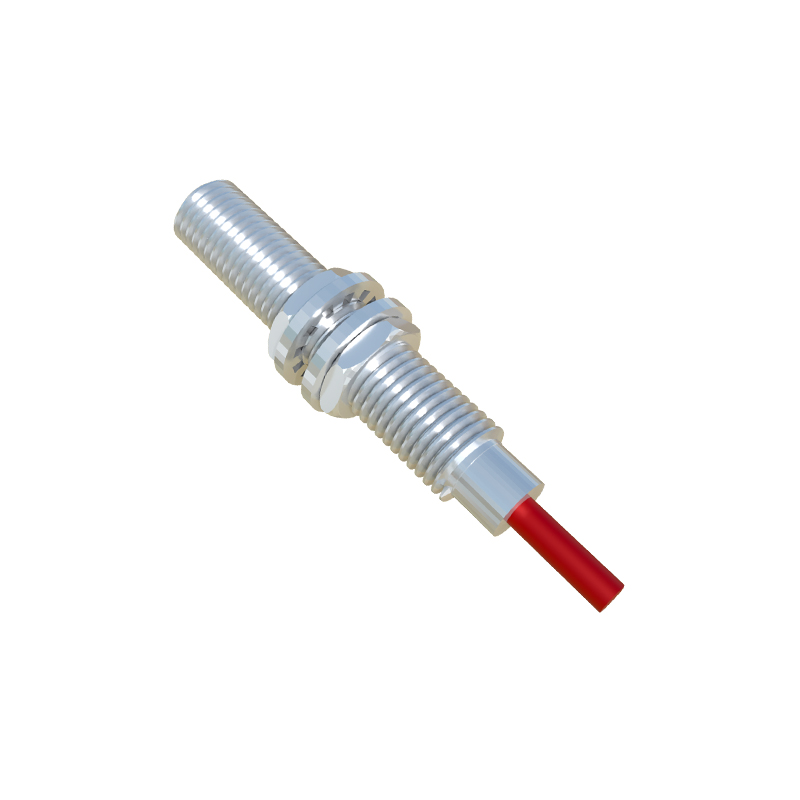
Performance specifications for these sensors are defined by their operational temperature range. A sensor rated for -40°C to +110°C is considered industrial-grade. True extreme-temperature sensors push these boundaries significantly, with common ranges like -50°C to +150°C, -60°C to +200°C, or even specialized units for processes like glass manufacturing that can briefly withstand over 500°C at the sensing face. It is crucial to distinguish between the ambient temperature rating (the temperature surrounding the sensor body) and the face temperature rating (the temperature at the active sensing surface, which can be much higher due to radiant heat from a target). A high-quality datasheet will clearly specify both.
The applications are as demanding as the sensors themselves. In the automotive industry, they monitor parts in paint-drying ovens and welding stations. In aerospace, they ensure component alignment in thermal vacuum chambers that simulate space conditions. In the energy sector, they are vital for monitoring equipment in geothermal plants, near turbine exhausts, or on offshore platforms exposed to polar seas. Food and pharmaceutical industries use them in sterilization autoclaves and freeze-drying (lyophilization) processes. Even modern additive manufacturing (3D printing) with metals relies on these sensors to monitor powder beds and print heads in high-temperature enclosures.
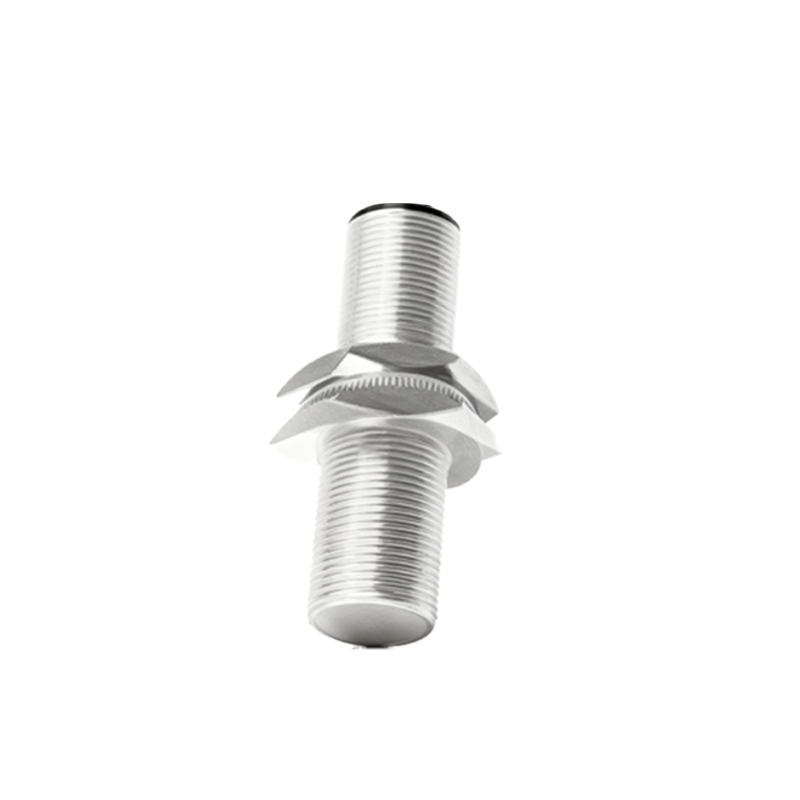
Selecting the right extreme temperature proximity sensor requires a detailed analysis of the operating environment. Key questions include: What are the sustained and peak temperatures? Is there rapid thermal cycling? Are there contaminants like oil, coolant, or abrasive dust? What is the required sensing distance and target material? Understanding these factors guides the choice of technology (inductive, capacitive, photoelectric), housing material, connection type (often high-temperature cables or ceramic connectors), and protection rating (IP67/IP69K for washdowns). Proper installation is equally important; even the best sensor can fail if mounted too close to a primary heat source without thermal shielding or if subjected to mechanical stress from misaligned brackets.
Ultimately, the investment in a properly specified extreme-temperature sensor pays dividends in system uptime, safety, and product quality. They prevent costly shutdowns, protect expensive machinery from damage, and ensure process consistency where human monitoring is impossible. As industries push into more challenging environments—from deep-sea mining to next-generation nuclear reactors—the evolution of these rugged sensing solutions will continue to be a cornerstone of technological progress and operational reliability.