In the realm of industrial automation, precision, reliability, and safety are non-negotiable. Among the myriad of sensing technologies available, proximity ring sensors have carved out a critical niche, particularly in applications involving small metallic parts, wires, and fast-moving objects. Unlike standard proximity sensors, the ring-shaped design allows for non-contact detection of objects passing through their aperture. This article delves into real-world case studies that showcase the transformative impact of these sensors across various sectors.
Case Study 1: High-Speed Counting in Electronics Assembly
A leading manufacturer of micro-USB connectors faced a significant challenge on their production line. Tiny, metallic connector pins, moving at speeds exceeding 400 units per minute on a vibratory feeder bowl, required accurate counting before being fed into the assembly machine. Traditional optical sensors were prone to errors due to dust and oil mist, while mechanical counters caused part deformation.
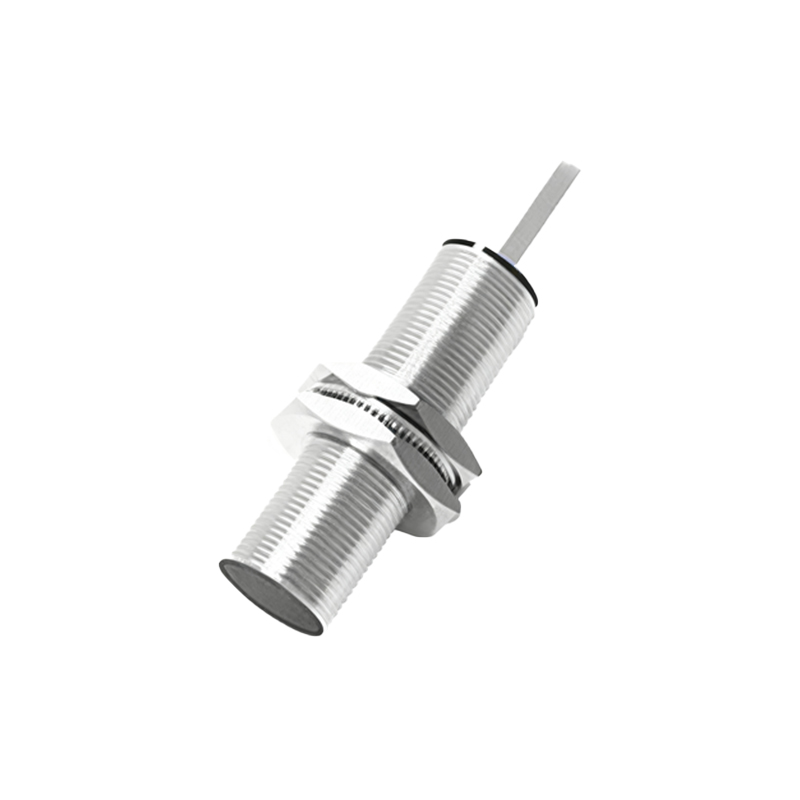
The solution was the integration of an inductive proximity ring sensor around the exit chute of the feeder. As each metallic pin passed through the sensor's ring, it generated a precise digital pulse without any physical contact. This enabled 100% accurate real-time counting and provided data for production monitoring. The result was a dramatic reduction in downstream assembly errors, near-elimination of part damage, and a 15% increase in overall line efficiency due to minimized stoppages for jams or miscounts.
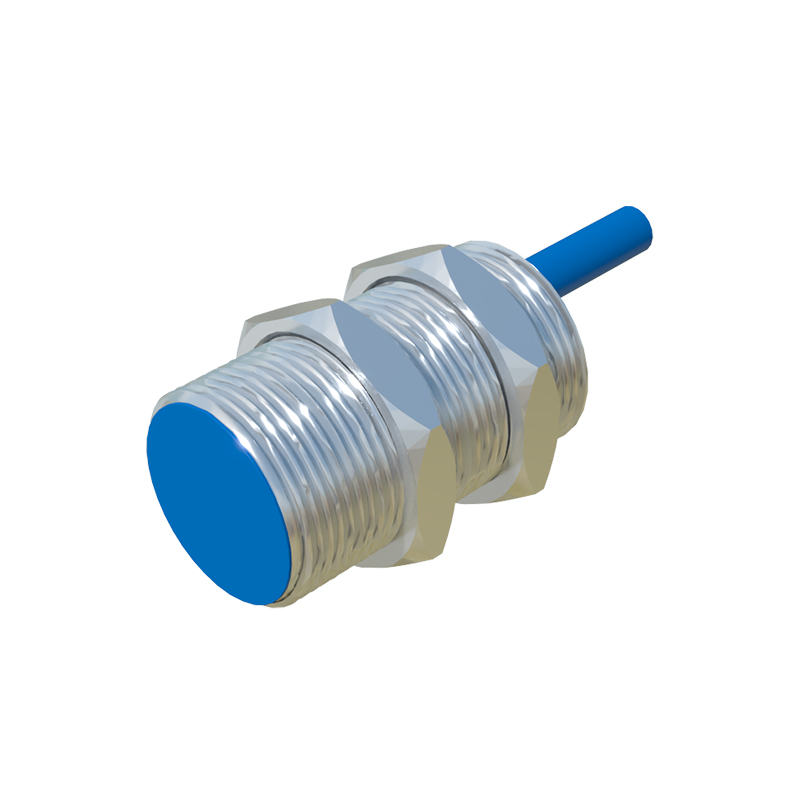
Case Study 2: Breakage Detection in Wire Drawing Processes
In a steel wire manufacturing plant, the wire drawing process involves pulling metal rods through progressively smaller dies to reduce diameter. A wire breakage during this high-tension process can cause extensive downtime, material waste, and potential equipment damage. The plant needed an immediate and fail-safe detection method.
A robust, high-frequency oscillation type proximity ring sensor was installed just after the final drawing die. The continuous steel wire, now at its final diameter, passed directly through the center of the ring. The sensor was configured to monitor the constant presence of the metal. The moment a break occurred, the metal object exited the sensing field, triggering an instantaneous stop signal to the drawing machine and an alarm. This immediate response limited material waste to mere inches per break and reduced machine restart time from hours to minutes, safeguarding both machinery and operator safety.
Case Study 3: Orientation Verification of Automotive Fasteners
An automotive component supplier assembling engine blocks needed to ensure that specific threaded studs were inserted in the correct orientation before robotic welding. A stud placed upside down would lead to a catastrophic quality failure. Visual systems were too slow and expensive for this high-volume line.
Engineers implemented a simple yet ingenious solution using two proximity ring sensors in sequence. The studs, fed by a pneumatic piston, passed through the rings. The first, a standard inductive ring, confirmed the presence of a metallic object. The second was a specialized capacitive ring sensor. This sensor could detect the difference in material mass and shape between the threaded end and the smooth end of the stud based on subtle changes in the capacitive field. By analyzing the signal sequence and profile from both sensors, the system could verify orientation with over 99.9% accuracy, rejecting any incorrectly oriented stud before they reached the welding robot.
Case Study 4: Jam Prevention in Pharmaceutical Packaging
A pharmaceutical company packaging blister packs used a system where finished packs were pushed through a metalized foil chute for cartoning. Occasionally, packs would tilt and jam inside the metallic chute, causing a line blockage that required manual intervention, compromising hygiene protocols.
A miniature, shielded inductive ring sensor was flush-mounted into the wall of the chute. Its sensing field was tuned to detect the presence of the metalized foil pack only when it was correctly aligned and moving. If a pack became stuck or tilted, it remained in the sensing field beyond a preset time window. This prolonged detection signal was interpreted as a jam, prompting the upstream conveyor to stop automatically before multiple packs could pile up. This proactive prevention system reduced jam-related downtime by 80% and maintained the sterile integrity of the packaging area.
These case studies underscore a common theme: the proximity ring sensor excels as a seamless, non-intrusive guardian within a process. Its value lies not just in detection, but in enabling higher speeds, ensuring flawless quality control, preventing costly damage, and collecting vital process data. When selecting a ring sensor, key considerations include the material of the target object (ferrous/non-ferrous metal), required sensing distance (often related to ring inner diameter), switching frequency for speed, and environmental factors like temperature, coolant, or washdown needs. By matching the right sensor technology to the specific application challenge, as demonstrated here, manufacturers unlock new levels of precision and reliability in automated production.