Proximity sensors have become ubiquitous in modern technology, and among the various form factors available, the square or rectangular design holds a significant place. This shape is not merely an aesthetic choice but a functional one, driven by engineering requirements and application-specific needs. A square proximity sensor typically houses its sensing element, which can be inductive, capacitive, or photoelectric, within a compact, often rugged, rectangular enclosure.
The primary advantage of the square form factor is its efficient use of space on printed circuit boards (PCBs) and within device assemblies. In industrial control panels, automotive modules, and consumer electronics, board real estate is at a premium. Square sensors can be mounted neatly in rows or grids, maximizing sensor density without wasted space. This design also often allows for easier integration with standardized mounting hardware, such as brackets or DIN rails, common in automation systems.
From a sensing performance perspective, the square shape can influence the sensor's field of detection. While the sensing technology itself defines the fundamental operating principle, the housing shape can affect the shape and reach of the detection field. For instance, an inductive proximity sensor in a square housing might have a more uniform lateral detection zone compared to a cylindrical counterpart, which can be beneficial in applications like object counting on conveyor belts where objects may pass at varying lateral positions. The flat face of a square sensor also allows for flush or surface mounting, protecting the sensor from physical damage in harsh environments.
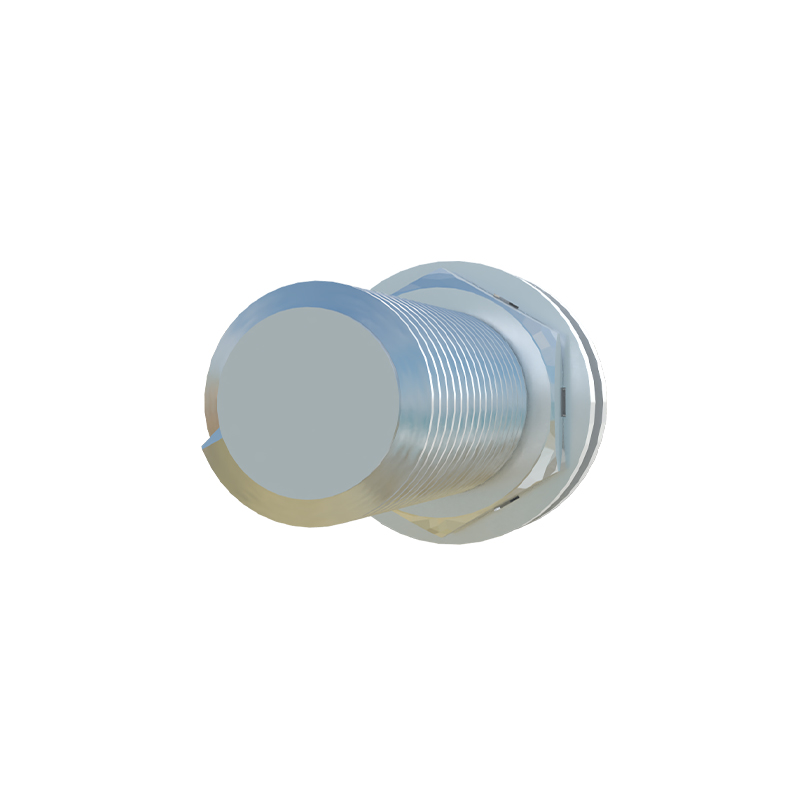
The construction of square proximity sensors often emphasizes durability. The housing is frequently made from materials like PBT plastic, stainless steel, or nickel-plated brass, offering high resistance to impacts, chemicals, and temperature fluctuations. This makes them ideal for challenging environments found in manufacturing, food processing, and outdoor applications. Many square sensors also boast high ingress protection (IP) ratings, such as IP67 or IP69K, signifying complete protection against dust and the ability to withstand high-pressure water jets.
Applications for square proximity sensors are vast and varied. In the automotive industry, they are used for seat occupancy detection, gear position sensing, and in automated assembly lines. In consumer electronics, they enable features like automatic screen dimming in laptops and tablets when a user is not present. Within industrial automation, they are the workhorses for position verification, end-of-travel detection for robotic arms, and monitoring the presence of parts in machining centers. Their robust design is particularly valued in packaging machinery, material handling, and heavy equipment where reliability is non-negotiable.
When selecting a square proximity sensor, engineers must consider several key parameters beyond the shape. The sensing range, output type (PNP/NPN, analog, IO-Link), supply voltage, and response time are critical. The environmental conditions, such as the presence of metallic dust, washdown requirements, or extreme temperatures, will dictate the necessary housing material and sealing specifications. Furthermore, the choice between inductive (for metals), capacitive (for liquids, powders, and non-metals), and photoelectric (for long-range or color detection) technologies is fundamental and depends entirely on the target object.
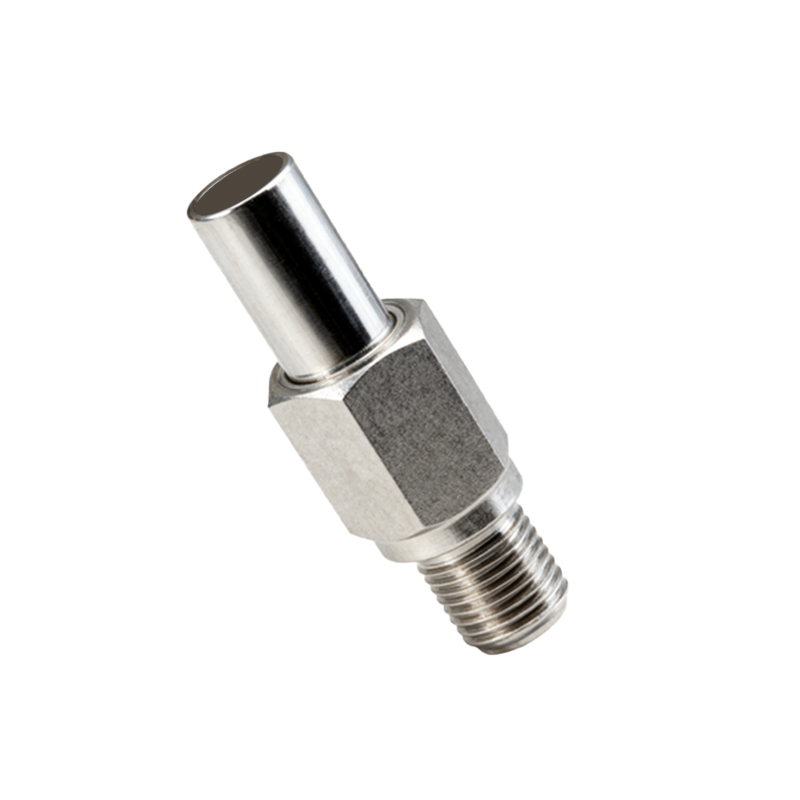
In conclusion, the square proximity sensor is a testament to functional design in industrial components. Its geometry provides practical benefits for installation, integration, and protection, making it a preferred choice in countless applications where reliable, non-contact detection is required. Its continued evolution, with trends toward miniaturization, smarter IO-Link connectivity, and enhanced durability, ensures that the humble square sensor will remain a cornerstone of automation and smart device design for the foreseeable future.