Proximity sensors are essential components in modern automation and electronic systems, enabling non-contact detection of objects within a defined range. Their performance is governed by several key characteristics that determine suitability for specific applications. Understanding these characteristics is crucial for engineers and designers to optimize system functionality and reliability.
One of the primary characteristics is sensing distance, which refers to the maximum range at which a sensor can reliably detect an object. This parameter varies significantly among different technologies, such as inductive, capacitive, ultrasonic, and optical sensors. Inductive sensors, for instance, typically offer shorter ranges suitable for metal detection in industrial machinery, while ultrasonic sensors can cover several meters for level monitoring or obstacle avoidance. The rated sensing distance is specified under ideal conditions, but real-world factors like target material, size, and environmental interference can affect actual performance.
Repeatability is another critical attribute, defined as the sensor's ability to consistently detect an object at the same distance under identical conditions. High repeatability ensures stable operation in precision applications like assembly line positioning or robotic guidance. This characteristic is often expressed as a percentage of the sensing distance, with premium sensors achieving deviations as low as ±0.5%. Factors influencing repeatability include temperature fluctuations, power supply stability, and sensor aging.
Response time measures how quickly a sensor can react to the presence or absence of an object. It is usually defined as the time interval between the target entering the sensing zone and the output signal change. Fast response times, often in microseconds for inductive sensors, are vital in high-speed manufacturing processes, whereas slower responses may suffice for bulk material handling. Designers must balance response time with other factors like noise immunity and power consumption.
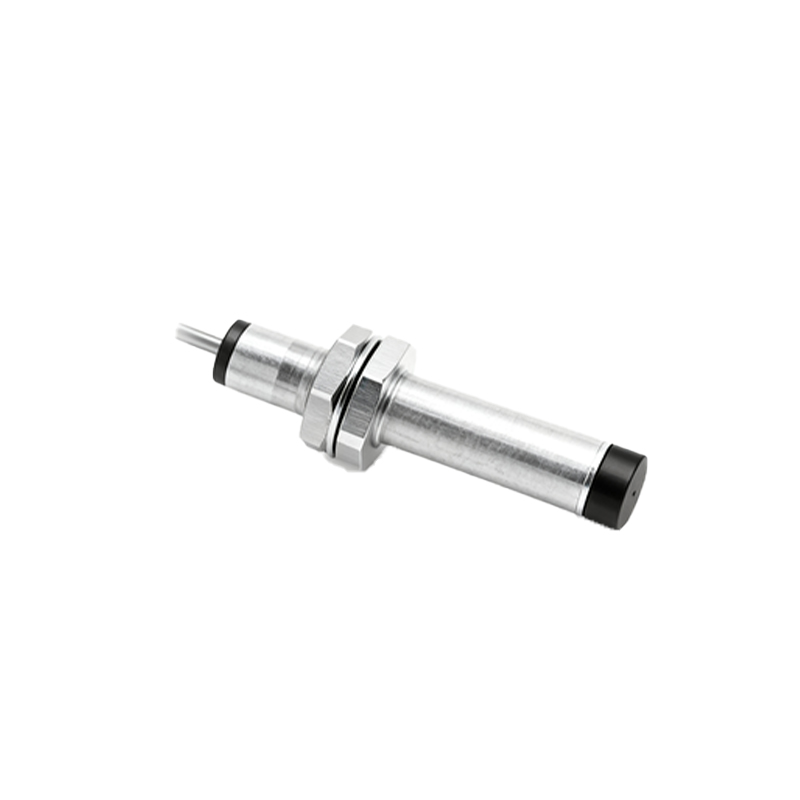
Output configuration plays a significant role in system integration. Proximity sensors commonly provide digital outputs (e.g., NPN/PNP transistors) or analog signals (e.g., 4-20 mA, 0-10 V). Digital outputs are straightforward for binary detection tasks, while analog outputs enable distance proportionality, useful in continuous monitoring scenarios like fill level control. Additionally, some advanced sensors feature IO-Link or other communication protocols for diagnostics and parameter adjustment.
Environmental robustness encompasses characteristics like temperature tolerance, ingress protection (IP rating), and resistance to shock or vibration. Industrial sensors often operate in harsh conditions, requiring specifications such as -25°C to 70°C temperature ranges and IP67 sealing against dust and moisture. Chemical resistance may also be necessary for applications in aggressive environments, such as food processing or chemical plants.
Interference immunity is essential for reliable operation in electrically noisy settings. Sensors must withstand electromagnetic interference from motors, welders, or other equipment without false triggering. Shielding designs, filtering circuits, and compliance with standards like IEC 60947-5-2 help mitigate these issues. Cross-talk between adjacent sensors can be minimized through proper mounting or synchronization features.
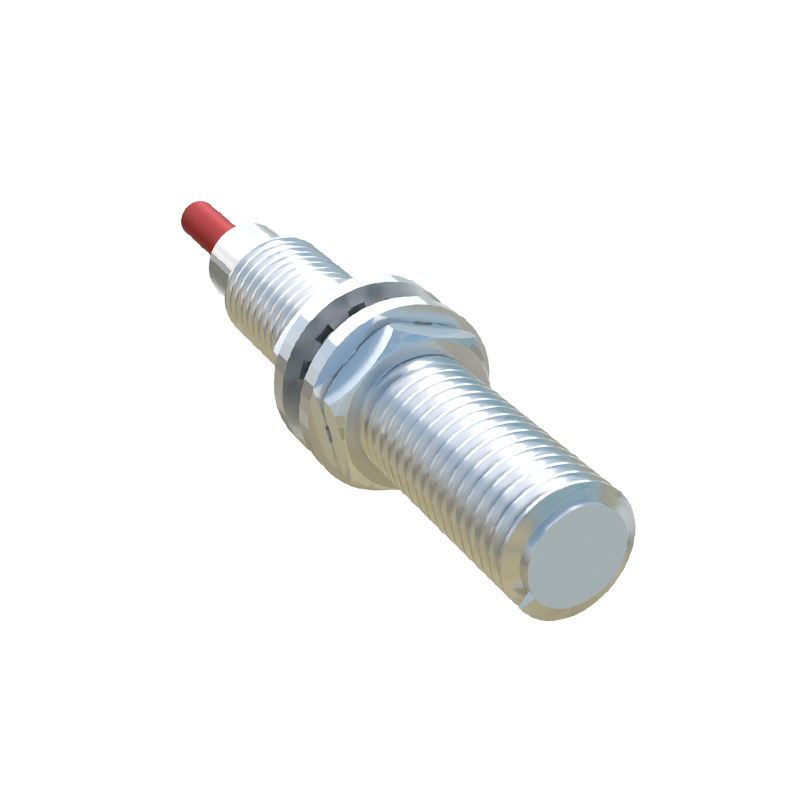
Finally, target material and size compatibility vary by sensor type. Inductive sensors detect metals with different sensitivities based on conductivity and permeability, while capacitive sensors respond to a broader range of materials, including liquids and plastics. The target's shape and orientation can also influence detection consistency, necessitating careful alignment in installation.
In summary, analyzing proximity sensor characteristics involves a holistic assessment of sensing distance, repeatability, response time, output type, environmental durability, and interference resistance. By matching these parameters to application requirements, users can enhance system efficiency, reduce downtime, and ensure long-term reliability in diverse fields from automotive manufacturing to consumer electronics.
