In modern industrial automation and smart device design, paper proximity sensors have become indispensable components for ensuring precision, efficiency, and safety. These specialized sensors detect the presence, absence, or position of paper sheets without physical contact, enabling seamless integration into various systems. The fundamental principle relies on technologies such as infrared, ultrasonic, or capacitive sensing, each offering distinct advantages depending on the application environment.
Infrared-based sensors are among the most common. They emit an infrared beam; when paper interrupts this beam, the sensor triggers a response. This method is highly effective for detecting thin materials like paper, offering fast response times and reliability in controlled lighting conditions. However, ambient light or highly reflective paper surfaces can sometimes cause interference, requiring careful calibration.
Ultrasonic sensors use sound waves to detect objects. They measure the time taken for an ultrasonic pulse to reflect off a paper surface. This technology excels in environments where dust or varying lighting might affect optical sensors. It can handle different paper types, from glossy to matte, with consistent accuracy. The downside may include slower response times compared to infrared options and potential issues with very soft or absorbent materials that dampen sound waves.
Capacitive sensors detect changes in an electrical field caused by the presence of paper. Since paper has dielectric properties, it alters the capacitance when near the sensor. These sensors are robust against environmental factors like dirt or moisture, making them suitable for harsh industrial settings. They are particularly useful for detecting paper stacks or measuring thickness variations.
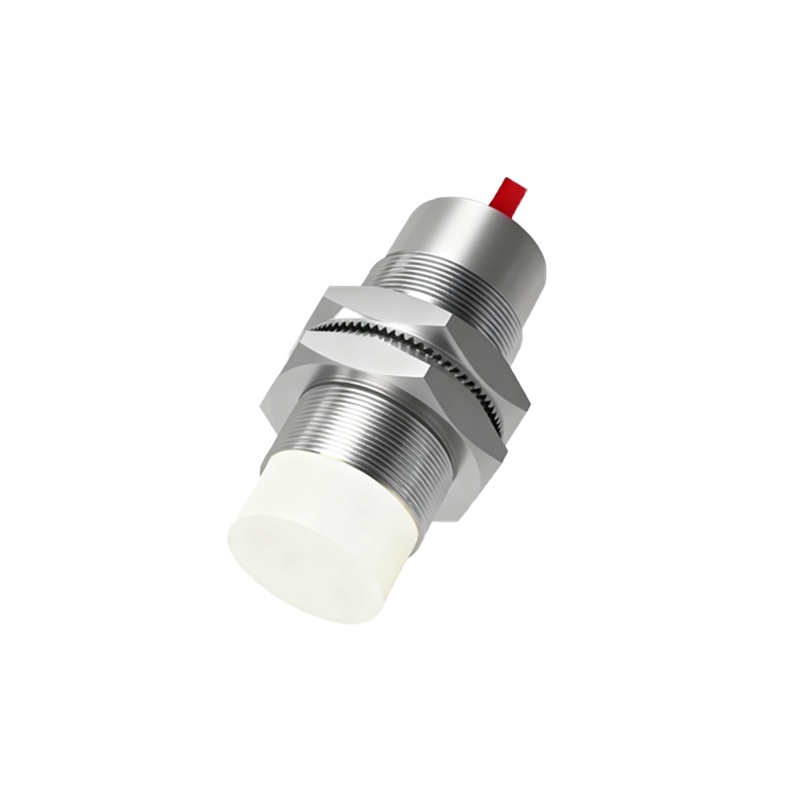
Key applications span multiple industries. In printing and packaging, paper proximity sensors ensure precise alignment, prevent jams, and count sheets. They are integral to high-speed printers, copiers, and folding machines, where even minor errors can lead to significant waste. In automated sorting systems, such as those in postal services or logistics, sensors identify and route paper documents or packages efficiently. Additionally, smart vending machines for tickets or receipts rely on these sensors to confirm dispensing, enhancing user experience and reducing malfunctions.
The integration of paper proximity sensors with IoT and Industry 4.0 trends is expanding their capabilities. Modern sensors often include digital outputs and connectivity features, allowing real-time monitoring and data analytics. This enables predictive maintenance, where systems can alert operators before failures occur, minimizing downtime. For instance, in a large-scale publishing facility, networked sensors can track paper flow across multiple stages, optimizing production schedules and resource use.
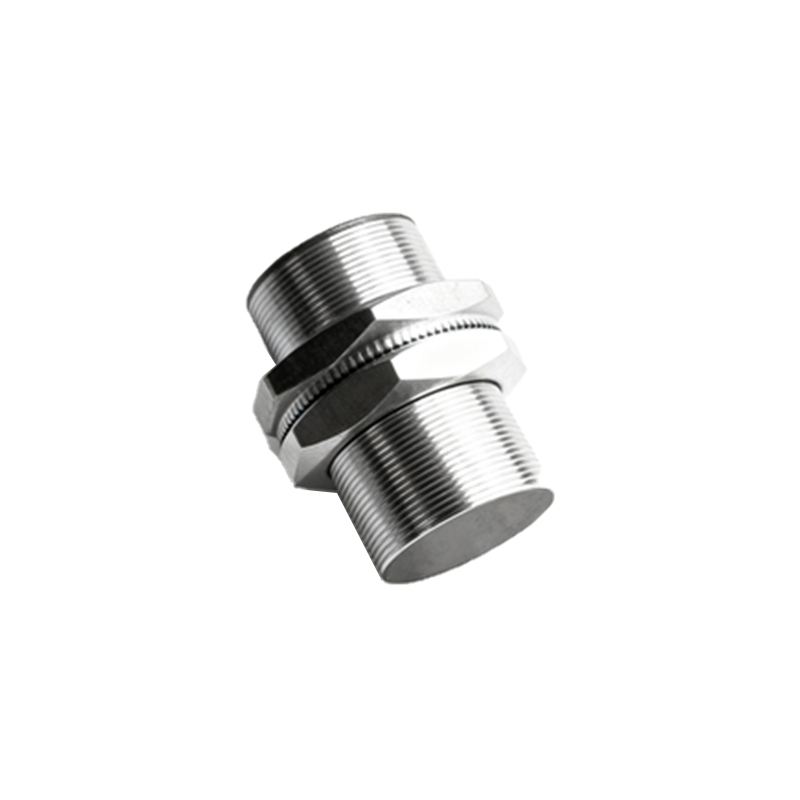
Selecting the right sensor involves considering factors like detection range, response speed, environmental conditions, and cost. For example, infrared sensors might be ideal for office equipment due to their cost-effectiveness and speed, while ultrasonic or capacitive sensors could be better for industrial printers exposed to dust or humidity. Calibration is crucial; sensors must be tuned to the specific paper type and operational speed to avoid false triggers or missed detections.
Future developments are focusing on enhancing sensitivity and adaptability. Advances in materials science may lead to sensors that can distinguish between different paper grades or detect minute defects. Machine learning algorithms could enable self-calibrating sensors that adjust to changing conditions autonomously. Moreover, miniaturization trends are driving the creation of smaller sensors for compact devices, such as portable printers or wearable tech involving paper-based interfaces.
In conclusion, paper proximity sensor technology is a cornerstone of automated and smart systems involving paper handling. By understanding the various sensing methods and their applications, industries can improve accuracy, reduce waste, and boost productivity. As innovation continues, these sensors will become even more versatile, supporting new efficiencies in an increasingly digital world.