In the intricate dance of modern automation and smart devices, there exists a silent, unseen sentinel. It doesn't make a sound, rarely draws attention to itself, yet its function is fundamental. This is the proximity sensor, a ubiquitous component that has quietly revolutionized how machines interact with the physical world without a single touch.
At its core, a proximity sensor is a device that detects the presence or absence of an object within a certain range, or its distance from the sensor, without any physical contact. The principle is elegantly simple: emit a signal, be it electromagnetic, electrostatic, or optical, and analyze the changes in the returned signal or field. This non-contact operation is its superpower, enabling reliability, longevity, and applications where touch is impossible or undesirable.
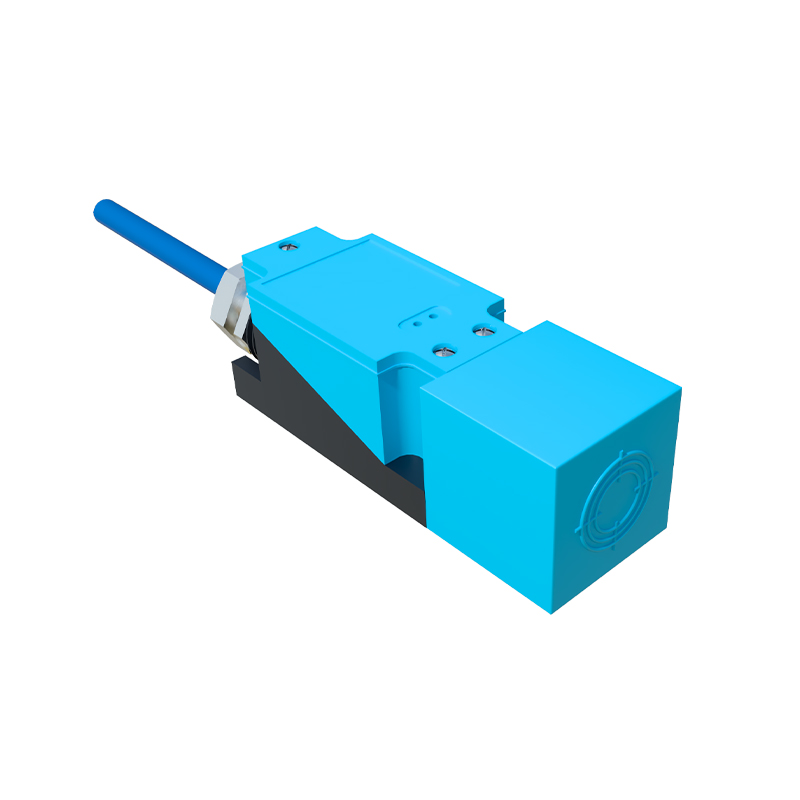
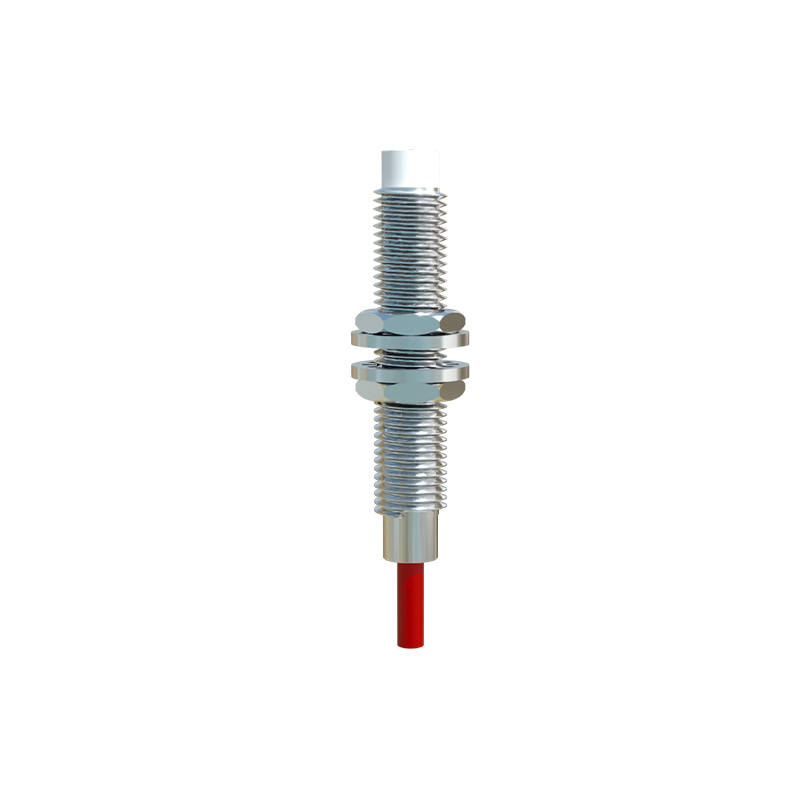
The family of proximity sensors is diverse, each member suited for specific tasks. Inductive sensors are the workhorses of industrial automation. They generate an electromagnetic field and detect the eddy currents induced in metallic targets. Robust and precise, they count parts on a conveyor belt, confirm the position of a robotic arm, or ensure a machine door is safely closed, all in the grimy, demanding environments of factories.

For non-metallic objects, capacitive sensors step in. They can detect almost any material—plastic, wood, liquid, or even a human hand—by sensing changes in capacitance caused by the intrusion of an object into their electrostatic field. This makes them perfect for level detection in tanks, touch-sensitive interfaces, or detecting the presence of a person.
Then there are the optical proximity sensors, which use light, typically infrared. An emitter sends out a beam, and a receiver detects its reflection. Their range can be longer, and they are highly effective for precise positioning and detecting small objects. Ultrasonic sensors operate on a similar echo-location principle but with sound waves, making them excellent for distance measurement and detecting objects regardless of color or material, such as in parking assist systems or tank level monitoring.
The applications are as vast as they are integral to daily life. Your smartphone screen dims and turns off when held to your ear during a call—thank a proximity sensor. Automatic faucets and soap dispensers in public restrooms promote hygiene using them. In automotive safety, they are the eyes of blind-spot monitoring and automatic braking systems. Advanced manufacturing lines would grind to a halt without arrays of these sensors providing real-time feedback for precision control.
The advantages are compelling. Non-contact sensing means no wear and tear, leading to exceptional durability and minimal maintenance. They offer high switching rates for fast-moving processes and are generally immune to surface conditions like dirt or moisture (depending on type and housing). Their reliability forms the backbone of safety interlock systems, preventing accidents by ensuring machinery only operates when clear.
Looking forward, the evolution of proximity sensing is intertwined with the Internet of Things (IoT) and Industry 4.0. Smarter sensors with integrated microprocessors can now communicate data wirelessly, perform self-diagnostics, and adapt to changing conditions. Miniaturization continues, embedding these capabilities into ever-smaller devices. Furthermore, sensor fusion—combining proximity data with input from cameras, accelerometers, and other sensors—is creating more contextual and intelligent systems, from collaborative robots that work safely alongside humans to truly responsive smart home environments.
From the factory floor to the palm of your hand, proximity sensors perform a critical, if invisible, duty. They are the fundamental gatekeepers of presence and distance, translating simple physical facts into the digital language of control systems. As technology strives to become more intuitive, seamless, and safe, these unassuming components will undoubtedly remain at the forefront, silently enabling a world where machines perceive and react to their surroundings with effortless grace.