Selecting the ideal proximity sensor is a critical decision that impacts the efficiency, safety, and cost-effectiveness of industrial automation, machinery, and countless electronic devices. With a vast array of technologies, specifications, and form factors available, navigating the purchase process can be daunting. This guide provides a structured approach to help you make an informed choice, ensuring the sensor you buy perfectly matches your operational needs.
The first and most fundamental step is to identify the target material the sensor must detect. This single factor often dictates the core technology. Inductive proximity sensors are the workhorses for detecting metallic objects, primarily ferrous metals like steel and iron. Their operation is based on generating an electromagnetic field; when a metal object enters this field, it causes a change that the sensor detects. For non-metallic targets—such as wood, plastic, glass, liquids, or granular materials—a capacitive proximity sensor is required. These sensors can detect virtually any material by sensing changes in capacitance. For precise detection of small objects or requiring a longer sensing range, photoelectric sensors use a beam of light. Ultrasonic sensors, which use sound waves, are excellent for challenging conditions like detecting transparent objects, measuring distance, or functioning in environments with dust, smoke, or vapors.
Once the technology is narrowed down, the environmental conditions of the installation site must be rigorously assessed. Will the sensor be exposed to extreme temperatures, washdowns with high-pressure chemicals, or corrosive atmospheres? An IP (Ingress Protection) rating is crucial here. A rating of IP67 indicates protection against temporary immersion, suitable for many industrial floors. For harsh food, beverage, or pharmaceutical environments requiring frequent cleaning, an IP69K rating is essential. Similarly, NEMA ratings define enclosures for specific industrial applications. Consider also the presence of electrical noise from motors or welders, which can interfere with sensor performance. Sensors with robust shielding and high noise immunity are necessary in such settings.

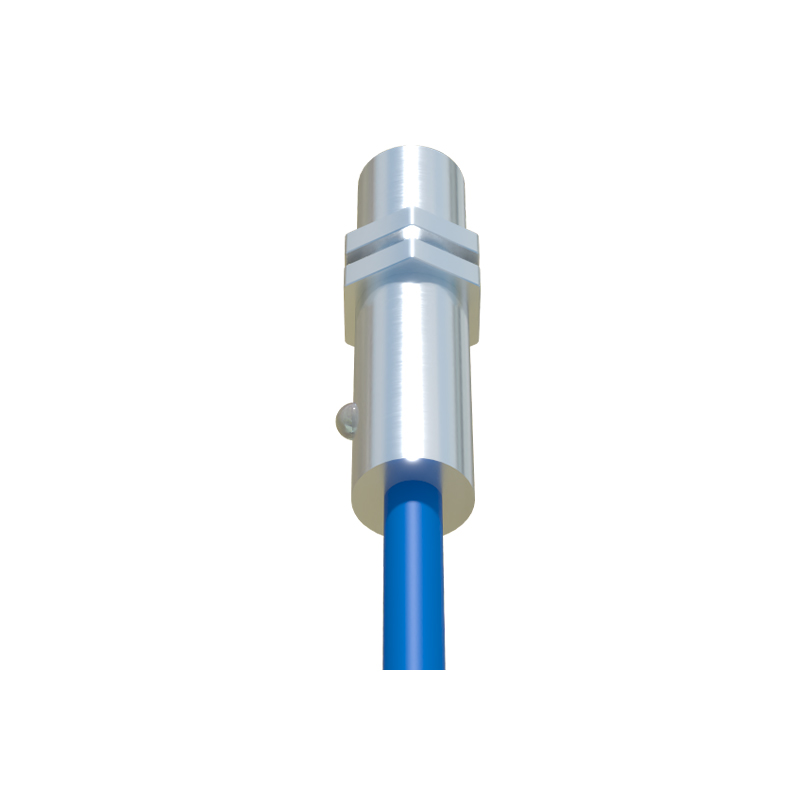
Technical specifications require careful scrutiny. The sensing range, often listed as the "nominal range," is the distance at which a standard target can be reliably detected. Always choose a sensor with a range 20-30% greater than your actual application distance to account for variations and ensure consistent operation. The output type must be compatible with your control system. Common outputs include NPN (sinking), PNP (sourcing), and analog (4-20mA or 0-10V) for distance-proportional signals. Don't overlook the physical form factor—cylindrical (threaded barrel) sensors are common, but rectangular, limit-switch style, or slot sensors might be needed for specific mounting constraints. The housing material, typically nickel-plated brass or stainless steel, should be chosen based on the required mechanical strength and corrosion resistance.
Finally, consider long-term reliability and total cost of ownership. While initial price is a factor, a slightly more expensive sensor from a reputable manufacturer often proves more economical over time due to higher Mean Time Between Failures (MTBF), better consistency, and available technical support. Check for certifications like UL, CE, or ATEX for hazardous locations if applicable. Ensure the sensor's operating voltage matches your power supply, and verify its switching frequency if you need to detect fast-moving objects.
In conclusion, a successful purchase hinges on a clear understanding of your application: what you need to detect, where it will be installed, and how it must perform. By systematically evaluating the target material, environment, technical specs, and reliability factors, you can confidently select a proximity sensor that delivers precision, durability, and value, optimizing your system's performance for years to come.