Metal proximity sensors are essential components in modern industrial automation, offering non-contact detection of metallic objects. Their reliability, speed, and durability make them indispensable in manufacturing, packaging, and material handling. The performance of these sensors is largely defined by their specific model and the technology they employ. Understanding the different models available is crucial for selecting the right sensor for a given application.
The most common technology used in metal detection is the inductive proximity sensor. These sensors generate an electromagnetic field. When a metallic object enters this field, it causes eddy currents to form on the object's surface, which in turn dampens the sensor's own oscillation. The sensor detects this change and triggers a switching signal. Inductive sensors are robust, cost-effective, and excellent for detecting ferrous metals like steel and iron. However, their sensing range is relatively short, typically a few millimeters to tens of millimeters, and is influenced by the target metal's properties.
Within inductive sensors, models are further distinguished by their housing style, sensing distance, output type, and connection method. Common housing styles include cylindrical barrels (e.g., M8, M12, M18, M30 threaded barrels) and rectangular or block-style housings. Cylindrical models are versatile and widely used, while block-style sensors often offer longer ranges or specialized form factors. Sensing distance, a critical parameter, varies by model. A standard M18 sensor might have an 8mm range, while a specialized model could offer 15mm. It is vital to note that the rated sensing distance is defined for a standard mild steel target. For other metals like aluminum, brass, or stainless steel, a reduction factor must be applied, effectively shortening the usable range.
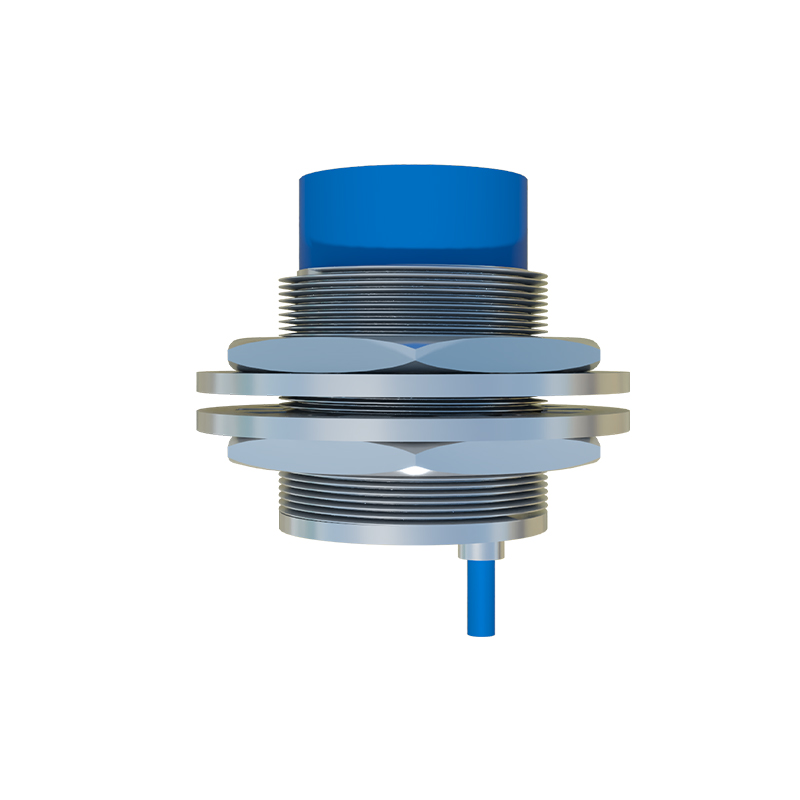
Output configuration is another key differentiator. Models come with digital outputs, either as NPN (sinking) or PNP (sourcing) transistors, or as relay contacts. NPN is common in Asian and European markets, while PNP is often preferred in North America. Some advanced models feature analog outputs (4-20mA or 0-10V) that provide a continuous signal proportional to the distance to the target, useful for positioning applications. Connection is typically via a pre-attached cable or a quick-disconnect connector, with M8 or M12 connectors being the industry standard for easy maintenance.
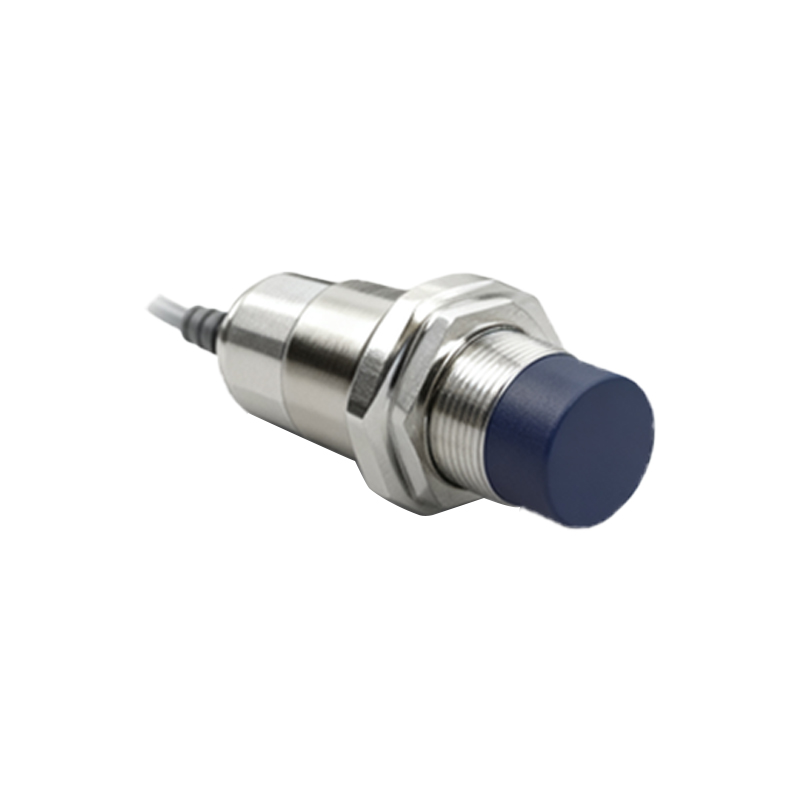
For applications requiring detection of all metals at a greater distance, including non-ferrous metals like aluminum and copper, capacitive proximity sensors are an option. While they can detect metals, they are also sensitive to non-metallic materials like liquids and plastics, which can be a drawback in purely metallic environments. For the longest range detection of metals, especially through non-metallic barriers, ultrasonic sensors are often employed. They measure the time-of-flight of sound waves and are excellent for position control and level detection of metallic objects in containers.
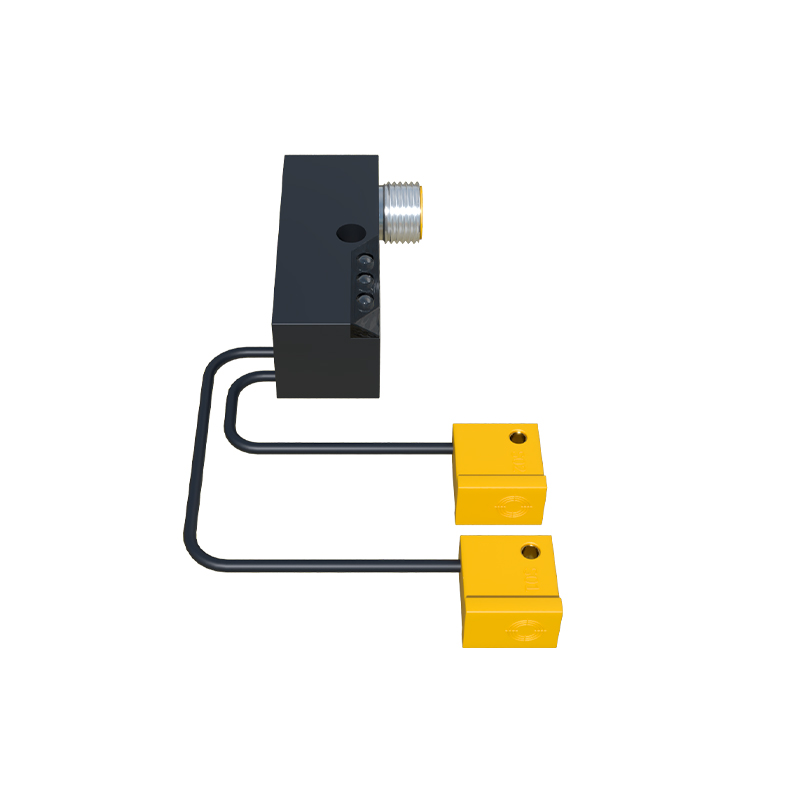
Specialized models address niche requirements. Factor-1 models are designed to have the same sensing range for all metals, eliminating the reduction factor for stainless steel or aluminum. Weld-field immune models are built to withstand the intense magnetic fields generated during resistance welding without false triggering. High-temperature models are constructed with specialized materials and seals to operate reliably in foundries or near heat-treating processes. Cylindrical sensors with extended sensing ranges, sometimes called "long-range" models, are available for applications where standard sensing distances are insufficient.
Selecting the correct model involves a detailed analysis of the application. Key questions include: What type of metal is the target? What is the required sensing distance? What is the operating environment (temperature, presence of coolants, welding sparks)? What output signal does the control system require? What physical size and mounting style are feasible? Consulting manufacturer datasheets is imperative, as they provide precise specifications on sensing curves, temperature ratings, housing material (often nickel-plated brass or stainless steel), and protection ratings (IP67 or IP69K for washdown environments).
In practice, an M12 inductive sensor with a 4mm range and PNP output might be perfect for detecting steel pistons on an assembly line. A large rectangular inductive sensor with a 40mm range could be used to detect the presence of a metal pallet on a conveyor. A factor-1 cylindrical sensor ensures reliable detection of aluminum can lids regardless of minor alloy variations. Proper selection, installation, and alignment directly impact system reliability, minimizing downtime and maximizing productivity. By understanding the capabilities and limitations of different metal proximity sensor models, engineers and technicians can build more efficient, robust, and intelligent automated systems.