In the realm of advanced sensing technology, Sony laser sensors stand as a pinnacle of innovation, driving transformative changes across numerous industries. These sophisticated components are not merely incremental improvements but represent a fundamental shift in how machines perceive and interact with their environment with unparalleled accuracy and speed.
At the core of Sony's laser sensor technology lies the utilization of highly controlled laser light. Unlike conventional optical sensors that rely on ambient light or LEDs, these sensors emit their own precise laser beams. This allows for exceptional performance in varying lighting conditions, from complete darkness to blinding brightness, where other sensors might fail. The laser's coherence and monochromatic nature enable the sensor to measure distances, detect objects, and map surfaces with micron-level precision. This is achieved through sophisticated time-of-flight (ToF) or triangulation principles, where the sensor calculates the time or angle difference between the emitted laser and its reflection.
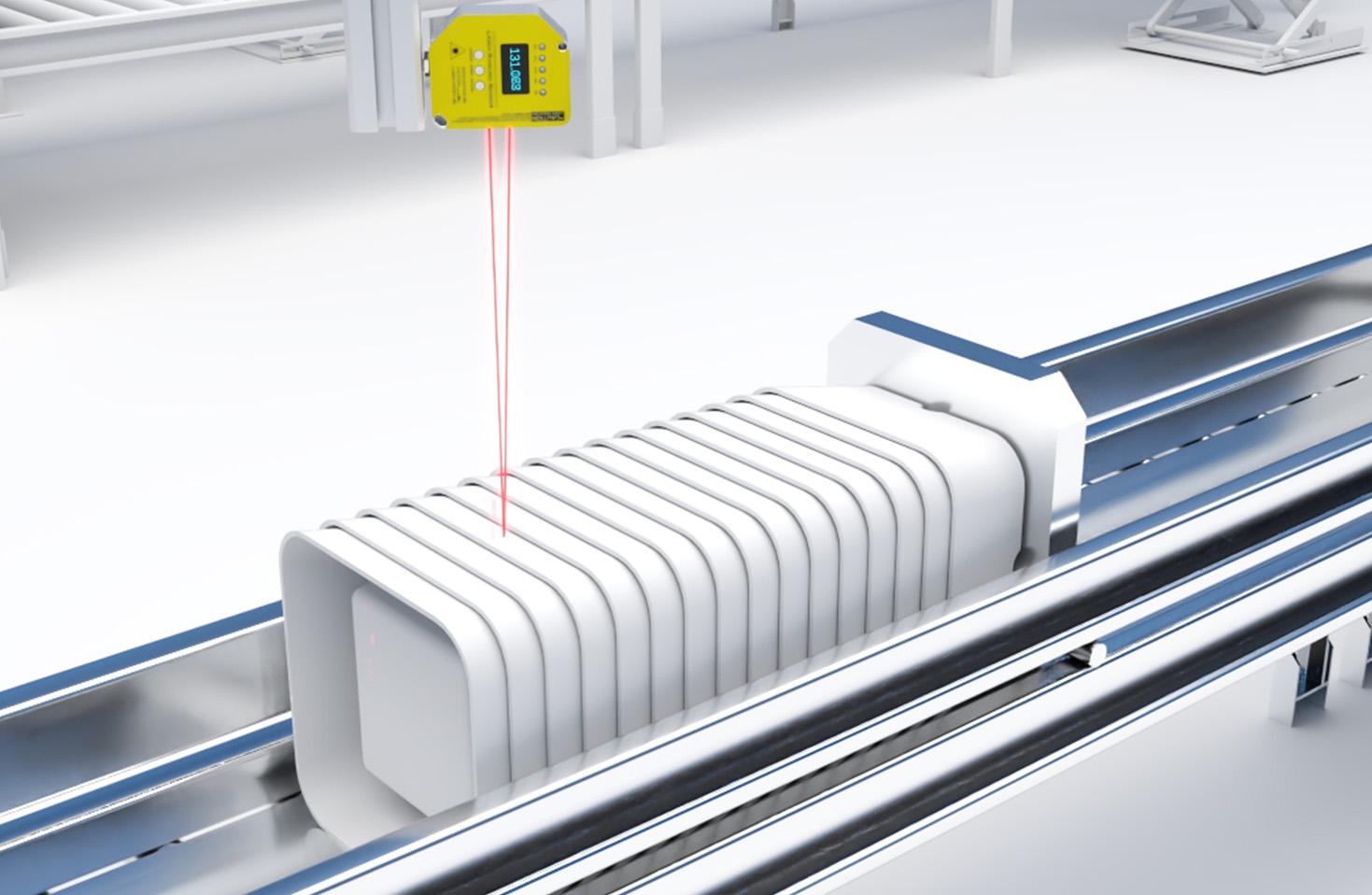
The applications for Sony laser sensors are vast and critical. In industrial automation, they are the eyes of robotic arms, enabling precise pick-and-place operations, quality inspection on high-speed assembly lines, and accurate dimensional gauging. A single sensor can verify the presence of components, measure minute height variations, or guide a robot to weld at the exact correct spot, drastically reducing errors and boosting production efficiency. The automotive sector leverages this technology for advanced driver-assistance systems (ADAS). Laser sensors contribute to functions like adaptive cruise control, blind-spot detection, and emergency braking by creating detailed, real-time 3D maps of the vehicle's surroundings, detecting pedestrians and obstacles with high reliability.
Beyond factories and vehicles, Sony's laser sensing technology is integral to next-generation consumer electronics. It is the enabling force behind facial recognition systems in smartphones and devices, where it projects thousands of invisible laser dots to create a precise depth map of a user's face for secure authentication. In logistics and warehousing, autonomous guided vehicles (AGVs) and inventory drones use these sensors to navigate complex environments safely and manage stock levels by scanning pallets and shelves. Even in the creative domain, laser sensors facilitate new forms of interactive entertainment and precise motion capture for animation and virtual reality.
What sets Sony apart in this competitive field is its vertical integration and expertise in semiconductor manufacturing. Sony designs and produces the specialized semiconductor components, including the laser diodes and high-sensitivity SPAD (Single Photon Avalanche Diode) or CMOS image sensors that capture the returning light. This control over the entire signal chain, from light emission to processing, allows for optimization of performance, power efficiency, and miniaturization. The result is sensors that are not only incredibly accurate but also compact, robust, and suitable for mass integration into consumer and industrial products.
The development roadmap for Sony laser sensors points toward even greater miniaturization, higher resolution, and reduced power consumption. Future iterations are expected to offer longer detection ranges and faster data processing speeds, unlocking possibilities in areas like fully autonomous mobility, sophisticated human-machine interfaces, and advanced biomedical imaging. As the demand for smart, autonomous, and interconnected systems grows, the role of precise, reliable sensing becomes non-negotiable.
In conclusion, Sony laser sensors are more than just components; they are foundational technologies enabling a smarter, more automated world. By providing machines with a superior sense of sight and spatial awareness, they bridge the gap between digital intelligence and physical action. Their impact is quietly profound, embedded within the devices and systems that are reshaping manufacturing, transportation, security, and daily life, setting a new standard for what is possible in precision sensing and measurement.