In the realm of modern electronics and industrial automation, the front cover proximity sensor stands as a critical component, often operating behind the scenes to ensure safety, efficiency, and seamless user interaction. This sophisticated device is designed to detect the presence or absence of an object, specifically a machine's front cover or access panel, without any physical contact. By employing various sensing principles, it plays a pivotal role in preventing accidents, enabling smart features, and maintaining operational integrity across countless devices.
The core function of a front cover proximity sensor is to monitor the status of a cover or door. When the cover is closed, the sensor detects this state and sends a signal to the main control unit, allowing the machine to operate normally. Conversely, if the cover is opened during operation, the sensor immediately triggers a safety response. This typically involves sending a halt signal to the system, shutting down moving parts or hazardous processes to protect users from potential injury. This fundamental safety interlock is mandatory in many industries, governed by strict regulations and standards to ensure workplace and consumer safety.
Several sensing technologies are employed in these sensors, each with its own advantages. Inductive proximity sensors are common for detecting metal covers. They generate an electromagnetic field and sense changes caused by a metallic object entering this field. They are robust, resistant to environmental factors like dust or moisture, and have no moving parts, ensuring long-term reliability. Capacitive sensors, on the other hand, can detect both metallic and non-metallic objects, such as plastic or glass panels. They work by measuring changes in capacitance caused by the proximity of any material that disturbs the sensor's electrostatic field. For applications requiring precise position detection or where a very small sensing range is needed, Hall Effect sensors are often used. These sensors detect changes in a magnetic field, typically from a magnet embedded in the cover itself.
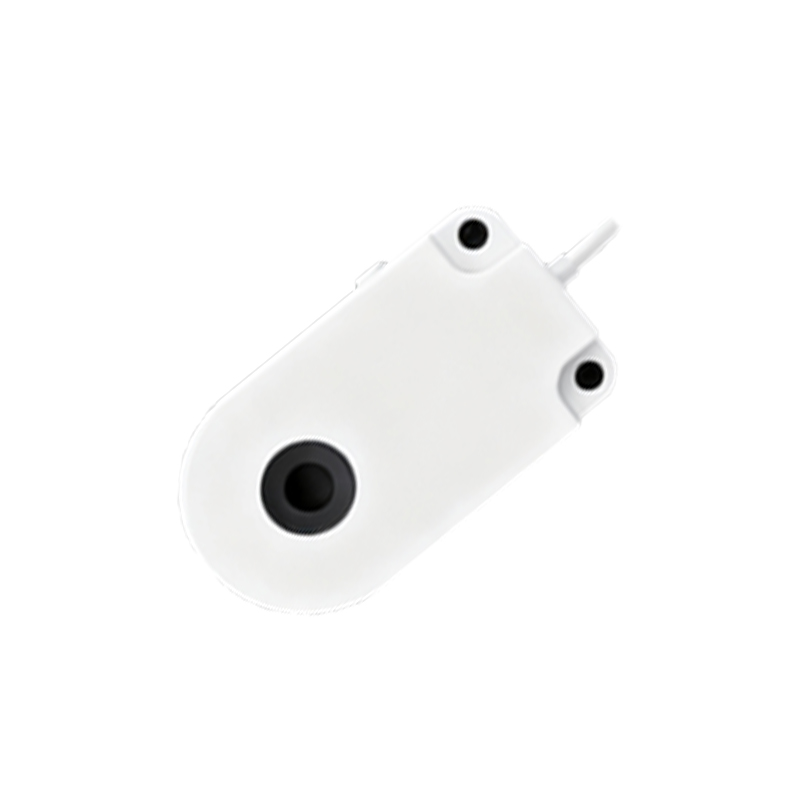
The applications of front cover proximity sensors are vast and diverse. In the consumer electronics sector, they are integral to devices like laptops, printers, and high-end home appliances. In a laptop, a sensor might detect whether the lid is closed, triggering sleep mode to conserve battery life. In a laser printer, sensors ensure the toner cartridge cover is securely closed before operation, preventing laser exposure and toner spillage. The industrial domain relies heavily on these sensors for machine safety. On CNC machines, robotic cells, and assembly line equipment, they safeguard technicians by ensuring protective guards are in place before machinery can start. The automotive industry uses them in vehicle doors, hoods, and charging ports for electric vehicles, enabling features like interior light activation, safety warnings, and proper charging initiation only when the port cover is correctly engaged.
Selecting the right front cover proximity sensor requires careful consideration of several parameters. The sensing range, or the maximum distance at which the sensor can reliably detect the cover, is crucial. Environmental conditions are equally important; sensors in industrial settings may need high Ingress Protection (IP) ratings against water and dust, while those in consumer devices must be compact and cost-effective. Output type is another key factor, with common options being digital (e.g., NPN/PNP) or analog signals that interface directly with programmable logic controllers (PLCs) or microcontrollers. Finally, mounting style and physical dimensions must align with the mechanical design of the cover assembly.
Installation and maintenance are straightforward but vital for optimal performance. The sensor must be correctly aligned with the target (the cover or a trigger on the cover) to ensure consistent detection. Regular checks are recommended to clean the sensing face from oil, dirt, or metal shavings that could interfere with its operation. While these sensors are designed for durability, their performance can degrade over time due to electrical noise, physical damage, or extreme temperature fluctuations. Troubleshooting often involves checking power supply, output wiring, and the physical gap between the sensor and its target.
Looking ahead, the evolution of front cover proximity sensors is intertwined with trends in miniaturization, connectivity, and intelligence. The integration of IO-Link communication allows sensors to provide not just a simple on/off signal but also diagnostic data, such as operating temperature, signal strength, and potential wear indicators, enabling predictive maintenance. Furthermore, as the Internet of Things (IoT) expands, these sensors will become data points in larger networked systems, contributing to smarter, more adaptive, and safer automated environments.
In conclusion, the front cover proximity sensor is a deceptively simple yet indispensable element in modern engineering. Its primary role in safety cannot be overstated, forming a fundamental barrier between humans and moving machinery. Beyond safety, it enables automation, enhances user experience, and contributes to the reliable operation of devices we interact with daily. As technology advances, these sensors will continue to evolve, becoming more integrated, communicative, and vital to the intelligent systems of the future.
SEO