In the world of industrial automation, manufacturing, and robotics, photoelectric proximity sensors are indispensable components. They detect the presence, absence, or distance of objects without physical contact, using a light transmitter and receiver. With countless brands and models flooding the market, a common and critical question arises: which photoelectric proximity sensor brand is truly the best? The answer is not a simple one, as the "best" choice is highly dependent on your specific application requirements, environmental conditions, and budget. This guide will navigate the key factors and leading contenders to help you make an informed decision.
First, it's crucial to understand that performance hinges on specifications. Key parameters include sensing range, response time, light source type (typically infrared, red, or laser), and output type (PNP/NPN, analog, IO-Link). A sensor perfect for detecting small components on a high-speed packaging line may be overkill and overpriced for a simple door-open detection task. Therefore, defining your needs is the essential first step.
When evaluating brands, several industry leaders consistently earn high marks for reliability, innovation, and global support.
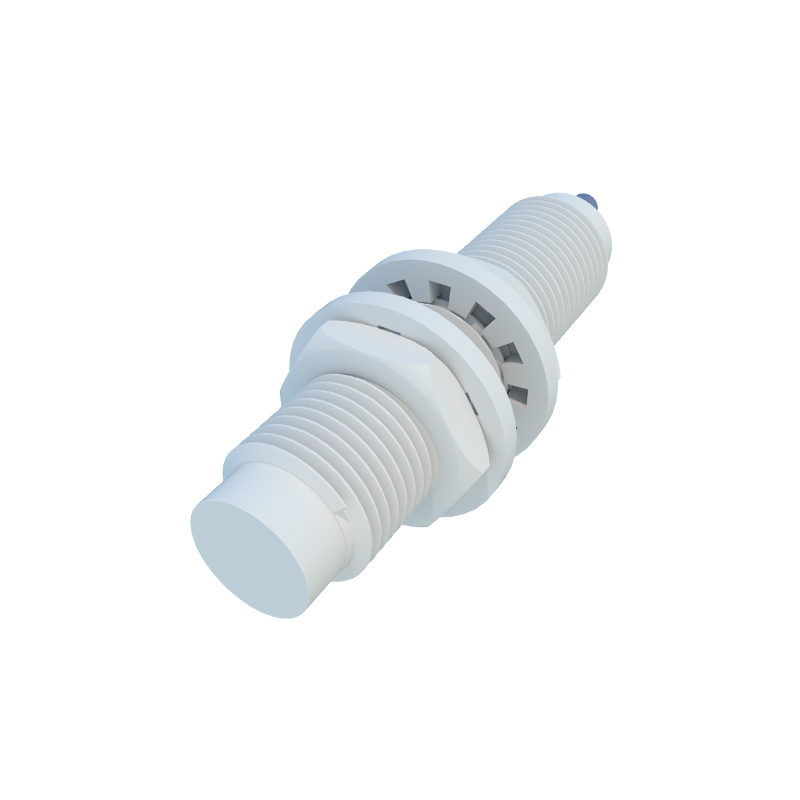
Omron is a powerhouse in automation, renowned for its extensive sensor portfolio. Their photoelectric sensors are celebrated for exceptional durability, advanced background suppression technology, and robust designs that withstand harsh environments like washdown areas. They offer a vast selection, from miniature models to long-range sensors, making them a versatile and trusted choice for complex applications.
Sick AG is another German-engineered leader synonymous with precision and high performance. Sick sensors are often the go-to solution for demanding tasks requiring extreme accuracy, long ranges, or specialized functions like contrast detection or precise distance measurement. Their products are frequently found in logistics, automotive, and advanced material handling systems where failure is not an option.
Keyence is famous for its cutting-edge technology and user-friendly designs. They push the envelope with innovative features like ultra-high-speed response, incredibly precise positioning capabilities, and sophisticated built-in amplifiers with intuitive setup tools. While often positioned at a premium price point, Keyence sensors offer top-tier performance for applications where precision and advanced functionality are paramount.
Balluff and ifm electronic are also major players known for their system integration capabilities and robust product lines. ifm, in particular, is praised for its consistent quality, straightforward installation, and excellent value across a broad range of industrial standards. Balluff excels in providing solutions for factory networking and Industry 4.0, with many sensors featuring IO-Link for enhanced data communication.
Banner Engineering is a North American leader that has built a strong reputation for providing reliable, high-quality sensors at competitive prices. They offer an incredibly wide array of photoelectric sensors, including many innovative and specialized form factors. Their products are known for being easy to apply and delivering consistent performance, making them a favorite among engineers and technicians.
Beyond the brand name, consider critical practical factors. Technical Support and Availability: A sensor is only as good as the support behind it. Consider local distributor networks, lead times for replacements, and the quality of application engineering support. Environmental Robustness: Will the sensor face dust, moisture, vibration, or temperature extremes? Look for IP (Ingress Protection) ratings like IP67 or IP69K for harsh conditions. Total Cost of Ownership: This includes not just the initial purchase price but also costs related to installation, maintenance, downtime, and ease of integration.
Ultimately, there is no single "best" brand for every situation. For heavy-duty automotive manufacturing, Omron or Sick might be the ideal fit. For a high-precision electronics assembly line, Keyence could be unmatched. For general-purpose manufacturing with a need for cost-effectiveness and reliability, Banner or ifm might be the perfect solution.
The most effective approach is to clearly define your application's technical requirements, environmental challenges, and budget constraints. Then, consult with technical specialists from reputable distributors of these leading brands. They can often provide sample units for testing in your actual application—the most reliable way to determine which photoelectric proximity sensor is truly the best for you. Investing time in this selection process ensures optimal performance, reduces downtime, and maximizes the return on your automation investment.