In today's smart home era, bathroom technology has evolved significantly, with toilet proximity sensors emerging as a key innovation. These sensors, often integrated into modern toilets or installed as separate devices, detect human presence and automate flushing mechanisms. The primary function is to enhance hygiene by eliminating the need for physical contact with flush handles or buttons, reducing the spread of germs and bacteria in restrooms.
Toilet proximity sensors typically utilize infrared (IR) or ultrasonic technology. Infrared sensors emit IR beams that reflect off objects, such as a person approaching or leaving the toilet area. When the sensor detects a change in the reflected signal—indicating movement within a preset range—it triggers the flush automatically. Ultrasonic sensors work similarly by emitting sound waves and measuring their return time. Both technologies are designed for accuracy, minimizing false triggers while ensuring reliable operation.

The installation of these sensors varies. Some are built into high-end toilet models, offering seamless integration with features like heated seats, bidet functions, and water-saving modes. Others are retrofit kits that can be added to existing toilets, making them accessible for home upgrades or commercial settings like offices, hotels, and public facilities. Installation usually involves mounting the sensor near the toilet bowl, connecting it to the flush valve, and adjusting sensitivity settings to match the environment.
Benefits of toilet proximity sensors extend beyond hygiene. They contribute to water conservation by ensuring flushes occur only when needed, preventing waste from accidental or repeated manual flushing. In commercial spaces, this can lead to significant cost savings on water bills. Additionally, these sensors improve accessibility for individuals with mobility issues or disabilities, as they require no physical effort to operate.
Maintenance is straightforward but essential for longevity. Sensors should be kept clean from dust and moisture buildup, which can interfere with detection. Most models are designed with waterproof ratings for bathroom conditions, and regular wiping with a soft cloth is sufficient. Battery-powered units may require periodic battery replacements, while hardwired versions connect directly to electrical systems for continuous power.
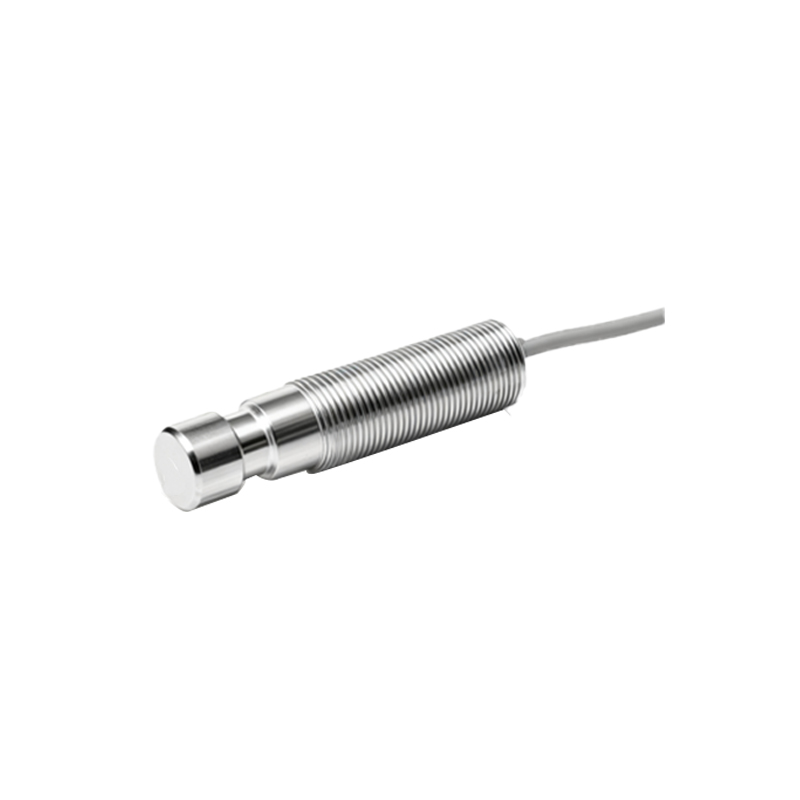
Despite advantages, challenges exist. Sensors can occasionally malfunction due to environmental factors like steam or direct sunlight, causing delayed or missed flushes. Choosing quality products from reputable brands and proper installation can mitigate these issues. Furthermore, some users may prefer manual control for personal habits, though many systems include override buttons for flexibility.
Looking ahead, innovations in toilet proximity sensors are leaning toward smarter integration. Future models may connect to home automation systems via Wi-Fi or Bluetooth, allowing users to monitor usage, adjust settings via smartphone apps, or receive maintenance alerts. Advances in AI could enable sensors to distinguish between different types of waste, optimizing flush strength for water efficiency.
In summary, toilet proximity sensors represent a practical advancement in bathroom technology, combining hygiene, convenience, and sustainability. As adoption grows in both residential and commercial sectors, they are set to become a standard feature in modern sanitation solutions, reflecting broader trends toward automated, eco-friendly living.