Proximity sensors are critical components in modern automation, robotics, and consumer electronics, enabling non-contact detection of objects. The manufacturing process of these sensors involves sophisticated techniques to ensure precision, reliability, and performance. This article explores the key steps and technologies involved in producing high-quality proximity sensors.
The manufacturing journey begins with the design and selection of materials. Common proximity sensor types include inductive, capacitive, ultrasonic, and optical sensors, each requiring specific materials. For inductive sensors, ferrite cores and copper coils are essential, while capacitive sensors use conductive plates and dielectric materials. Optical sensors rely on infrared LEDs and phototransistors. Material purity and consistency are vital to avoid performance variations.
The core component fabrication is a multi-stage process. For inductive sensors, coil winding is performed using automated machines that ensure precise turns and minimal wire tension. The coils are then encapsulated in epoxy resin to protect against moisture and mechanical stress. Capacitive sensor plates are typically etched from copper-clad substrates using photolithography, similar to printed circuit board (PCB) manufacturing. This process allows for miniaturization and consistent capacitance values.
Sensor assembly involves integrating components onto a substrate or housing. Surface-mount technology (SMT) is widely used to place micro-components like ICs, resistors, and LEDs onto PCBs. Automated pick-and-place machines ensure accurate positioning, followed by reflow soldering to create secure electrical connections. For harsh environments, sensors may undergo conformal coating—a thin polymer layer applied to protect against dust, chemicals, and humidity.
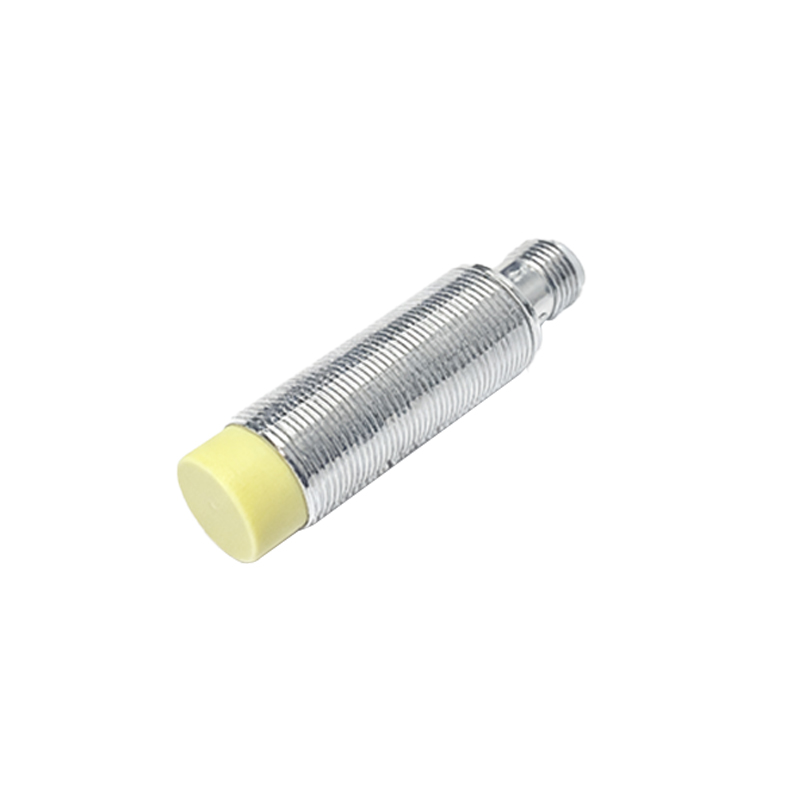
Calibration and testing are crucial phases. Each sensor is calibrated to detect objects within a specified range, adjusting sensitivity thresholds via embedded firmware. Testing includes functional checks, such as response time and detection accuracy, as well as environmental tests for temperature endurance and vibration resistance. Statistical process control (SPC) methods monitor production quality, reducing defect rates.
Advanced manufacturing trends include the use of MEMS (Micro-Electro-Mechanical Systems) for miniaturized sensors, particularly in consumer electronics. Laser trimming adjusts component values post-assembly for higher precision. Additionally, Industry 4.0 integration allows real-time production monitoring, predictive maintenance, and data-driven optimization.
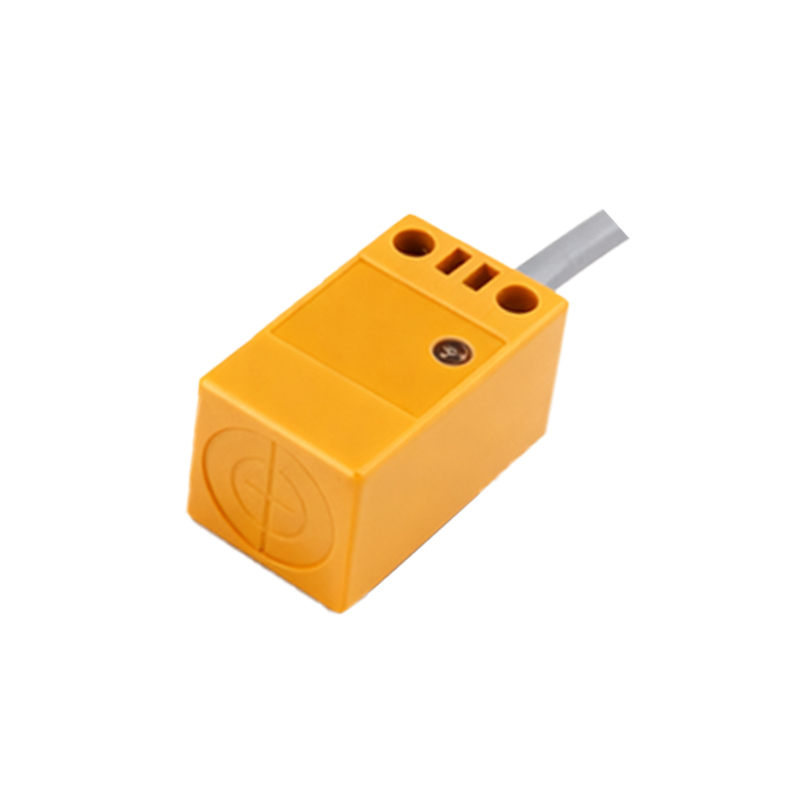
Quality assurance follows international standards like ISO 9001 and IEC 60947-5-2. Final packaging involves anti-static materials to prevent damage during shipping. The entire process emphasizes lean manufacturing to minimize waste and maximize efficiency.
In summary, proximity sensor manufacturing blends material science, precision engineering, and rigorous testing. As demand grows for smarter and smaller sensors, innovations in automation and nanotechnology will continue to refine these processes, enabling broader applications in industrial and consumer markets.