In the world of automation and smart technology, proximity sensors are the silent, unseen heroes. These devices detect the presence or absence of an object within a specific range without any physical contact. Their ability to provide reliable, non-contact detection makes them indispensable in countless industrial, commercial, and consumer applications. From the smartphone in your pocket to the massive assembly lines in automotive factories, proximity sensors work tirelessly to enable efficiency, safety, and innovation.
At their core, proximity sensors operate by emitting a field or beam of electromagnetic radiation or by using an electrostatic field. When an object enters this field, it causes a change in the signal. The sensor's circuitry detects this change and converts it into an electrical output signal, typically used to trigger an action, such as stopping a machine, counting an item, or turning on a display. The key advantage is the lack of physical contact, which eliminates mechanical wear and tear and allows for detection of fragile, delicate, or fast-moving objects.
There are several primary types of proximity sensors, each suited to different materials and environments. Inductive proximity sensors are among the most common. They generate an electromagnetic field and are exclusively used for detecting metallic objects. When a metal target enters the field, it induces eddy currents within the target, causing a change in the sensor's oscillation amplitude. This change is detected and processed. These sensors are robust, resistant to environmental factors like dust and moisture, and are staples in metalworking, machine tooling, and automotive manufacturing for tasks like part positioning and limit switching.
Capacitive proximity sensors, on the other hand, can detect both metallic and non-metallic materials, including liquids, powders, plastics, and wood. They work by generating an electrostatic field. Any object with a dielectric constant different from air will alter the capacitance of the sensing field, triggering detection. This makes them incredibly versatile for applications like liquid level sensing in tanks, material handling in food processing, or detecting the presence of a plastic bottle on a conveyor belt.
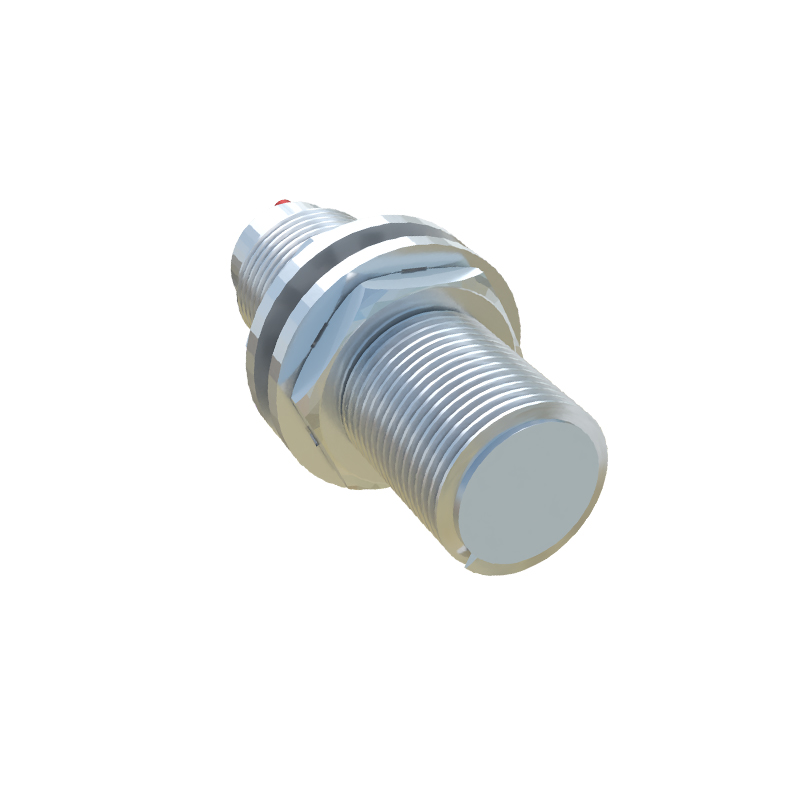
Ultrasonic proximity sensors use sound waves beyond the range of human hearing. They emit high-frequency acoustic pulses and measure the time it takes for the echo to return after bouncing off a target object. By calculating this time-of-flight, they can determine not just presence, but also distance. These sensors are excellent for challenging environments with dust, smoke, or varying light conditions, and are used in parking assist systems, collision detection, and bulk material level monitoring.
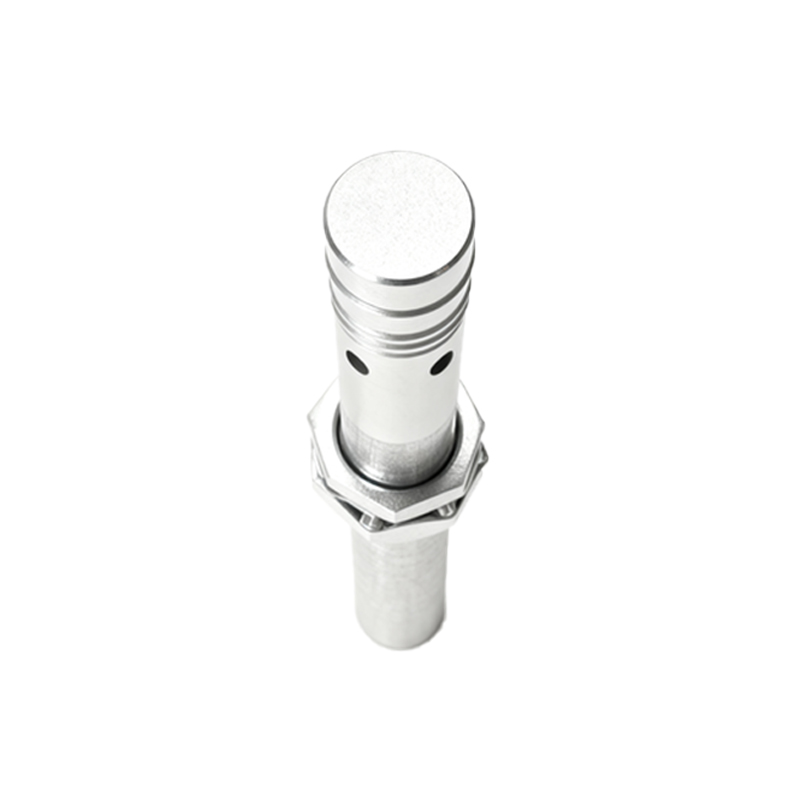
Photoelectric sensors, while sometimes categorized separately, function as proximity devices. They use a light emitter (usually LED or laser) and a receiver. When an object interrupts or reflects the light beam, the receiver detects the change. They offer the longest sensing ranges and can detect virtually any material, but their performance can be affected by environmental factors like color, transparency, and ambient light. Common uses include object detection on high-speed packaging lines, door control systems, and safety curtains.
The applications of proximity sensors are vast and growing. In industrial automation, they are critical for precise positioning, object counting, jam detection, and ensuring robotic arms operate within safe parameters. In the consumer electronics realm, they are what disable your smartphone's touchscreen when held to your ear during a call, conserving battery and preventing accidental inputs. In the automotive industry, they form the basis of parking sensors and blind-spot monitoring systems, enhancing driver safety. They are also fundamental to the Internet of Things (IoT), providing the essential data about object presence that drives smart systems in homes and cities.
Selecting the right proximity sensor requires careful consideration of several factors. The material of the target object is paramount—is it metal, plastic, liquid? The required sensing distance, or range, must be defined. Environmental conditions such as temperature, potential for washdowns, exposure to chemicals, or presence of electrical noise can dictate the sensor's housing material and protection rating (like IP67). Finally, the output type needed—digital (PNP/NPN) or analog—must match the control system it will interface with.
As technology advances, proximity sensors are becoming smarter, smaller, and more integrated. Modern sensors often include built-in diagnostics, IO-Link communication for parameter setting and data exchange, and enhanced resistance to interference. The future points toward sensors with embedded intelligence, capable of making basic decisions at the edge of the network, further streamlining complex automated processes.
In conclusion, proximity sensors are a foundational technology in our increasingly automated world. By understanding their different operating principles—inductive, capacitive, ultrasonic, and photoelectric—engineers and designers can select the optimal sensor to create systems that are safer, more efficient, and more responsive. Their non-contact nature ensures reliability and longevity, making them a small but crucial component in the vast machinery of modern industry and daily life.