In the realm of industrial automation, precision, reliability, and durability are non-negotiable. Among the myriad of components that ensure seamless operation, proximity sensors stand out as critical devices for non-contact detection. Specifically, SS proximity sensors, where 'SS' typically denotes 'Stainless Steel' housing, have become a cornerstone in harsh and demanding environments. This article delves into the technology, advantages, and diverse applications of these robust sensing solutions.
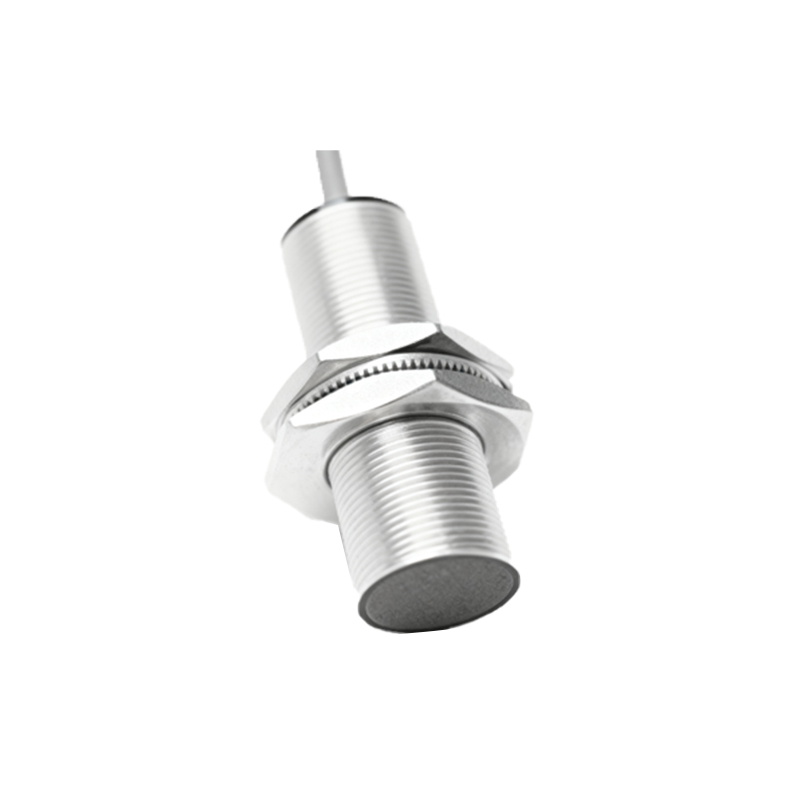
At their core, SS proximity switches are electronic sensors that detect the presence or absence of an object without physical contact. They operate by emitting an electromagnetic field or a beam of electromagnetic radiation (often infrared or inductive fields) and monitoring for changes in the field or return signal. The stainless steel housing is not merely a cosmetic feature; it provides exceptional protection. This robust construction shields the internal electronics from corrosive chemicals, extreme temperatures, physical impacts, and washdown procedures common in industries like food and beverage, pharmaceuticals, and chemical processing. The hermetic seal prevents ingress of liquids and dust, often meeting high Ingress Protection (IP) ratings such as IP67 or IP69K.
The primary working principle for most industrial SS proximity sensors is inductive sensing. These sensors generate an oscillating electromagnetic field from a coil in the sensing face. When a metallic object (the target) enters this field, eddy currents are induced in the target, which causes a change in the oscillation amplitude. The sensor's circuitry detects this change and triggers a solid-state switch output. This design offers several inherent benefits: no moving parts to wear out, incredibly fast response times (often in microseconds), and the ability to function reliably over millions of cycles.
Selecting the right SS proximity switch involves understanding key specifications. Sensing range, the maximum distance at which the sensor can reliably detect a standard target, is crucial. It is typically quite short for inductive sensors, ranging from a few millimeters to several centimeters. The choice between normally open (NO) and normally closed (NC) output configurations depends on the control logic required. Furthermore, factors like output type (PNP or NDC sourcing, NPN or NDC sinking), supply voltage compatibility (commonly 10-30V DC), and temperature operating range must align with the application's control system and environmental conditions.
The applications for stainless steel proximity sensors are vast and varied. In automotive manufacturing lines, they precisely detect the position of metal components like engine blocks, pistons, or chassis parts for robotic assembly and quality control. Packaging machinery relies on them to count cans, bottles, or packages, ensuring accurate filling and labeling. On conveyor systems, they serve as limit switches to detect the position of pallets or products, initiating or halting movement. In metalworking and machining centers, these sensors monitor tool presence, detect broken tools, or verify workpiece positioning, preventing costly collisions and downtime. Their washdown capability makes them ideal for dairy plants, breweries, and meat processing facilities, where hygiene is paramount and sensors are regularly exposed to caustic cleaning agents.
Installation and maintenance, while straightforward, require attention to detail. Proper mounting, ensuring the correct sensing distance and avoiding interference from surrounding metal (a phenomenon called flanking), is essential for optimal performance. While SS proximity sensors are designed for longevity, periodic checks for physical damage, buildup of debris on the sensing face, and verification of output signals are recommended as part of preventive maintenance.
In conclusion, SS proximity switches represent a perfect fusion of rugged physical design and sophisticated electronic sensing. Their stainless steel construction addresses the challenges of hostile industrial environments, while their non-contact inductive operation guarantees long-term accuracy and speed. For engineers and system integrators designing automated systems that demand resilience and precision, understanding and utilizing these sensors is a key step toward achieving operational excellence, reducing maintenance costs, and enhancing overall productivity. As industries continue to evolve towards smarter, more connected systems (Industry 4.0), the role of reliable, foundational components like the SS proximity sensor remains indispensable.