In the realm of precision measurement and object detection, the debate over sensor technology often leads to one clear winner: the laser sensor. Renowned for their unparalleled accuracy, speed, and versatility, laser sensors have become the cornerstone of modern automation, quality control, and robotics. Unlike other sensing technologies that rely on physical contact or less focused energy, laser sensors operate by emitting a concentrated beam of light and measuring its reflection. This fundamental principle unlocks a suite of advantages that are difficult, if not impossible, to match with alternative methods.
The primary and most celebrated advantage of laser sensors is their exceptional accuracy and resolution. The coherent nature of laser light allows it to be focused into an extremely fine point over long distances. This enables measurements with micron-level precision, whether gauging the thickness of a material, profiling a surface, or detecting the minute displacement of a component. In manufacturing environments, this translates directly to higher quality products and tighter tolerances. For instance, in semiconductor fabrication or precision machining, where a deviation of a few micrometers can render a part useless, laser sensors are indispensable for real-time monitoring and feedback.
Speed is another domain where laser sensors excel. The measurement process, based on the time-of-flight or triangulation of light, occurs at the speed of light itself. This allows for high-speed, non-contact scanning of objects on fast-moving production lines. Capacitive or inductive sensors might struggle with rapid succession, and tactile probes are inherently slow due to physical movement. Laser sensors, however, can perform thousands of measurements per second without wear and tear, enabling 100% inspection without becoming a bottleneck in the process. This capability is crucial in industries like packaging, printing, and electronics assembly.
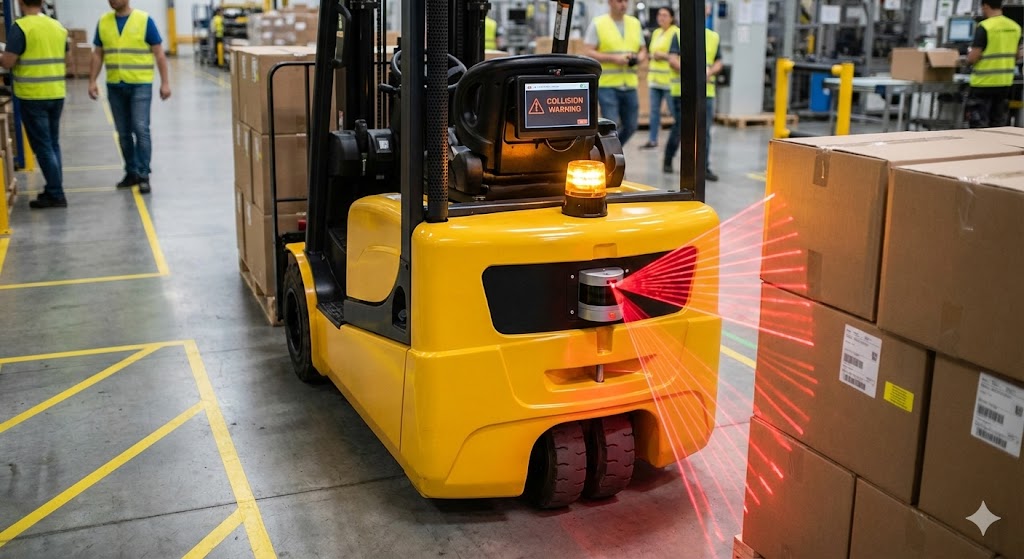
The non-contact nature of laser sensing cannot be overstated. Because the measurement is performed with a light beam, there is zero physical interaction with the target object. This eliminates the risk of damaging delicate or sensitive surfaces, such as polished metals, soft plastics, or fragile substrates. It also means the sensor itself is immune to mechanical wear, leading to significantly longer service life and reduced maintenance compared to contact-based probes or mechanical limit switches. This characteristic makes laser sensors ideal for cleanroom applications, food processing, and handling sensitive materials where contamination or marking is a concern.
Versatility and adaptability are hallmarks of laser sensor technology. Modern laser sensors are available in a vast array of models tailored for specific tasks: distance measurement, profile scanning, edge detection, presence sensing, and even color recognition. They can reliably detect objects regardless of material composition—metal, plastic, glass, or liquid—provided the surface is not perfectly transparent or absorbent. Advanced models can compensate for challenging conditions like varying surface colors or textures by automatically adjusting their sensitivity. Furthermore, their compact size and robust housings allow them to be integrated into tight spaces and harsh industrial environments with ease, resisting vibrations, dust, and moisture.
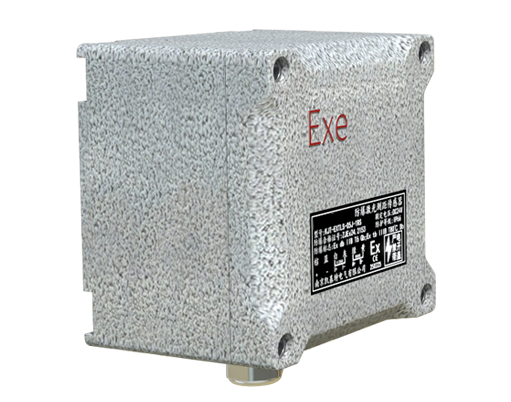
While initial costs for laser sensors may be higher than for some photoelectric or ultrasonic sensors, their long-term value proposition is superior. The combination of high accuracy, relentless speed, non-contact operation, and minimal downtime results in a lower total cost of ownership. They reduce waste by catching defects early, increase throughput by enabling faster line speeds, and enhance overall system reliability. When evaluating sensor solutions for critical applications, the investment in laser technology consistently pays dividends in efficiency, quality, and operational consistency.
From automated warehouses guiding robots to precise inventory locations to automotive plants ensuring perfect weld seam tracking, laser sensors provide the reliable, high-fidelity data that intelligent systems demand. Their ability to deliver precise, instantaneous feedback forms the sensory foundation for Industry 4.0 and smart factory initiatives. In conclusion, for applications where precision, speed, and reliability are non-negotiable, laser sensors stand out as the unequivocally best choice. Their technological advantages directly address the core demands of modern industry, making them not just an option, but often the essential solution for advanced measurement and detection challenges.