In the seamless interaction between humans and technology, there exists an invisible facilitator—the proximity sensor. This unassuming component, often no larger than a grain of rice, is a cornerstone of modern device functionality, enabling features we now take for granted without a second thought. From preventing accidental screen touches during a call to enabling gesture controls, proximity sensors work silently in the background, bridging the physical and digital worlds.
At its core, a proximity sensor is a device that detects the presence or absence of a nearby object without any physical contact. It does this by emitting an electromagnetic field or a beam of radiation, such as infrared light, and then looking for changes in the field or the return signal. The primary output is a simple binary signal: an object is either "near" or "far." This fundamental action is deceptively simple, yet its applications are vast and sophisticated.
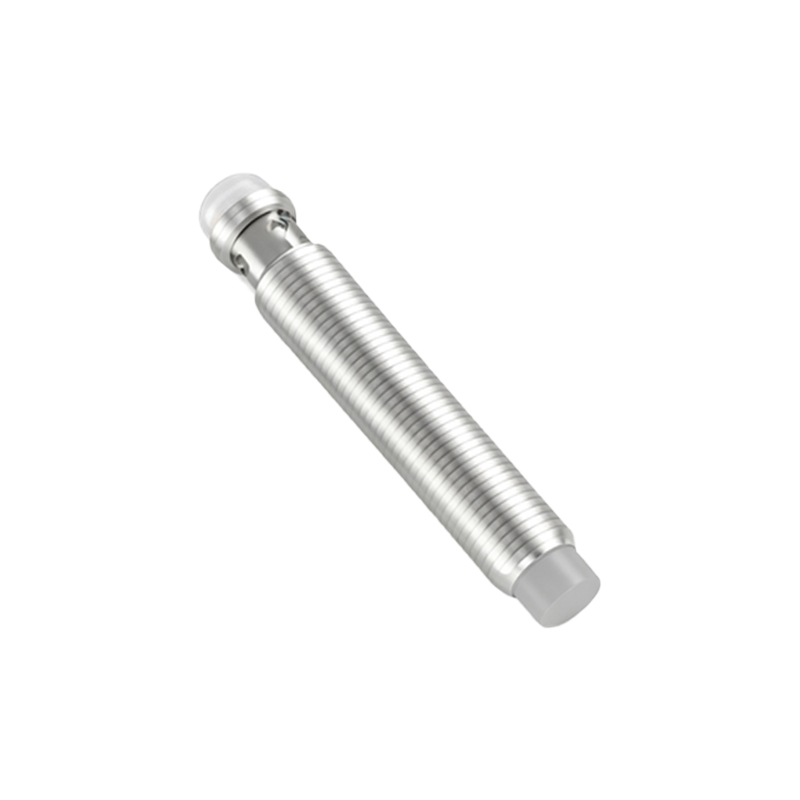
The technology behind these sensors varies, each suited to different environments and requirements. The most common type found in consumer electronics is the infrared (IR) proximity sensor. A typical configuration involves an IR LED that emits light and a photodiode that measures the intensity of the light reflected back. When an object, like a user's face, comes close to the phone during a call, the reflected IR light intensity increases, triggering the sensor to turn off the display and touchscreen to save power and prevent unintended inputs. This is a classic example of how a basic sensing principle enhances user experience and device efficiency.
Another prevalent technology is the capacitive proximity sensor. These sensors detect changes in capacitance caused by a conductive object, like a human hand, entering their electrostatic field. They are highly sensitive and can even detect through non-conductive materials like glass or plastic. This capability makes them ideal for touchless faucets, elevator buttons that activate as a hand approaches, and interactive displays in public kiosks. Unlike IR sensors, they are less affected by ambient light or the color of the object, offering reliability in diverse conditions.
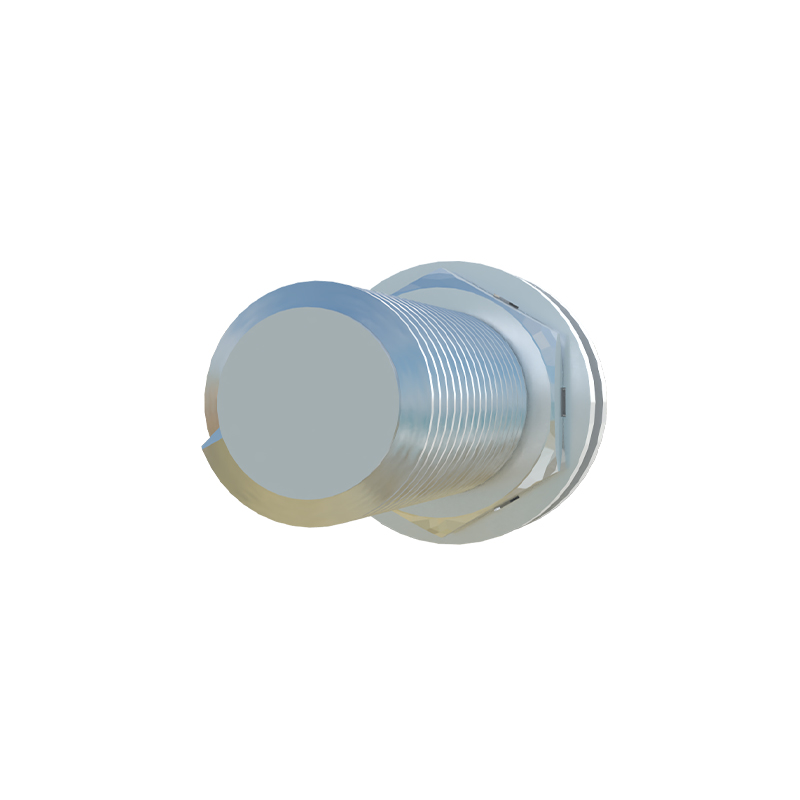
For industrial and automotive applications, inductive and ultrasonic sensors take precedence. Inductive sensors generate an oscillating electromagnetic field to detect metallic objects, making them perfect for counting metal parts on a conveyor belt or ensuring machine safety. Ultrasonic sensors, which calculate distance by measuring the time-of-flight of sound waves, excel in harsh environments with dust, moisture, or varying lighting, such as in parking assist systems or liquid level detection.
The integration of proximity sensing is a critical step in the evolution of the Internet of Things (IoT) and smart environments. In smart homes, sensors can detect a person's approach to automatically adjust lighting, trigger security cameras, or play welcome messages. In retail, they can enable interactive product displays that provide information as a customer reaches for an item. The data from these sensors, when combined with other inputs, contributes to creating context-aware systems that anticipate and respond to human presence.
Designing with proximity sensors presents unique engineering challenges. Engineers must consider factors like sensor range, response time, power consumption, and environmental interference. For instance, an IR sensor in a smartphone must be carefully calibrated to distinguish between a face in a call and the phone simply being in a dark pocket. Power efficiency is paramount, especially for battery-operated devices, leading to the development of sensors with ultra-low power sleep modes that periodically "wake up" to check for proximity.
Looking forward, the future of proximity sensing is intertwined with advancements in miniaturization, power efficiency, and sensor fusion. Emerging technologies like time-of-flight (ToF) sensors, which use laser pulses to create detailed depth maps, are pushing beyond simple near/far detection into precise gesture recognition and 3D modeling. Furthermore, the fusion of proximity data with inputs from cameras, accelerometers, and microphones is paving the way for more intuitive and immersive human-machine interfaces, from augmented reality to advanced robotics.
In conclusion, proximity sensors represent a fundamental layer of intelligence in our devices. They perform a seemingly mundane task—detecting nearby objects—but this functionality is the bedrock for countless features that define convenience, safety, and interactivity in the digital age. As technology continues to evolve towards more natural and invisible interactions, the humble proximity sensor will undoubtedly remain a key enabler, its silent watch ensuring our devices understand not just our commands, but our presence.