A laser pointer sensor is a compact device that projects a visible laser beam to detect, measure, or indicate positions, movements, or alignments. Unlike simple presentation pointers, these sensors integrate photodetectors or imaging systems to capture the laser's interaction with a target. They are widely valued for precision, responsiveness, and versatility across industrial, commercial, and research fields.
The core mechanism involves emitting a focused laser beam—typically red, green, or blue—toward a target surface. The reflected or scattered light is then captured by a built-in sensor, such as a photodiode or CMOS camera. By analyzing changes in the beam's position, intensity, or pattern, the device can determine parameters like distance, displacement, vibration, or even surface defects. Common configurations include through-beam sensors, where the beam travels from emitter to a separate receiver, and reflective sensors, which use a single unit to both emit and detect the beam.
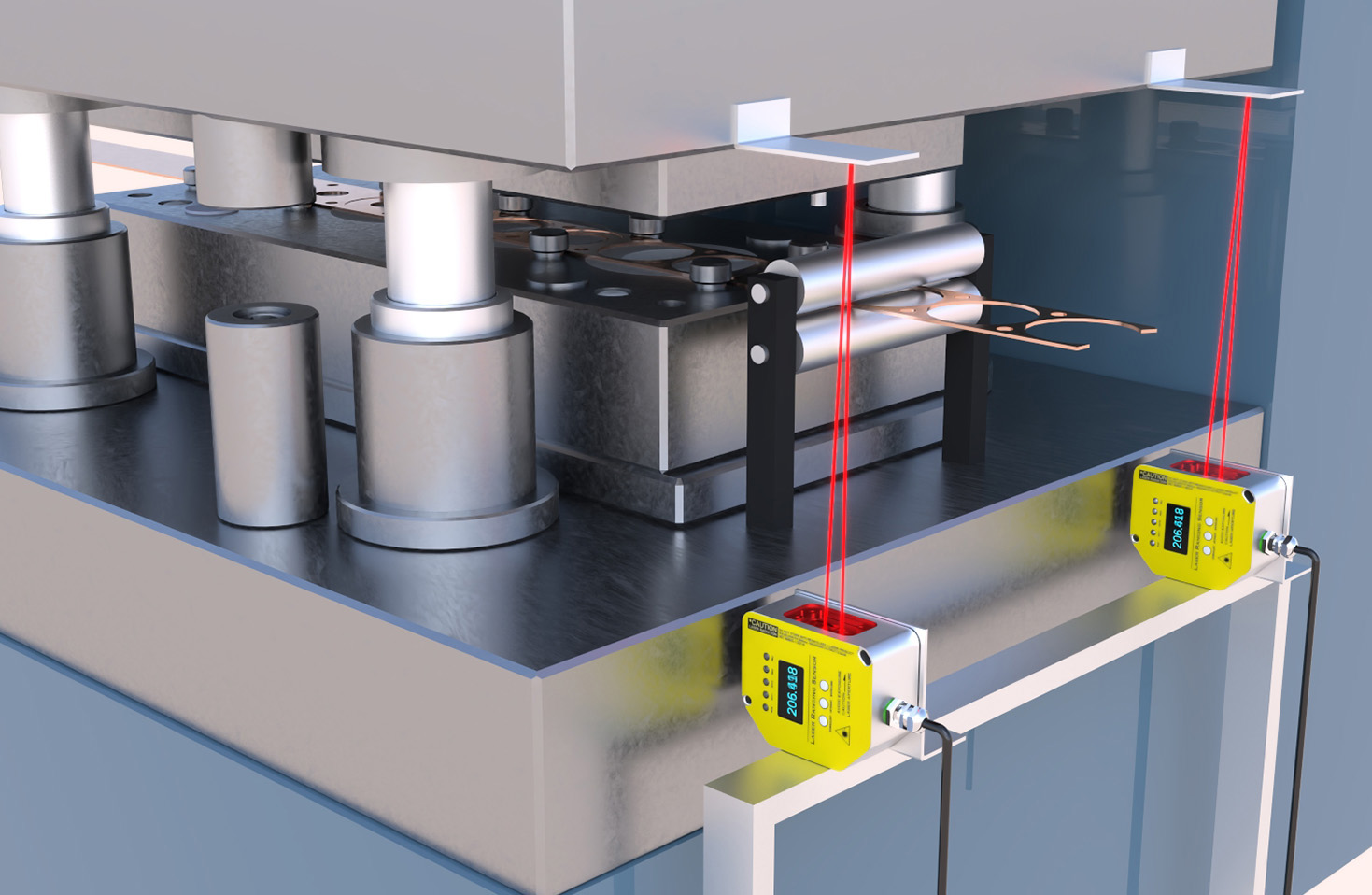
Industrial automation heavily relies on laser pointer sensors for tasks requiring micron-level accuracy. In manufacturing lines, they perform non-contact inspection of component dimensions, detect minute cracks or contaminants, and monitor alignment in assembly processes. For example, in semiconductor fabrication, sensors guide robotic arms to position wafers precisely. Similarly, in automotive production, they ensure parts like engine components are mounted within tight tolerances. Their ability to operate in harsh environments—resisting dust, moisture, or temperature fluctuations—makes them ideal for quality control.
Beyond factories, these sensors enable innovative applications. In construction and civil engineering, laser pointers paired with detectors help align structures, measure levelness, or monitor structural deformations over time. Medical devices incorporate them for diagnostic tools, such as guiding surgical instruments or tracking eye movements in ophthalmology. Even everyday gadgets, like barcode scanners and gesture-controlled interfaces, utilize miniature laser sensors to interpret spatial data.

Advancements in laser diode and detector technology have driven the evolution of these sensors. Modern versions offer higher beam stability, lower power consumption, and integration with IoT systems for real-time data analytics. Some models include safety features like automatic shut-off to prevent accidental exposure, adhering to international standards (e.g., IEC 60825). However, challenges remain, such as interference from ambient light or the need for calibration on reflective surfaces.
Looking ahead, trends point toward miniaturization and smarter functionality. Researchers are developing ultra-compact sensors for wearable tech and drones, while AI-enhanced models can learn from environmental patterns to improve accuracy. As industries embrace automation and precision-driven solutions, laser pointer sensors will continue to be pivotal tools, bridging the gap between simple indication and sophisticated measurement.
In summary, laser pointer sensors transform a basic beam into a dynamic sensing tool. Their blend of simplicity and high performance supports diverse sectors, from tightening manufacturing standards to enabling next-generation innovations. By understanding their principles and applications, users can leverage these devices to enhance efficiency, safety, and creativity in their projects.
