In the intricate world of industrial automation and machinery, proximity sensors serve as the silent sentinels. These non-contact devices detect the presence or absence of objects with remarkable precision, forming the backbone of countless processes from assembly lines to robotic arms. However, their reliability is perpetually under threat from the very environments they operate in. This is where the often-overlooked yet critical component comes into play: the proximity sensor protective cover.
A proximity sensor protective cover is a specialized shield designed to encase and safeguard the sensor's active face and, in some cases, its body. Its primary function is not to enhance the sensor's detection capabilities but to preserve them. Without adequate protection, sensors are vulnerable to a host of damaging factors that can lead to premature failure, inaccurate readings, costly downtime, and safety hazards.
The threats are numerous and varied. Physical impact from tools, falling debris, or accidental collisions during maintenance can crack casings or misalign components. Abrasive materials like metal shavings, wood dust, or granular substances can scour the sensor lens, gradually attenuating the sensing signal until it becomes unreliable. In machining and welding applications, spatter—molten droplets of metal—can adhere to the sensor face, creating a permanent barrier that blocks detection. Coolants, oils, solvents, and aggressive cleaning chemicals can degrade sensor housing materials, corrode electrical connections, or seep into internal electronics. Even high-pressure washdowns, common in food and beverage or pharmaceutical industries, can force moisture past seals if the sensor isn't properly shielded.
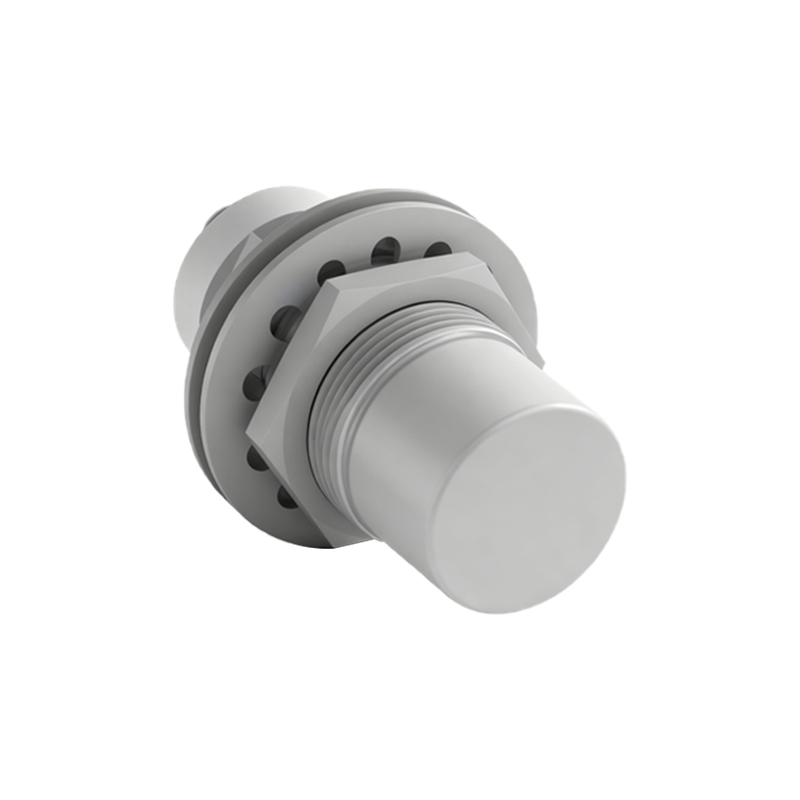
Selecting the right protective cover is therefore a decision of paramount importance, contingent on a detailed analysis of the application's specific threats. The first consideration is the material. Common options include:
Stainless Steel: Offers superior resistance to physical impact, corrosion, and high temperatures. Ideal for heavy-duty machining, welding zones, and harsh washdown environments.
Engineering Plastics (e.g., PEEK, PVDF): Provide excellent chemical resistance, are electrically non-conductive, and are often used in areas with exposure to acids, alkalis, or solvents.
Polyurethane or Rubber: Effective for damping vibration, resisting abrasion from particulate matter, and providing a degree of flexibility.
The design of the cover is equally crucial. A basic face shield is a simple plate or dome that protects only the sensing surface from frontal attacks. A full enclosure or boot encapsulates the entire sensor, offering comprehensive protection from all directions, suitable for environments with omnidirectional threats like blowing sand or pervasive dust. For sensing in extreme conditions, welding spatter guards are designed with a non-stick coating (often ceramic or PTFE-based) that prevents molten metal from adhering, allowing spatter to be easily brushed off.
A critical technical parameter that cannot be compromised is the reduction factor. Every protective cover placed in front of a sensor attenuates its electromagnetic or ultrasonic field to some degree. Manufacturers specify a reduction factor (e.g., 0.7, 0.5) which indicates the proportion of the original sensing range that remains effective. For instance, a sensor with a 10mm nominal range fitted with a cover having a 0.5 reduction factor will have a functional range of only 5mm. This must be meticulously calculated during system design to ensure the protected sensor can still reliably detect the target at the required distance. Ignoring the reduction factor is a common pitfall leading to system malfunctions.
Installation and maintenance form the final pillar of effective protection. Covers must be mounted securely to prevent displacement, which could create unprotected gaps or alter the reduction factor. Their seals and integrity should be included in regular preventive maintenance checks. A damaged or heavily contaminated cover must be cleaned or replaced promptly; a compromised shield offers a false sense of security.
In conclusion, the proximity sensor protective cover is a quintessential example of a simple solution preventing complex problems. It is an investment in longevity, reliability, and total cost of ownership. By carefully evaluating the environmental hazards, selecting a cover with the appropriate material and design, accounting for the reduction factor, and committing to proper maintenance, engineers and maintenance professionals can ensure these vital electronic sentinels continue to perform flawlessly, safeguarding both the process and the productivity of the entire operation.