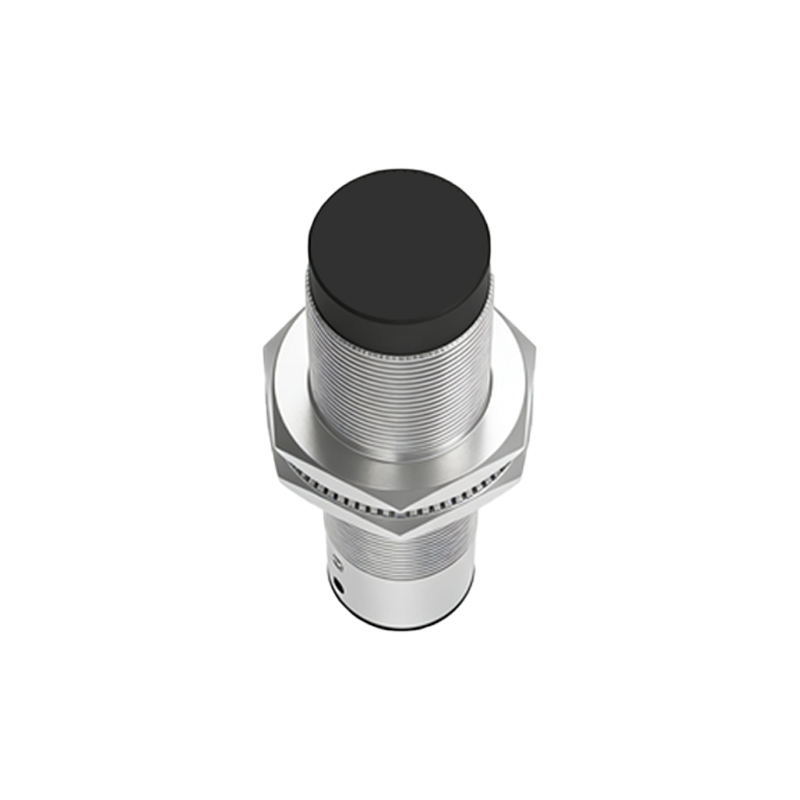
In modern aquaculture and marine research, maintaining optimal conditions for fish health and behavior monitoring is crucial. Fish proximity sensors have emerged as essential tools, providing real-time data on fish movement, density, and activity without direct human intervention. These sensors utilize advanced technologies such as acoustic, optical, or infrared systems to detect the presence and proximity of fish in water environments. By offering non-invasive monitoring, they minimize stress on aquatic life while ensuring accurate data collection for various applications.
The primary function of fish proximity sensors is to track fish behavior in controlled environments like fish farms, hatcheries, or research tanks. In aquaculture, these sensors help optimize feeding schedules by detecting when fish are most active, reducing feed waste and improving growth rates. They also monitor fish density to prevent overcrowding, which can lead to disease outbreaks or poor water quality. For marine biologists, proximity sensors aid in studying migratory patterns, social interactions, and responses to environmental changes in natural habitats. This data contributes to conservation efforts and sustainable fishing practices.
Technologically, fish proximity sensors operate on different principles. Acoustic sensors emit sound waves that bounce off fish, measuring distance based on echo return time. Optical sensors use light beams to detect movement, while infrared sensors rely on heat signatures. Each type has specific advantages; for instance, acoustic sensors perform well in murky water, whereas optical sensors offer high precision in clear conditions. Modern sensors often integrate with IoT (Internet of Things) platforms, enabling remote monitoring via smartphones or computers. This connectivity allows farmers and researchers to receive instant alerts for anomalies, such as sudden changes in fish activity that might indicate health issues.
The benefits of using fish proximity sensors extend beyond data accuracy. In aquaculture, they enhance operational efficiency by automating processes like feeding or water quality management. This reduces labor costs and human error, leading to higher profitability. Environmentally, these sensors support sustainable practices by minimizing resource waste and preventing ecological damage from overstocking. In research, they provide insights into fish welfare, helping develop better husbandry techniques and policies for marine protection.
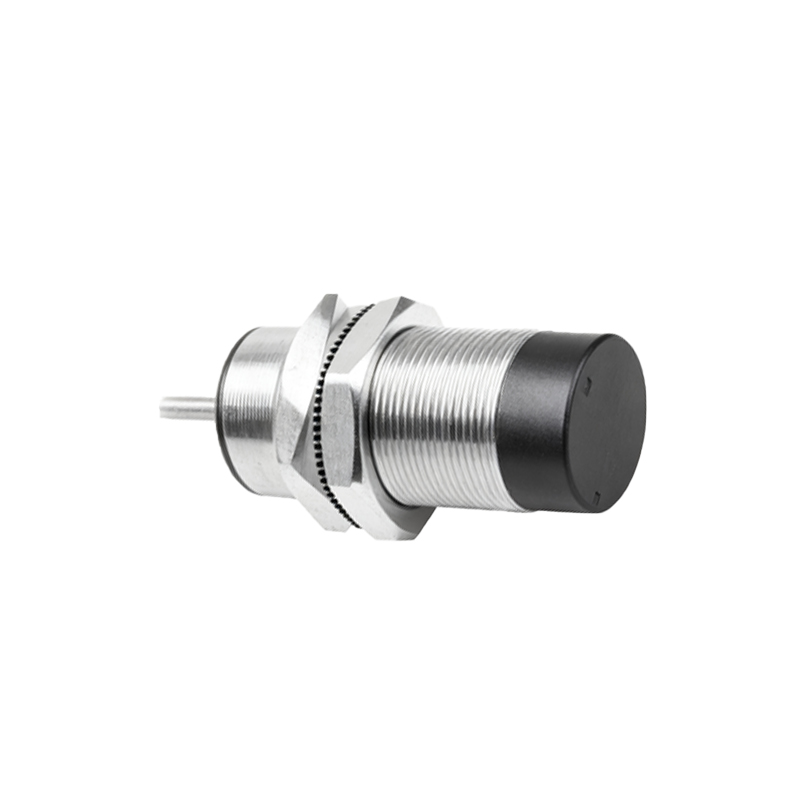
Despite their advantages, challenges remain in deploying fish proximity sensors. Calibration for different fish species or water conditions can be complex, requiring technical expertise. Costs may be prohibitive for small-scale operations, though prices are decreasing as technology advances. Future developments aim to improve sensor durability, battery life, and AI-driven analytics for predictive modeling. As the global demand for seafood rises, these innovations will play a key role in ensuring food security and ocean health.
Overall, fish proximity sensors represent a significant advancement in aquatic management. By bridging technology and ecology, they empower industries and scientists to make informed decisions, fostering a balance between economic growth and environmental stewardship. As adoption grows, these tools will continue to evolve, offering smarter solutions for a blue economy.