In industrial automation and control systems, sensors play a pivotal role in detecting objects, measuring distances, and ensuring precise operations. Among the most widely used types are photoelectric sensors and proximity sensors. While both serve the fundamental purpose of object detection, they operate on distinct principles and are suited to different applications. Understanding their differences is crucial for selecting the right sensor for a specific task, optimizing performance, and enhancing system reliability.
Photoelectric sensors function by emitting a beam of light—typically infrared, visible red, or laser—and detecting changes in the light received. They consist of a transmitter (light source) and a receiver. When an object interrupts or reflects the light beam, the sensor triggers an output signal. These sensors are categorized into three main types based on their sensing methods: through-beam, retro-reflective, and diffuse reflective. Through-beam sensors have separate transmitter and receiver units placed opposite each other; detection occurs when an object breaks the beam. Retro-reflective sensors use a single unit that emits light toward a reflector, detecting objects when the reflected beam is interrupted. Diffuse reflective sensors rely on light bouncing off the target object itself, making them suitable for detecting objects at varying distances without a separate reflector.
Proximity sensors, on the other hand, detect the presence of nearby objects without any physical contact. They operate based on electromagnetic fields or capacitive effects. The most common type is the inductive proximity sensor, which generates an electromagnetic field and detects changes caused by metallic objects. Capacitive proximity sensors can detect both metallic and non-metallic materials, including liquids and powders, by sensing changes in capacitance. Unlike photoelectric sensors, proximity sensors do not rely on light, making them immune to environmental factors like dust, fog, or ambient light interference.
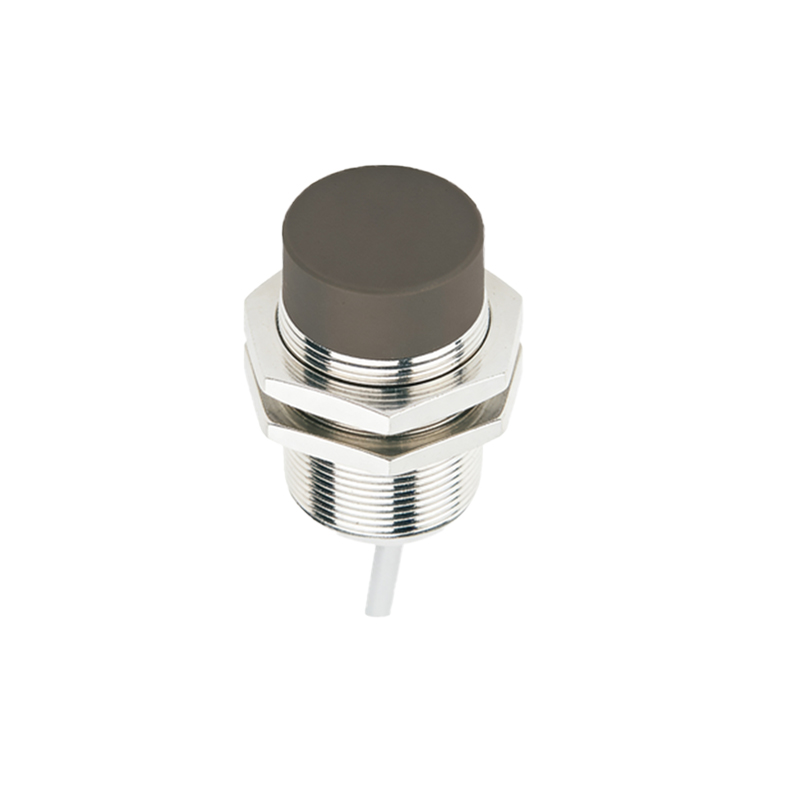
The choice between photoelectric and proximity sensors depends on several factors, including the material of the target object, detection range, environmental conditions, and required precision. Photoelectric sensors excel in long-range detection, capable of sensing objects several meters away. They are versatile in detecting various materials, regardless of color or composition, as long as the object affects the light beam. However, their performance can be compromised in dirty, dusty, or highly reflective environments where light scattering or blockage may occur. Applications include conveyor belt systems, packaging machinery, and object counting in manufacturing lines.
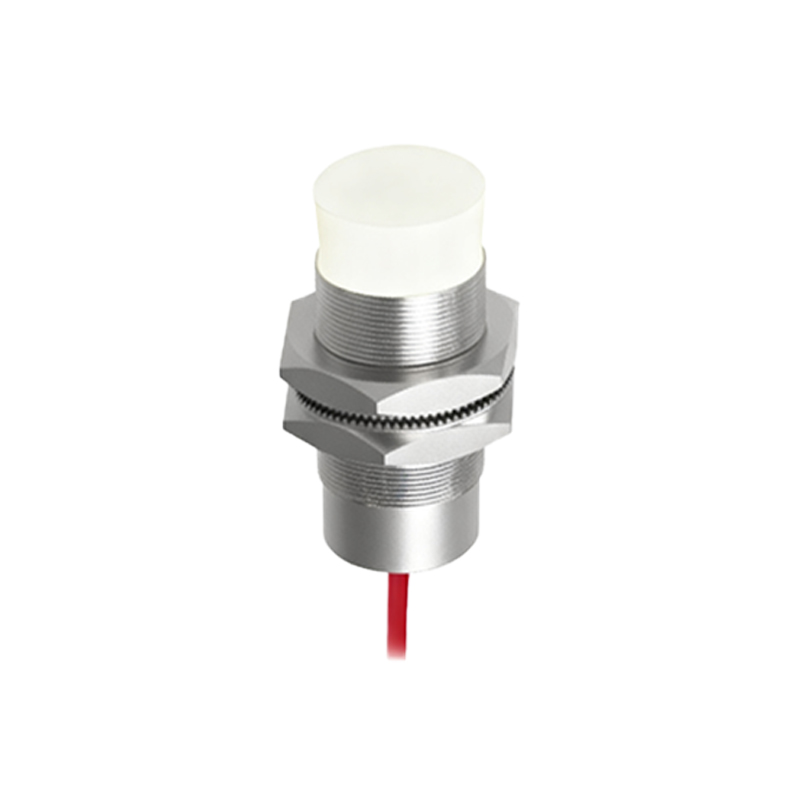
Proximity sensors are ideal for short-range detection, typically within a few centimeters to tens of centimeters. Inductive sensors are highly reliable for detecting metals in harsh industrial settings, such as metal stamping or automotive assembly, where oil, coolant, or debris are present. Capacitive sensors are used in level detection for tanks, material handling, and touch-sensitive interfaces. Their non-contact nature reduces wear and tear, ensuring longevity in high-cycle operations. A key advantage is their insensitivity to environmental contaminants, though they may be affected by strong electromagnetic interference.
In practice, integrating both sensor types can optimize complex automation systems. For instance, a production line might use photoelectric sensors to detect products on a conveyor from a distance, while proximity sensors monitor the position of metal components in robotic arms. Regular maintenance, such as cleaning lenses for photoelectric sensors or checking alignment for proximity sensors, is essential to sustain accuracy.
Technological advancements continue to enhance these sensors. Modern photoelectric sensors feature background suppression, which ignores reflections from distant objects, and fiber-optic models for confined spaces. Proximity sensors now offer analog outputs for distance measurement and robust designs for extreme temperatures. When selecting a sensor, engineers must consider not only the immediate application but also factors like response time, output type (digital or analog), and compatibility with control systems.
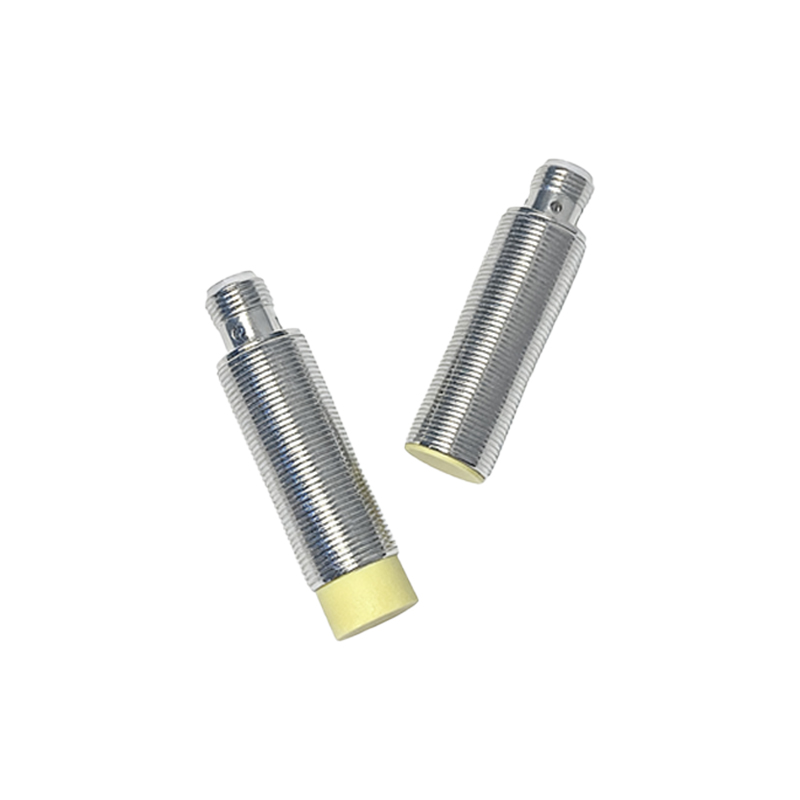
Ultimately, photoelectric and proximity sensors are complementary tools in automation. By leveraging their unique strengths—photoelectric sensors for versatility and range, proximity sensors for durability and precision in harsh conditions—industries can achieve efficient, reliable, and cost-effective operations. As automation evolves, the synergy between these sensors will drive innovation in smart manufacturing, logistics, and beyond.