In the demanding world of industrial automation, where machinery operates in harsh environments filled with dust, moisture, and mechanical stress, the choice of sensing components is critical. Among the various options available, proximity sensors housed in brass enclosures have carved out a significant niche, prized for their exceptional durability and reliable performance. These sensors are not merely components; they are robust guardians of process integrity.
The primary advantage of a brass housing lies in its material properties. Brass, an alloy of copper and zinc, offers a unique combination of strength, corrosion resistance, and machinability. Unlike plastic housings that can crack under impact or in extreme temperatures, brass provides superior mechanical protection for the sensitive electronic components inside the sensor. This ruggedness makes brass-housed sensors ideal for applications in heavy industries such as metalworking, automotive manufacturing, and material handling, where they are frequently exposed to flying debris, vibrations, and accidental impacts.
Furthermore, brass exhibits excellent resistance to corrosion from many industrial chemicals, oils, and coolants. This is a crucial feature in environments like machining centers or wash-down areas in food and beverage processing, where sensors are constantly exposed to corrosive substances. The brass housing acts as a shield, preventing internal damage and ensuring long-term operational stability. Many brass housings are also plated with nickel or other finishes to enhance this corrosion resistance further and provide a smoother surface for easier cleaning.
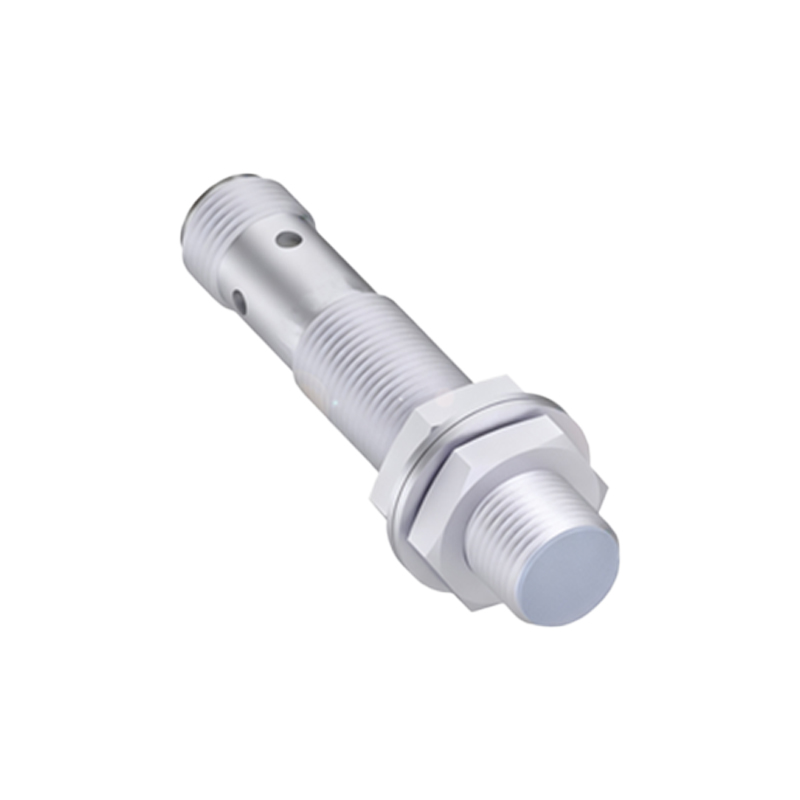
The functionality of a brass-housed proximity sensor remains rooted in its non-contact sensing principle. Typically employing an inductive sensing technology, these sensors generate an electromagnetic field. When a metallic target object enters this field, it causes a change in the oscillation amplitude, which the sensor's circuitry detects, triggering a solid-state output signal. The brass housing does not interfere with this electromagnetic field, allowing for precise and consistent detection of ferrous and non-ferrous metals. Common configurations include cylindrical threaded barrels (e.g., M8, M12, M18, M30 sizes) and rectangular shapes, offering flexible mounting options to suit diverse mechanical designs.
Applications for these robust sensors are extensive. They are indispensable for precise position detection of metal parts on assembly lines, monitoring the presence or absence of components, counting metal objects on conveyors, and serving as end-of-travel limit switches in automated machinery. Their resilience makes them perfect for use in CNC machine tools to detect tool position or workpiece presence. In hydraulic systems, they can monitor piston rod position reliably despite exposure to high pressures and fluid contaminants.
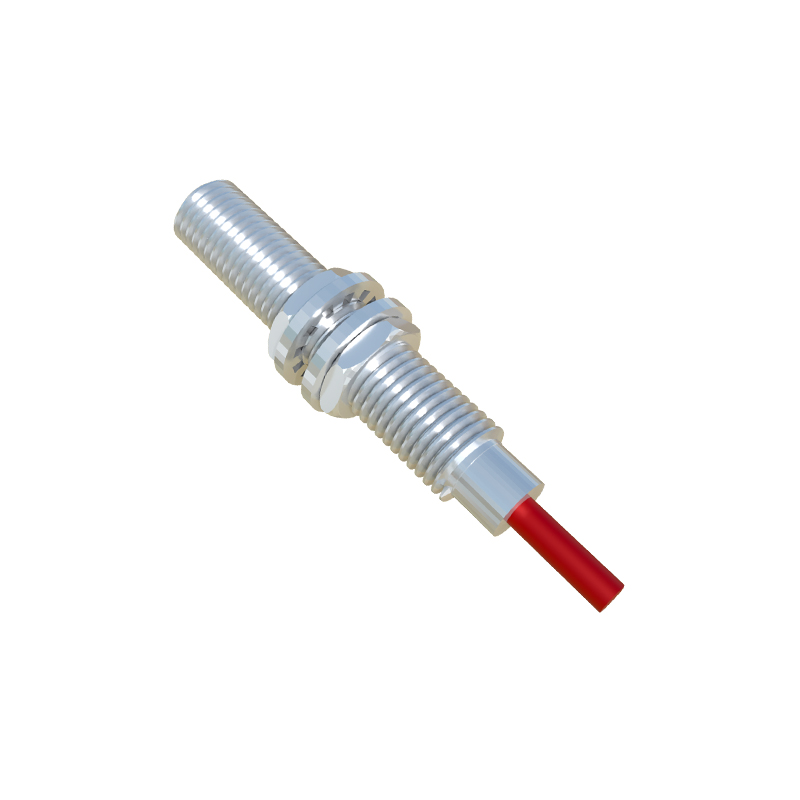
When selecting a brass-housed proximity sensor, several technical specifications require careful consideration. Sensing range, which is typically shorter than equivalent sensors in plastic housings due to the metal's shielding effect, must be chosen appropriately for the application. The sensor's electrical output (PNP/NPN, NO/NC) must be compatible with the programmable logic controller (PLC) or other control system. Operating temperature range, ingress protection (IP) rating (often IP67 or higher, indicating dust-tight and protection against temporary immersion), and supply voltage are other vital parameters. The threaded brass body usually features standard metric threads, allowing for easy installation into matching tapped holes or mounting brackets.
Installation and maintenance are straightforward but crucial for optimal performance. Ensuring a proper mounting with adequate clearance from surrounding metal structures (to avoid false triggering) is essential. While the brass housing is tough, regular visual inspection for physical damage or excessive buildup of contaminants is recommended. Cleaning the sensing face with a soft cloth ensures no loss of sensitivity. Their inherent durability often translates to lower total cost of ownership, despite a potentially higher initial purchase price compared to plastic variants, due to reduced downtime and replacement frequency.
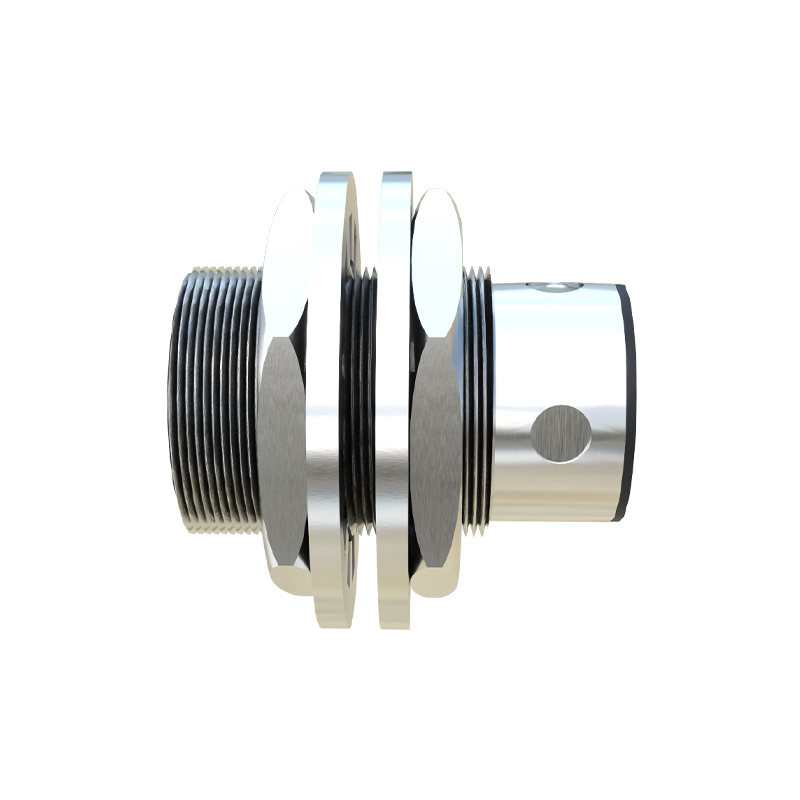
In conclusion, brass housing proximity sensors represent a fusion of robust physical protection and reliable electronic sensing. They are engineered for scenarios where failure is not an option. By choosing a sensor with a brass enclosure, engineers and maintenance professionals invest in a component that withstands the test of time and harsh conditions, ensuring continuous, accurate, and safe operation of automated industrial systems. Their continued prevalence is a testament to their proven value in keeping the wheels of industry turning smoothly.