In today's rapidly advancing technological landscape, proximity sensors have become ubiquitous components, embedded in everything from smartphones and tablets to industrial machinery, automotive systems, and smart home devices. These small but sophisticated devices detect the presence or absence of nearby objects without physical contact, enabling countless automated functions. However, as electronic waste (e-waste) continues to be one of the fastest-growing waste streams globally, the responsible end-of-life management of these components, specifically proximity sensor recycling, has emerged as a critical environmental and economic imperative.
The lifecycle of a proximity sensor, like most electronics, often concludes with disposal. When discarded in landfills, these sensors contribute to soil and water contamination. They contain various materials, including precious metals like gold and silver in their circuitry, potentially hazardous substances such as lead in older solder, and rare earth elements. Improper handling can lead to these toxins leaching into the environment. Conversely, effective proximity sensor recycling recovers valuable materials, conserves natural resources by reducing the need for virgin mining, and prevents pollution. The process is a cornerstone of the circular economy model, which aims to keep products and materials in use for as long as possible.
The journey of a proximity sensor through a recycling facility is a meticulous process. It typically begins with collection and sorting. Sensors removed from devices are gathered and separated from other e-waste streams. The next crucial step is manual or automated dismantling. Given their small size and integration into larger assemblies, skilled technicians often carefully remove sensors from printed circuit boards (PCBs) or housing units. This step is vital for maximizing material recovery.
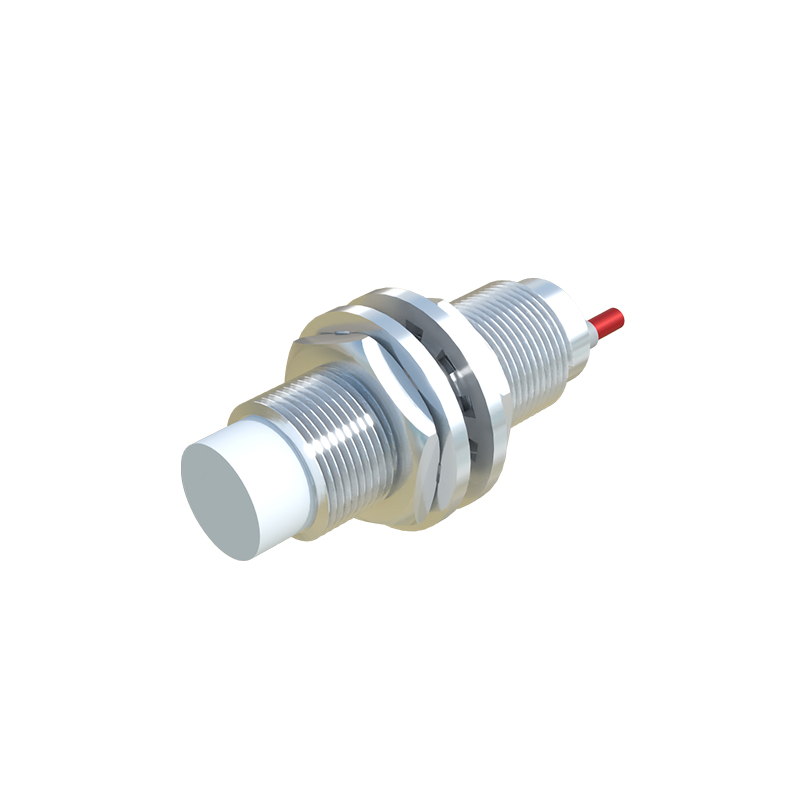
Following dismantling, the sensors undergo shredding or crushing to break them down into smaller fragments. These fragments then enter a sophisticated separation phase. Techniques such as magnetic separation remove ferrous metals, eddy current separation recovers non-ferrous metals like aluminum and copper, and advanced electrostatic separation can isolate different plastic polymers. For sensors on PCBs, further specialized processing like hydrometallurgical or pyrometallurgical treatment may be employed to dissolve and extract trace amounts of precious metals with high efficiency.
The benefits of a robust proximity sensor recycling ecosystem are multifaceted. From an environmental standpoint, it significantly reduces the carbon footprint associated with manufacturing new sensors from raw materials. Energy consumption for recycling metals is substantially lower than for primary production. Economically, it creates a domestic supply chain for critical raw materials, enhancing resource security and generating green jobs in the collection, processing, and resale sectors. Recovered metals and plastics can be reintroduced into the manufacturing of new electronic components, closing the material loop.
For businesses and organizations, developing a strategy for proximity sensor recycling is not just about regulatory compliance; it's a demonstration of corporate social responsibility (CSR) and sustainable practice. Manufacturers can design sensors with disassembly and recycling in mind—a concept known as Design for Environment (DfE). This involves using fewer material types, marking plastics for easy identification, and avoiding permanent adhesives. Companies upgrading their equipment should partner with certified e-waste recyclers who adhere to high environmental standards and provide documentation proving responsible downstream processing.
Individuals also play a key role. Consumers should avoid disposing of old electronics containing sensors with regular household trash. Instead, they should utilize take-back programs offered by retailers or manufacturers, or locate certified local e-waste drop-off centers. Awareness is the first step toward action.
The path forward for proximity sensor recycling hinges on innovation, policy, and collaboration. Advancements in automated sorting technologies, particularly using artificial intelligence and robotics, promise to make the disassembly of tiny components more efficient and cost-effective. Stronger extended producer responsibility (EPR) laws can compel manufacturers to fund and manage the collection and recycling of their products post-consumption. Ultimately, a collective effort from designers, producers, consumers, and recyclers is essential to build a sustainable system.
In conclusion, proximity sensor recycling is a specialized yet vital segment of the broader electronics recycling industry. It transforms a potential environmental liability into a source of valuable secondary raw materials. By prioritizing and investing in these processes, society can mitigate the impacts of e-waste, conserve precious resources, and move decisively toward a more sustainable and circular economic future for the electronics sector.