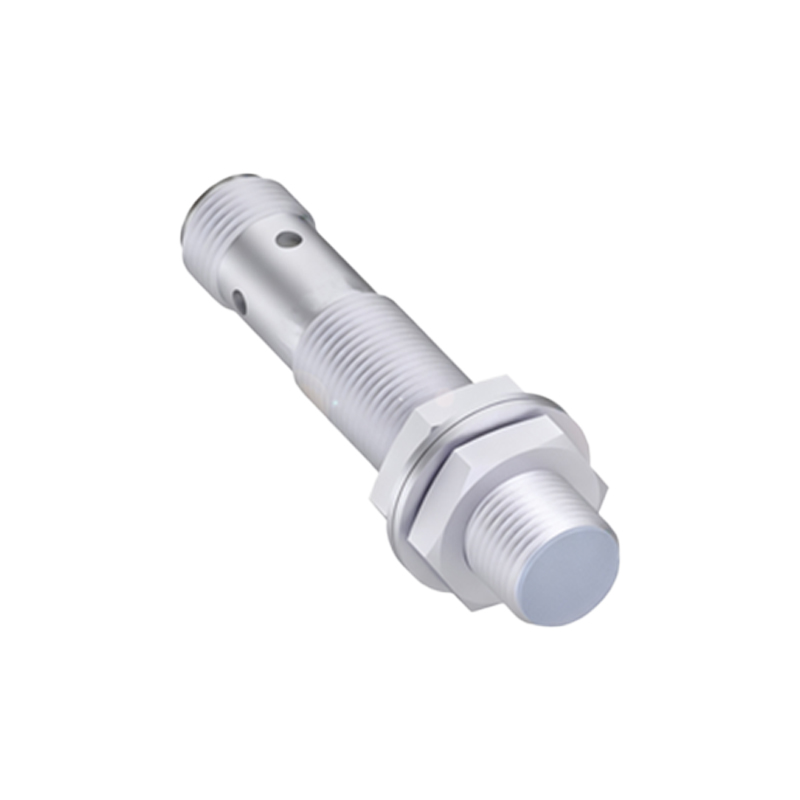
In the seamless dance of modern technology, where devices respond to our presence with intuitive grace, a silent yet powerful force is at work. These are high-tech proximity sensors, the unsung heroes embedded within the fabric of our daily digital interactions. Far from being simple on/off switches, these advanced components are sophisticated guardians, enabling a new era of efficiency, safety, and user experience.
At their core, proximity sensors are devices that detect the presence or absence of an object within a specific field without physical contact. The principle is deceptively simple: emit a field or a beam of energy and analyze the return signal or the changes in the field. However, the engineering behind today's high-tech variants is anything but basic. Modern sensors employ a diverse array of technologies, each tailored for specific applications and environments. Capacitive sensors, for instance, detect changes in an electrical field caused by conductive or even non-conductive materials, making them ideal for touch-sensitive interfaces in smartphones and tablets. Inductive sensors, on the other hand, are champions in industrial settings, reliably detecting metallic objects through robust electromagnetic fields, unaffected by dirt or oil.
The evolution towards true "high-tech" status is marked by significant advancements in precision, miniaturization, and intelligence. Ultrasonic sensors use sound waves beyond human hearing to measure distance with remarkable accuracy, guiding autonomous robots and enabling parking assist systems in vehicles. Photoelectric sensors, utilizing focused beams of light, can detect objects from millimeters to meters away and are critical in automated assembly lines. The latest frontier involves Time-of-Flight (ToF) sensors and advanced LiDAR modules. These systems emit pulsed light and measure the time it takes for reflections to return, creating detailed depth maps. This technology is what allows a smartphone to blur a portrait background perfectly or enables a robot vacuum to navigate a cluttered living room with newfound spatial awareness.
The applications of these invisible guardians are vast and transformative. In consumer electronics, they are the reason a smartphone screen dims when held to your ear during a call, saving battery life. In automotive safety, arrays of radar and LiDAR proximity sensors form the sensory backbone of Advanced Driver-Assistance Systems (ADAS), providing critical data for automatic emergency braking and blind-spot monitoring. Within smart homes and buildings, they enable energy conservation by controlling lighting and HVAC systems based on occupancy. Industrial automation relies on them for precise positioning, object counting, and ensuring machine safety by creating non-contact protective zones.

Furthermore, the integration of Artificial Intelligence and Machine Learning is pushing capabilities even further. Smart sensors can now not only detect an object's presence but also classify its type, track its movement pattern, and predict potential interactions. This predictive capability is vital for developing more responsive collaborative robots (cobots) and smarter public infrastructure. The drive towards the Internet of Things (IoT) amplifies their importance, as proximity data becomes a key stream of information for interconnected systems, enabling environments that are context-aware and anticipatory.
Despite their sophistication, challenges remain. Engineers continuously work to improve performance in extreme conditions—such as in direct sunlight, through fog, or when detecting transparent or highly reflective objects. Power consumption is another critical area, especially for battery-operated devices, leading to innovations in low-power sensing modes and energy harvesting. The future points towards sensor fusion, where data from multiple types of proximity sensors (infrared, ultrasonic, radar) are combined to create a more robust and reliable perception of the environment, much like human senses work together.
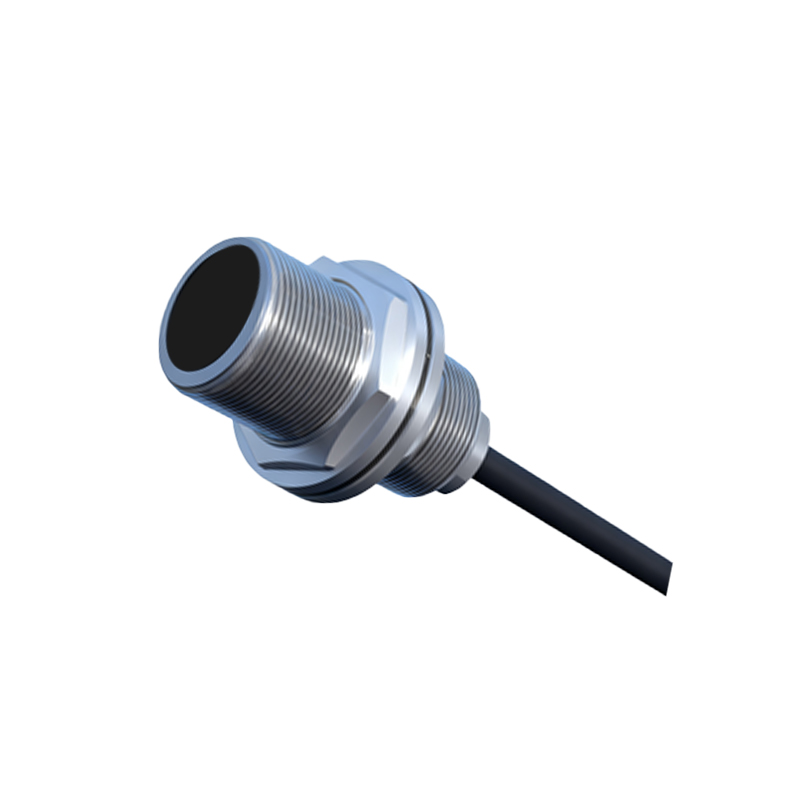
In conclusion, high-tech proximity sensors are fundamental enabling technologies. They operate unseen, translating the physical world into actionable digital data. From the smartphone in your pocket to the automated factory floor and the self-driving car of tomorrow, these components provide the essential sense of "touch at a distance." As technology continues its march towards greater autonomy and interactivity, the role of these precise, reliable, and intelligent sensors will only grow, solidifying their position as the indispensable invisible guardians of our connected world.