In industrial automation and precision measurement systems, laser sensors play a critical role by providing accurate, non-contact detection. However, a common operational issue faced by technicians and engineers is laser sensor blockage. This occurs when the sensor's optical path is obstructed, preventing the laser beam from reaching its target or returning to the receiver. Understanding the causes, implications, and solutions for this problem is essential for maintaining system reliability and minimizing downtime.
The primary cause of laser sensor blockage is the accumulation of contaminants in the sensor's environment. In manufacturing settings, airborne particles such as dust, oil mist, metal shavings, or plastic debris can settle on the sensor's lens or emitter window. Over time, even a thin layer of dirt can scatter or absorb the laser light, significantly reducing signal strength. In outdoor or harsh environments, moisture condensation, ice formation, or mud splashes can completely block the optical path. Another frequent cause is physical obstruction by objects unintentionally placed in front of the sensor, like misplaced tools, packaging materials, or accumulated product residue on conveyor lines.
The consequences of a blocked laser sensor can range from minor inaccuracies to complete system failure. A partially blocked sensor may produce erratic readings, leading to false positives or negatives in detection tasks. This can cause improper sorting, faulty quality control checks, or incorrect positioning in automated machinery. In safety-critical applications, such as in automated guided vehicles (AGVs) or robotic work cells, a blocked safety laser scanner could fail to detect an obstacle, creating a hazardous situation. Ultimately, undetected blockages lead to unplanned stoppages, reduced throughput, and increased maintenance costs.
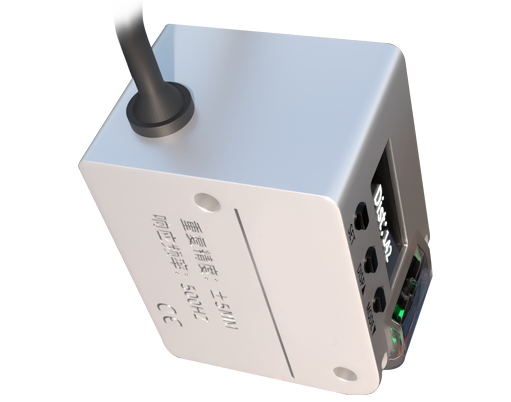
Preventing laser sensor blockage begins with proper sensor selection and installation. Choosing a sensor with an appropriate Ingress Protection (IP) rating for the environment is crucial. For dusty areas, a sensor rated IP65 or higher is recommended to resist dust ingress. For washdown areas in food processing, IP67 or IP69K ratings are necessary. Installing sensors in locations with minimal exposure to direct contamination sources is also wise. Using protective accessories like air purging kits can be highly effective. These systems direct a continuous, clean, dry air stream across the lens, creating positive pressure that keeps contaminants away from the optical surface.
Regular and proactive maintenance is the most effective strategy against blockage. Establishing a scheduled cleaning routine using appropriate materials is vital. The lens should be cleaned with a soft, lint-free cloth and a suitable cleaner, such as isopropyl alcohol, avoiding abrasive materials that could scratch the coating. It is important to follow the manufacturer's guidelines for cleaning to avoid damage. For sensors in extremely dirty environments, installing transparent protective covers or sacrificial windows that can be easily replaced is a practical solution. Additionally, implementing system diagnostics that monitor signal strength or receiver amplitude can provide early warnings of gradual contamination before a complete blockage occurs.

When a blockage does occur, a systematic troubleshooting approach is required. First, perform a visual inspection to identify any obvious obstructions on the lens or in the beam path. Safely power down the equipment if necessary before cleaning. After cleaning, verify the sensor's alignment, as the cleaning process might have inadvertently moved the unit. Test the sensor's functionality with a known good target. If the problem persists, check the sensor's internal diagnostics via its teach-in button or software interface. Some advanced sensors can output a "lens dirty" signal or have built-in algorithms to compensate for minor signal loss. If these steps fail, the issue may be internal, such as a failing emitter or receiver, requiring sensor replacement.

In summary, laser sensor blockage is a pervasive challenge but one that can be managed through informed prevention, consistent maintenance, and methodical troubleshooting. By selecting the right sensor for the environment, utilizing protective measures like air purging, and adhering to a disciplined cleaning schedule, operational efficiency and system uptime can be greatly enhanced. Recognizing the early signs of signal degradation and responding promptly ensures that laser sensors continue to deliver the precision and reliability that modern automated systems depend on.