In the realm of industrial automation, robotics, and smart devices, sensors act as the fundamental sensory organs, providing critical data about the physical world. Among the vast array of sensor types, proximity sensors and rotary sensors stand out for their distinct and vital roles in enabling precise control, safety, and efficiency. Understanding their operating principles, differences, and applications is key to designing effective automated systems.
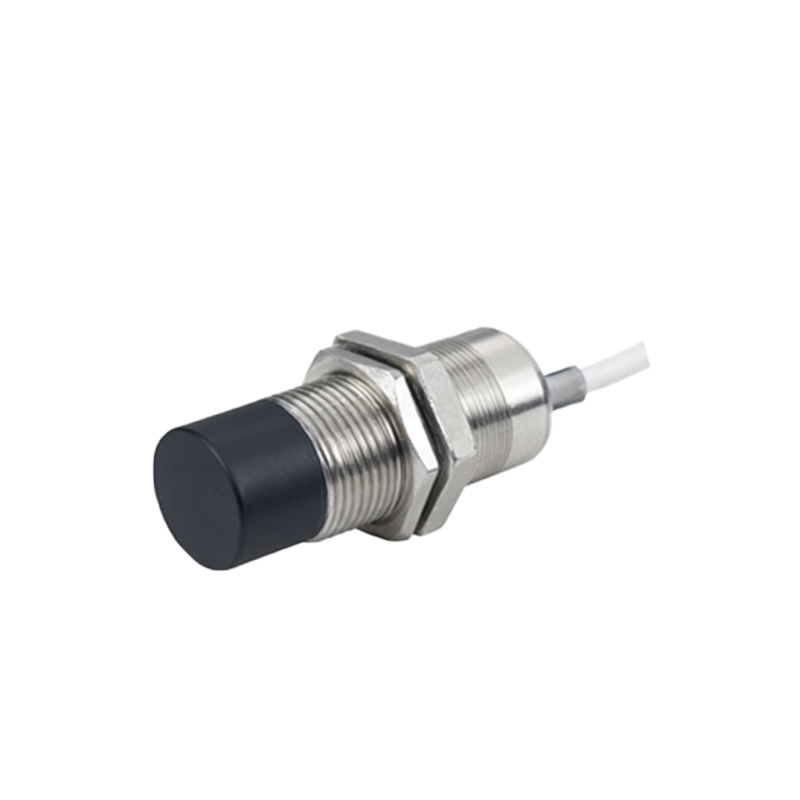
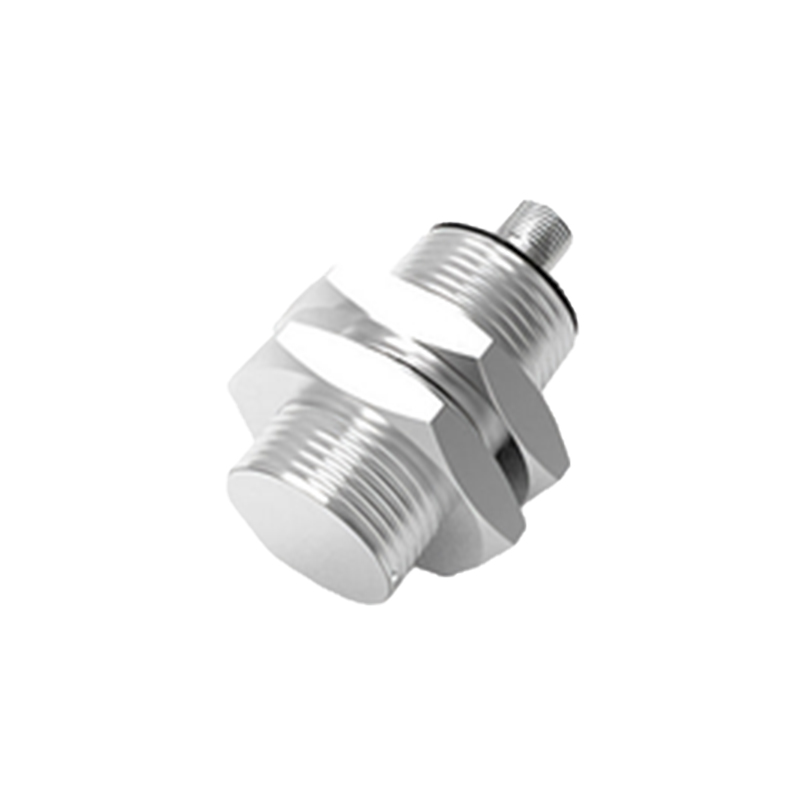
Proximity sensors are non-contact devices designed to detect the presence or absence of an object within a specific range without any physical contact. They achieve this by emitting a field or beam of electromagnetic radiation, such as infrared light, ultrasonic sound waves, or a magnetic field, and then analyzing the changes in the return signal. The primary advantage of this non-contact operation is the elimination of wear and tear, allowing for high reliability and long service life even in harsh environments with dust, moisture, or vibrations. Common types include inductive sensors (for detecting metallic objects), capacitive sensors (for detecting both metallic and non-metallic objects like liquids or plastics), and photoelectric sensors (using light beams). You'll find proximity sensors performing crucial tasks like object counting on conveyor belts, determining the end position of a robotic arm, ensuring machine guards are in place for operator safety, and enabling touchless faucets or automatic doors.
On the other hand, rotary sensors, often referred to as rotary encoders or angle sensors, are specifically engineered to measure angular position, speed, and direction of rotation of a shaft or axle. They convert the mechanical motion of rotation into an electrical signal that can be interpreted by a controller. There are two main categories: absolute encoders, which provide a unique digital code for each shaft position, giving the exact angle even after a power loss, and incremental encoders, which output pulses as the shaft rotates, requiring a reference point to calculate position relative to a starting point. Rotary sensors are the cornerstone of motion control. They provide the essential feedback in servo motors, allowing robotic joints to move to precise angles. They measure the speed of conveyor rollers, control the steering angle in automotive applications, and are integral to the functionality of CNC machines, ensuring cutting tools follow exact paths.
While both sensor families are indispensable, they address different physical parameters. A proximity sensor answers a binary question: "Is an object present within this defined zone?" Its output is typically a simple on/off signal. A rotary sensor answers a continuous, quantitative question: "What is the exact angular position, and how fast is it changing?" Its output is a stream of positional data or pulses. The choice between them, or their use in conjunction, is dictated by the application's requirements. For instance, in a packaging machine, a proximity sensor might detect when a box is in position for labeling, while a rotary encoder on the drive motor ensures the conveyor belt moves at the exact speed required for the label applicator to function correctly.
The integration of these sensors forms the backbone of modern mechatronic systems. In an automated assembly line, proximity sensors ensure components are correctly positioned before a robotic arm, guided by rotary sensors in its joints, picks them up and assembles them with high precision. In consumer electronics, a proximity sensor in a smartphone turns off the display during a call to save power and prevent accidental touches, while rotary encoders (often implemented as digital potentiometers) might control volume.
Selecting the right sensor involves careful consideration of several factors. For proximity sensors, key specifications include sensing distance, target material, output type (PNP/NPN), and environmental robustness. For rotary sensors, resolution (pulses per revolution), accuracy, interface type (e.g., analog voltage, digital protocols like SSI or Ethernet/IP), and mechanical mounting are paramount. Adherence to industry standards for electrical noise immunity, temperature ranges, and ingress protection (IP ratings) is crucial for reliable operation in industrial settings.
In conclusion, proximity sensors and rotary sensors, though functionally different, are complementary technologies that drive automation forward. Proximity sensors provide the essential awareness of object presence for safety, sequencing, and detection. Rotary sensors deliver the precise motion feedback necessary for controlled movement and positioning. Together, they enable machines to interact intelligently and accurately with their environment, from heavy industrial manufacturing to delicate laboratory equipment and everyday smart appliances. Their continued evolution towards miniaturization, higher precision, and smarter integrated diagnostics will further expand their role in the increasingly automated world.