Proximity switch square sensors are essential components in modern industrial automation, offering reliable non-contact detection for various applications. These sensors utilize electromagnetic fields, infrared light, or ultrasonic waves to detect the presence or absence of objects without physical contact. The square design provides a robust and versatile form factor, making them suitable for integration into machinery, conveyor systems, and safety installations.
One of the primary advantages of square proximity sensors is their durability. Housed in sturdy materials like nickel-plated brass or stainless steel, they withstand harsh industrial environments, including exposure to dust, moisture, and temperature fluctuations. This resilience ensures consistent performance in manufacturing plants, packaging lines, and automotive assembly areas.
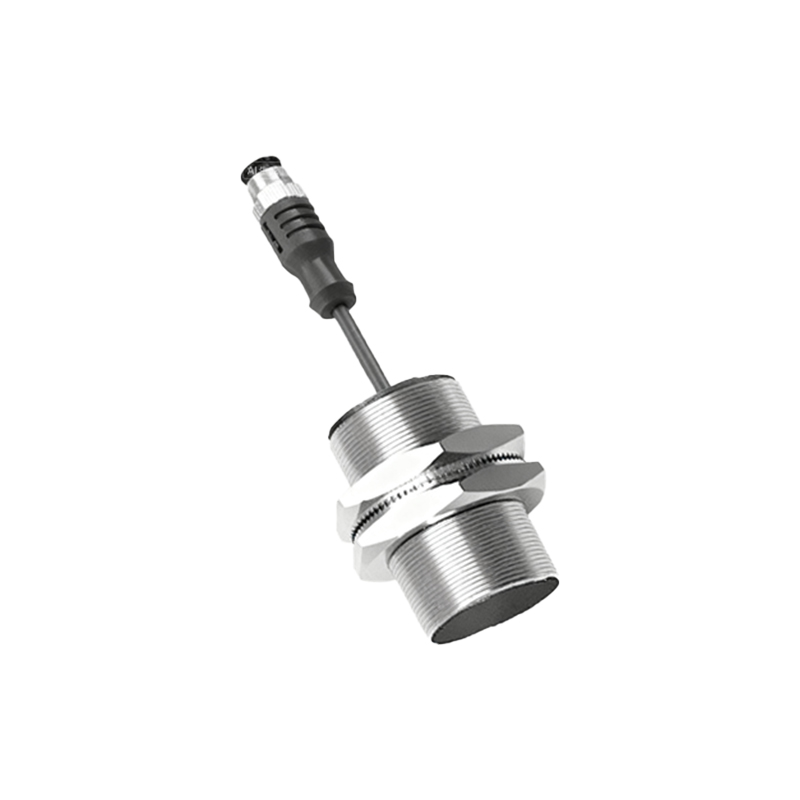
Square proximity sensors operate on different principles. Inductive sensors detect metallic objects by generating an electromagnetic field. When a metal target enters this field, it causes a change in oscillation, triggering the sensor output. Capacitive sensors, on the other hand, can detect both metallic and non-metallic materials by measuring changes in capacitance. Photoelectric square sensors use light beams to identify objects, offering longer detection ranges.
Installation and alignment are straightforward with square sensors due to their uniform shape. Many models feature built-in LEDs for status indication, simplifying setup and troubleshooting. Output options include NPN, PNP, analog, and IO-Link configurations, allowing compatibility with various control systems like PLCs.
Key applications include position sensing in robotics, object counting on production lines, and safety interlocking in machinery. For instance, in automated storage systems, these sensors verify the presence of pallets, while in printing machines, they monitor paper flow to prevent jams.
When selecting a square proximity sensor, consider factors such as sensing range, response time, and environmental ratings. Models with IP67 or higher protection are ideal for washdown areas in food processing. Regular maintenance involves checking for debris accumulation and verifying electrical connections to ensure longevity.
Advancements in sensor technology have led to miniaturized square designs with enhanced sensitivity and smart features like self-diagnostics. These innovations contribute to improved efficiency and reduced downtime in industrial operations.
In summary, proximity switch square sensors are indispensable for automation, providing accurate, non-contact detection in a compact and durable form. Their adaptability across industries underscores their importance in enhancing productivity and safety.