Air quality monitoring has become a critical concern in modern society, with particulate matter (PM) posing significant health risks. At the forefront of this technological battle are dust sensors and laser sensors, two pivotal devices that have revolutionized how we detect and measure airborne contaminants. While often mentioned together, they represent distinct yet complementary technologies in the field of environmental sensing.
Dust sensors, in a broad sense, are devices designed to detect and quantify the concentration of particulate matter in the air. These particles can range from visible dust and pollen to microscopic PM2.5 and PM10 particles that penetrate deep into the lungs. Traditional dust sensing methods included gravimetric analysis and light scattering techniques using LED light sources. These sensors work by drawing in an air sample and measuring how the particles within it scatter a beam of light. The amount of scattered light is then correlated to the particle concentration. While cost-effective and useful for larger particles, these traditional methods often lacked the precision and sensitivity required for detecting the smallest, most harmful particulates.
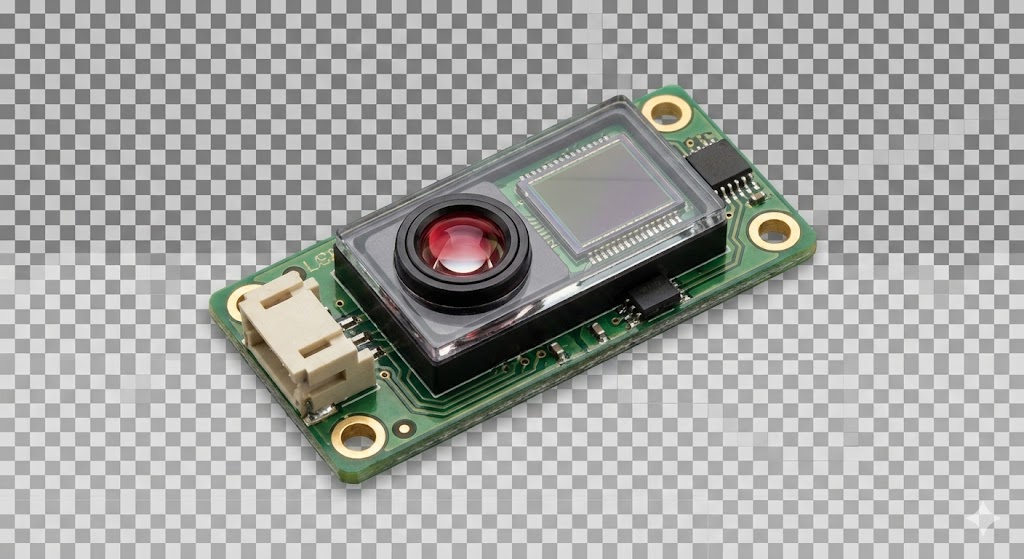
This is where laser-based dust sensors mark a monumental leap forward. A laser dust sensor employs a focused laser diode as its light source instead of a standard LED. This laser beam is coherent, monochromatic, and highly concentrated, allowing for far greater precision. The core principle remains light scattering, but the laser's properties enable the detection of much smaller particles—down to 0.1 microns or even less. The process is sophisticated: a fan draws ambient air into a detection chamber where it is illuminated by the laser. A photodetector, positioned at a specific angle (often 90 degrees), measures the intensity of the light scattered by the passing particles. Sophisticated algorithms then analyze this signal, classifying particles by size based on the scattering pattern and calculating real-time mass concentration readings for PM1.0, PM2.5, and PM10.
The advantages of laser sensors over their LED-based predecessors are substantial. Their sensitivity and accuracy are superior, providing reliable data even at low concentration levels. They offer faster response times, delivering near-instantaneous readings crucial for dynamic environments. Furthermore, their ability to differentiate particle sizes is a key feature for health-related assessments, as particle size directly correlates to health impact. This high performance, however, comes with considerations. Laser sensors are generally more expensive to manufacture due to the precise optical components required. They may also be more sensitive to environmental factors like high humidity, which can cause condensation on the optics, though advanced models incorporate heating elements and algorithms to compensate for this.
The applications of these sensors are vast and growing. In consumer electronics, they are integrated into smart air purifiers, providing automatic feedback loops to adjust filtration speed based on real-time air quality. Modern thermostats and air quality monitors for homes and offices rely on them to give users actionable data. In the industrial sector, they are essential for workplace safety, monitoring dust levels in factories, construction sites, and mines to ensure compliance with occupational exposure limits. They are also deployed in urban environmental monitoring stations, providing the data that informs public health advisories and environmental policies. The rise of the Internet of Things (IoT) has further propelled their use, with networked sensors creating detailed, real-time maps of air pollution across cities.

When selecting a sensor for a specific application, several factors must be weighed. Required accuracy and detection range are paramount; a industrial safety application demands higher precision than a basic consumer indicator. Size and power consumption are critical for battery-operated or portable devices. Long-term stability and maintenance requirements, such as the need for periodic cleaning or calibration, affect total cost of ownership. Finally, output data interface and the availability of supporting software development kits (SDKs) can significantly ease integration into a final product.
Looking ahead, the future of particulate sensing is intelligent and integrated. The next generation of sensors is moving towards sensor fusion, combining laser particle counting with modules for detecting volatile organic compounds (VOCs), carbon dioxide, temperature, and humidity to provide a complete air quality profile. On-chip signal processing and the incorporation of artificial intelligence for data analysis are reducing the need for external processors and enabling predictive maintenance and more nuanced pollution source identification. Furthermore, miniaturization efforts continue, aiming to pack laboratory-grade accuracy into ever-smaller form factors for wearable technology and ubiquitous environmental sensing.
In conclusion, laser-based dust sensors represent the current gold standard in particulate matter detection, offering the precision necessary for meaningful air quality assessment. From safeguarding public health to enabling smart automation and industrial compliance, these technologies are indispensable tools in our ongoing effort to understand and improve the air we breathe. As innovation continues, we can expect these sensors to become even more accurate, affordable, and seamlessly integrated into the fabric of our daily lives and infrastructure.