In the realm of industrial automation, the demand for accuracy, reliability, and safety is paramount. Among the myriad of components that ensure seamless operations, proximity sensors play a critical role. A significant advancement in this field is the deployment of double proximity sensors, a configuration designed to elevate system performance to new heights. This article delves into the principles, applications, and distinct advantages of using dual-sensor setups.
At its core, a proximity sensor is a non-contact device that detects the presence or absence of an object within its sensing range. Common types include inductive, capacitive, and photoelectric sensors. They are ubiquitous in manufacturing lines, robotic arms, and safety systems. However, single-sensor systems, while effective, can be susceptible to false triggers, sensor failure, or environmental interference. This is where the concept of redundancy and verification through double proximity sensors becomes invaluable.
A double proximity sensor system typically involves two identical or complementary sensors positioned to monitor the same target or process step. This configuration is not merely about having a backup; it is a sophisticated approach to data validation and system integrity. The two primary operational modes are redundancy and differential sensing. In redundant mode, both sensors perform the same detection task. The control logic requires both sensors to agree on the state (e.g., "object present") before initiating an action. This drastically reduces the chance of errors caused by a single malfunctioning sensor. In differential or complementary mode, the sensors might be set to detect different parameters or thresholds, providing a more nuanced understanding of the target's position, speed, or orientation.
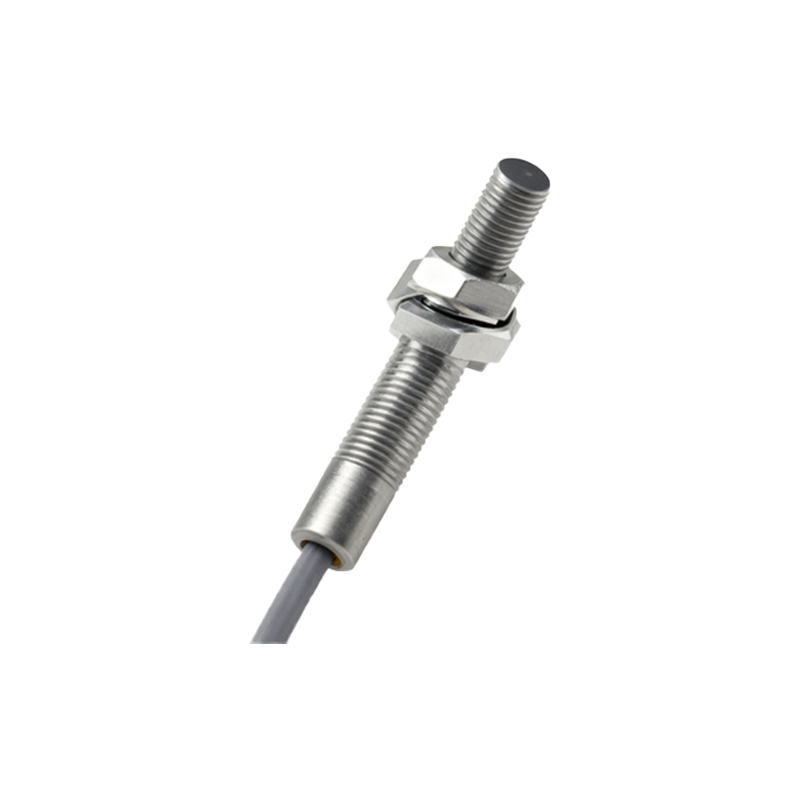
The benefits of implementing double proximity sensors are substantial. First and foremost is enhanced reliability and safety. In critical applications such as press brakes, automated guided vehicles (AGVs), or elevator door systems, a single point of failure is unacceptable. Dual sensors create a fail-safe mechanism. If one sensor fails or provides an anomalous reading, the system can be programmed to enter a safe state, halt operation, or trigger an alarm, preventing potential damage or injury. This is often a requirement in safety-rated systems per standards like ISO 13849.
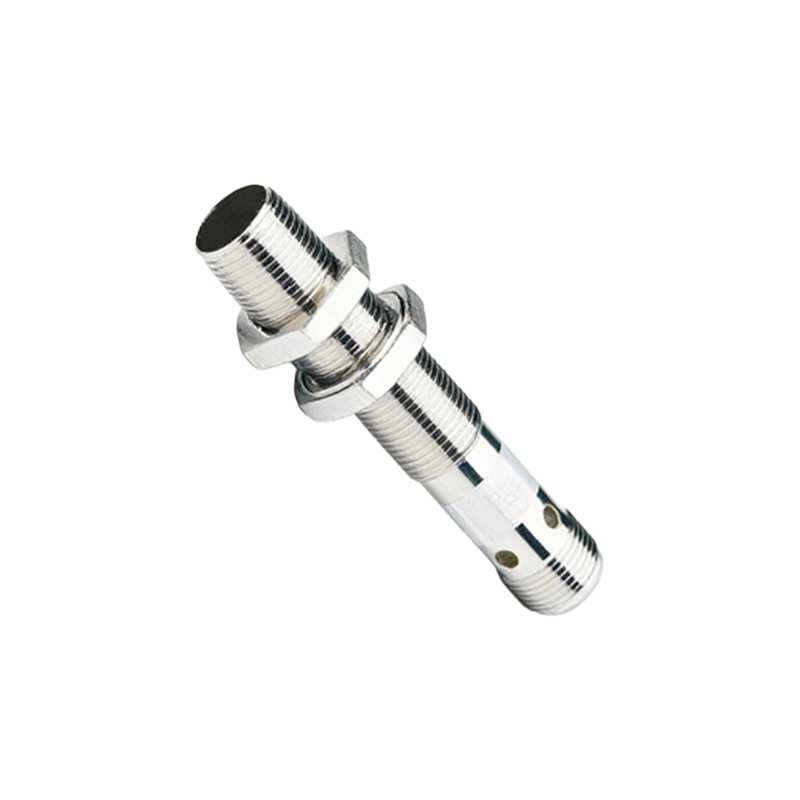
Secondly, double sensors significantly improve precision and accuracy. By using two sensors, it is possible to perform tasks like edge detection, precise positioning, or width measurement with higher fidelity. For instance, in a packaging machine, two sensors can precisely determine the leading and trailing edges of a box, ensuring accurate labeling or sealing. The combined data allows for tighter process control and reduces material waste.
Thirdly, this setup increases system availability and reduces downtime. In a redundant configuration, the system can often continue operating even if one sensor fails, albeit possibly in a degraded mode, allowing for scheduled maintenance instead of an emergency stop. This predictive maintenance aspect is crucial for maximizing overall equipment effectiveness (OEE).
Applications for double proximity sensors are diverse. They are found in:
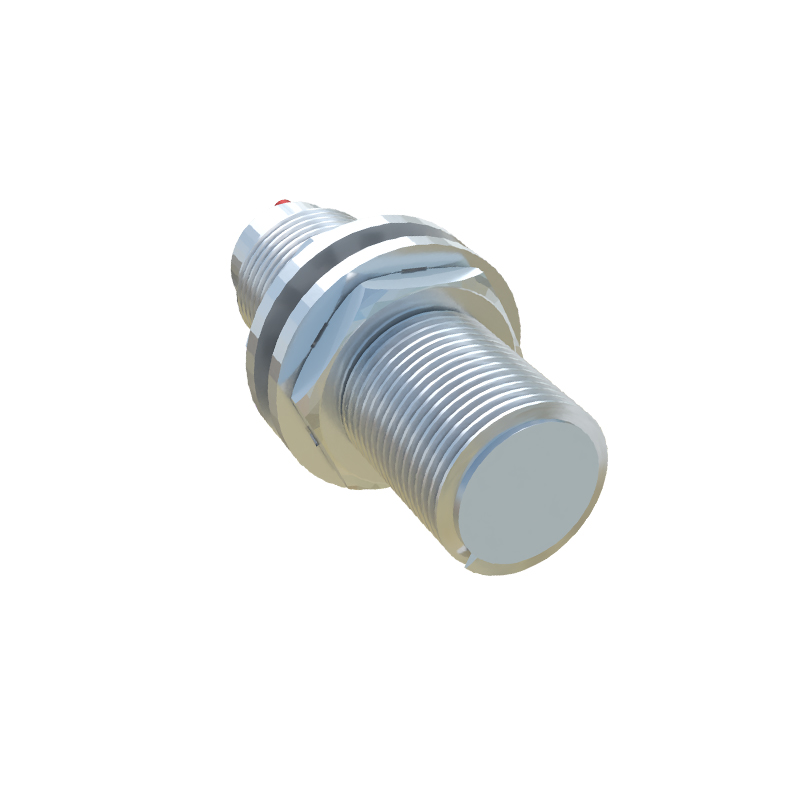
Material Handling: Verifying the correct positioning of pallets or containers before robotic pickup.
Metalworking: Ensuring a metal sheet is correctly aligned in a stamping press using two inductive sensors.
Assembly Lines: Confirming that a component is fully seated in a fixture before a welding or fastening operation.
Safety Curtains: Creating redundant light grids for personnel protection around hazardous machinery.
When integrating double proximity sensors, careful consideration must be given to their placement, alignment, and wiring. Sensors should be mounted securely to avoid vibration-induced misalignment. The control system's programming must correctly interpret the signals from both sensors, implementing logic functions like AND, OR, or more complex sequences. Proper shielding and separation are also necessary to prevent the sensors from interfering with each other, especially in the case of inductive sensors.
In conclusion, the adoption of double proximity sensors represents a smart investment in robust industrial automation. Moving beyond the limitations of single-sensor systems, this approach delivers unparalleled reliability, precision, and safety. As industries continue to pursue higher efficiency and zero-defect production, the role of verified, redundant sensing will only grow in importance. By leveraging the dual-sensor strategy, engineers and system integrators can build more resilient and intelligent automated systems capable of meeting the rigorous demands of modern manufacturing.