In the rapidly evolving landscape of smart technology, the humble act of charging a device is undergoing a silent revolution. At the heart of this transformation lies a sophisticated component: the charging proximity sensor. This technology is moving beyond simple power delivery, becoming a critical interface for intelligent, context-aware interaction between users and their devices.
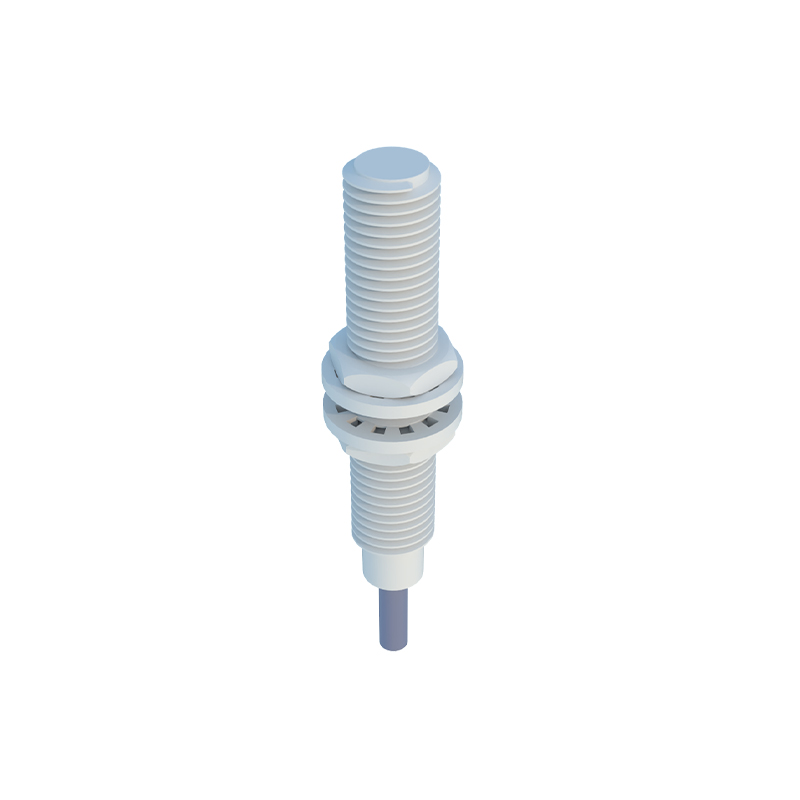
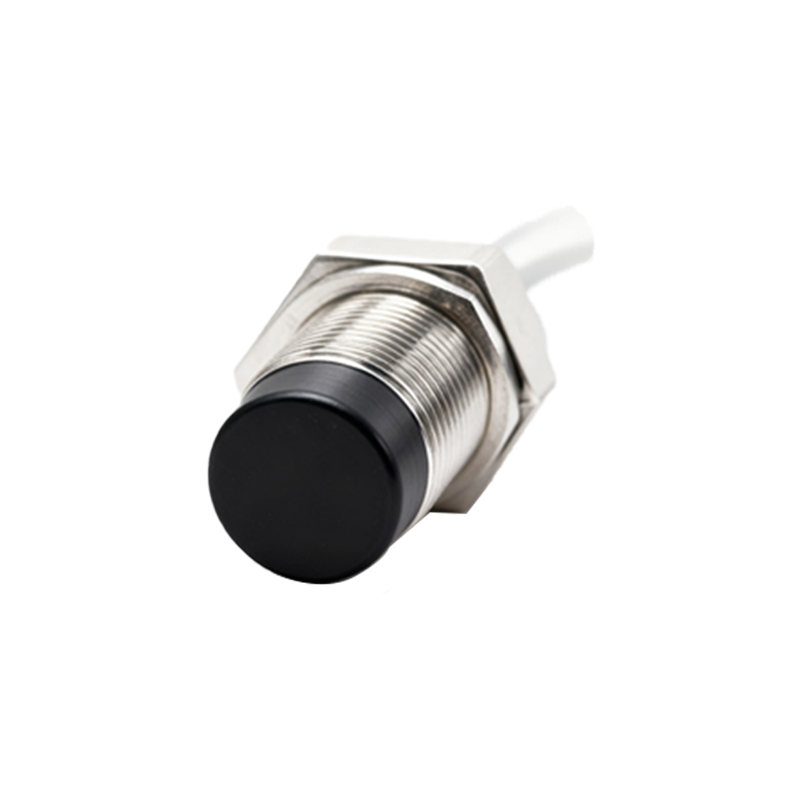
A charging proximity sensor is a specialized type of sensor integrated into or near a device's charging port or wireless charging coil. Its primary function is to detect the presence, alignment, and sometimes the type of a charging accessory or another device before, during, and after the physical connection is made. Unlike basic mechanical connectors that only register a physical plug-in, these sensors use non-contact methods—typically based on capacitive, inductive, or infrared principles—to sense an object in close vicinity.
The applications are both practical and transformative. In the realm of wireless charging, proximity sensors solve the perennial problem of alignment. A charging pad equipped with this technology can detect the precise placement of a smartphone or earbuds case. It can then guide the user via LED indicators or on-screen prompts to shift the device slightly for optimal coil alignment, ensuring maximum charging efficiency and speed. This eliminates the frustrating "guesswork" often associated with placing a device on a Qi pad.
For wired charging, the benefits are equally significant. Modern ports, like USB-C, can be fragile. A proximity sensor can detect the approach of a connector and prepare the port's internal mechanisms, potentially reducing mechanical wear. More importantly, it enables advanced safety features. The sensor can distinguish between a finger, dust, lint, and an actual connector. This allows the device to keep power pins completely de-energized until a valid charger is confirmed, drastically reducing the risk of short circuits caused by conductive debris or liquid exposure—a common cause of port damage.
The intelligence extends beyond the connection moment. These sensors facilitate new user experience paradigms. Imagine placing your phone on a charging dock. A proximity sensor detects the secure placement and can automatically trigger predefined actions: launching a smart home dashboard, enabling a bedside clock mode, or muting notifications for the night. In automotive settings, simply moving a phone near a wireless charging cradle in the car could initiate not only charging but also automatically connect to CarPlay or Android Auto, streamlining the driver's experience.
From a power management perspective, charging proximity sensors contribute to energy conservation. A smart charger can remain in a near-zero power standby state until a sensor detects an approaching device, only then activating its full circuitry. This "on-demand" activation reduces vampire power drain, aligning with global efforts towards energy efficiency.
The technology also paves the way for more seamless ecosystems. Future iterations could allow devices to identify each other. For instance, a laptop could sense a specific smartphone model placed near its side, initiating not just charging but also a high-speed data sync or a hotspot connection, all without user configuration. This level of automated, contextual interaction is a cornerstone of the ambient computing vision.
However, the integration of charging proximity sensors is not without challenges. It adds complexity and cost to device manufacturing. Sensor calibration is crucial to avoid false positives (triggering by unintended objects) or false negatives (failing to detect a valid charger). Designers must also carefully consider the sensor's placement to ensure it functions reliably without being obstructed by cases or skins, which are ubiquitous among users.
Despite these hurdles, the trajectory is clear. As consumers demand more intuitive, durable, and safe devices, the integration of intelligence into fundamental processes like charging becomes imperative. Charging proximity sensors represent a move from passive power ports to active communication gateways. They transform charging from a mundane task into an opportunity for secure, efficient, and contextually rich interaction.
In conclusion, charging proximity sensors are far more than a technical novelty. They are an enabling technology for the next generation of smart devices. By bridging the physical act of connection with digital intelligence, they enhance safety, improve efficiency, and unlock new, convenient functionalities. As this technology matures and becomes more cost-effective, we can expect it to become a standard feature, making our interactions with technology smoother, safer, and more integrated into the flow of daily life. The future of charging is not just about faster watts; it's about smarter connections.