Laser sensor electrical technology represents a cornerstone of modern industrial automation, measurement, and control systems. At its core, this technology utilizes the precise properties of laser light—coherence, monochromaticity, and directionality—to detect, measure, and analyze objects or environmental conditions, with the electrical subsystem serving as the critical interface for power, signal processing, and data communication. The fundamental operation involves a laser diode emitting a focused beam of light. When this beam strikes a target, its properties are altered—it may be reflected, scattered, or modulated. A photodetector, such as a photodiode or a position-sensitive device (PSD), then converts this altered light signal into a minute electrical current.
The true sophistication lies in the subsequent electrical signal conditioning. This weak analog signal is amplified, filtered, and often converted into a digital format by an analog-to-digital converter (ADC). Microcontrollers or dedicated signal processors analyze this digital data to calculate parameters such as distance, displacement, thickness, or presence with remarkable accuracy and speed. The electrical design must account for noise immunity, thermal stability, and power efficiency to ensure reliable performance in demanding environments. Key electrical components include low-noise amplifiers, precision voltage regulators, and robust communication interfaces like IO-Link, Ethernet/IP, or RS-485, which transmit the processed data to higher-level control systems such as PLCs.
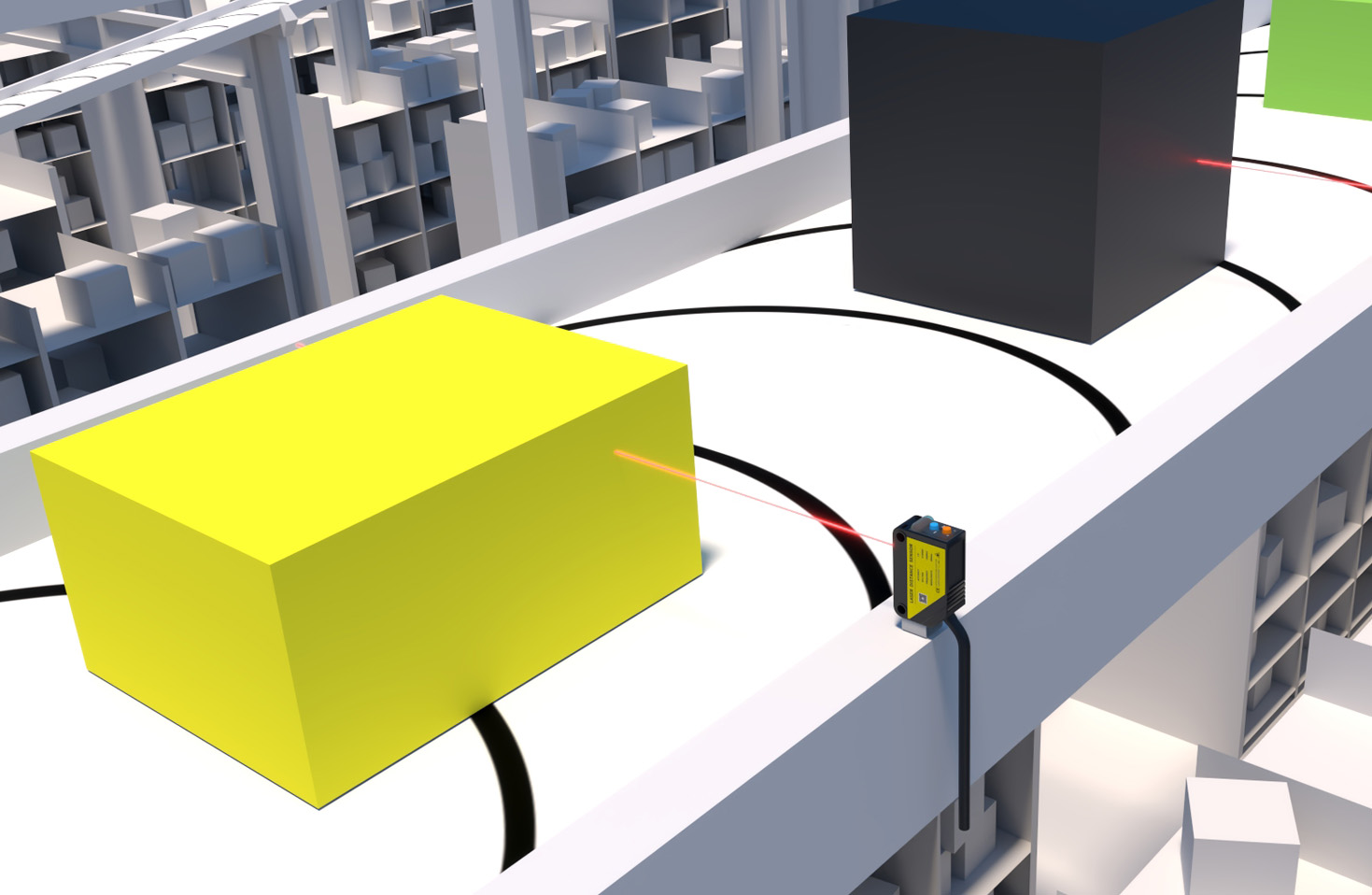
Applications of laser sensor electrical systems are vast and transformative. In manufacturing, they enable non-contact measurement for quality control, robot guidance for precise picking and placing, and inspection of minute components on electronic circuit boards. The automotive industry relies on them for assembly line automation, paint thickness measurement, and collision avoidance system development. Beyond the factory floor, they are integral to level sensing in silos, speed and length measurement in paper and steel mills, and even in consumer electronics for features like autofocus and gesture recognition. The integration of these sensors into the Industrial Internet of Things (IIoT) is a significant trend, where their electrical outputs feed into networked systems for predictive maintenance and data analytics.
Selecting and implementing a laser sensor requires careful electrical consideration. Factors such as sensing range, required resolution (often down to micron levels), response time, and the target's surface properties (color, reflectivity) directly influence the electrical design needs. The operating environment is equally critical; sensors deployed in areas with high ambient light, dust, vibration, or extreme temperatures necessitate specialized electrical protection and housing. Proper electrical installation, including correct wiring, grounding, and shielding, is paramount to prevent electromagnetic interference (EMI) from corrupting the sensitive measurement signals. Furthermore, compliance with international electrical safety and laser classification standards (e.g., IEC 60825) is non-negotiable for operator safety.
The future of laser sensor electrical technology is geared towards greater intelligence, miniaturization, and integration. Developments include sensors with embedded edge computing capabilities, reducing the load on central controllers. Advances in vertical-cavity surface-emitting laser (VCSEL) arrays and more efficient photodetector designs are leading to smaller, more power-efficient units. The convergence of laser sensing with artificial intelligence for complex pattern recognition and adaptive control is opening new frontiers. Ultimately, the seamless marriage of optical precision and robust electrical engineering continues to push the boundaries of what is measurable and controllable, driving efficiency and innovation across countless sectors.
